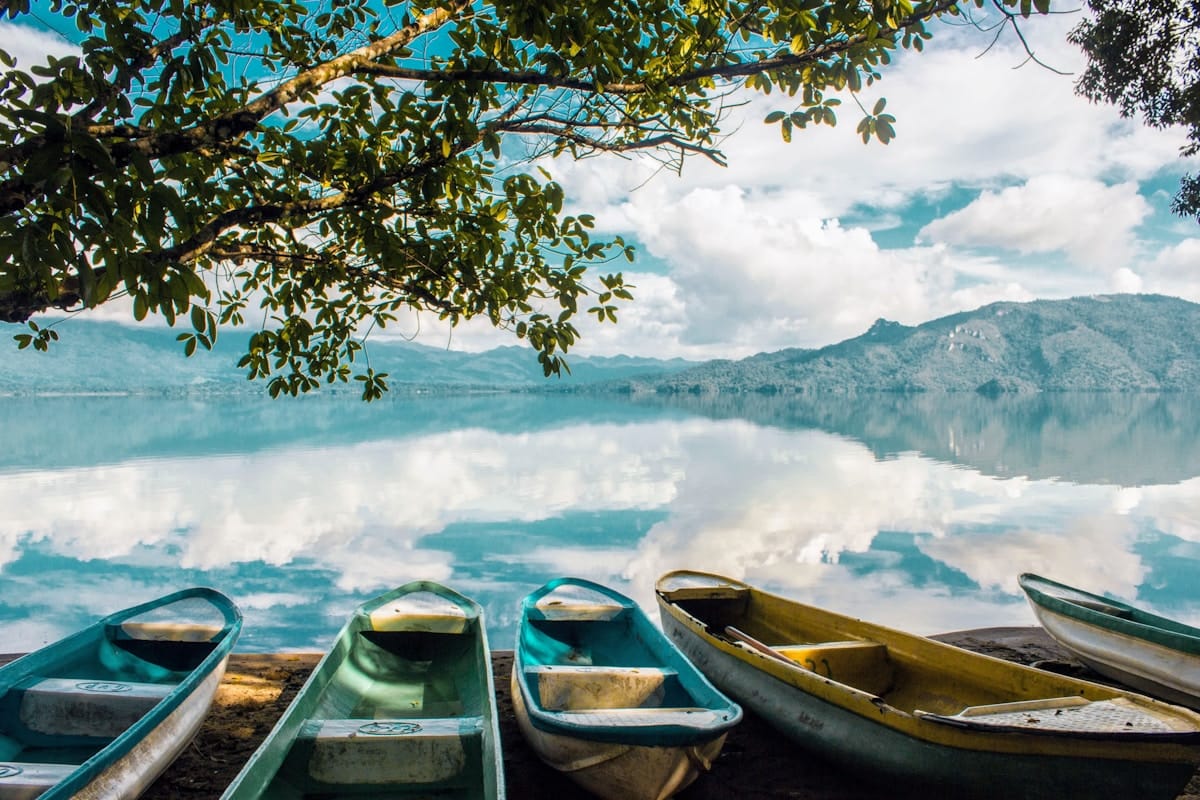
Pátzcuaro’s main draw is the Día de Muertos season, but outside of late October and early November the town offers a genuinely peaceful base for exploring the lake, the Purépecha archaeological sites, and Michoacán’s craft villages. The combination of colonial architecture, indigenous culture, a working lake ecosystem, and exceptional food makes it one of the most rewarding small towns in Mexico.
Top Tours at a Glance
Here’s a quick comparison of top-rated guided tours on GetYourGuide:
| Tour | Duration | Price (from) | Group Size | Highlights |
|---|---|---|---|---|
| Janitzio Island Boat Trip from Pátzcuaro | 3–4 hrs | from $35/person | Group | Purépecha island, monument to Morelos, fishing village |
| Día de Muertos Cemetery Night Tour — Tzintzuntzan | 3 hrs (evening) | from $55/person | Small group | Oct 31–Nov 2, candlelit cemetery, indigenous ritual |
| Uruapan + Paricutín Volcano Day Trip | Full day | from $90/person | Small group | Cinder cone, lava-buried San Juan village, horse trek |
| Michoacán Crafts Village Tour — Santa Clara + Tzintzuntzan | Half day | from $45/person | Group | Copper work, lacquerware, traditional Purépecha markets |
Browse all Pátzcuaro tours → GetYourGuide
Activity overview
| Activity | Cost | Duration | Notes |
|---|---|---|---|
| Janitzio island boat | ~MXN $50–80 return | 2–3 hours | 30 min from Muelle General |
| Plaza Vasco de Quiroga | Free | 1 hour | One of Mexico’s largest plazas, crafts |
| Casa de los Once Patios | Free (craft shops inside) | 1 hour | Former convent, lacquerware, textiles |
| Basílica de la Salud | Free | 30 min | Virgin in corn-paste technique |
| Museo de Artes Populares | ~MXN $50 | 45 min | Purépecha craft traditions |
| Tzintzuntzan yácatas | ~MXN $75 | 2 hours | Purépecha pyramids, 15 km away |
| Santa Clara del Cobre | Free to browse | 2 hours | Copper workshops, 30 km away |
| Lake multi-island tour | ~MXN $200–400 | 3–4 hours | Yunuen, Pacanda, Tecuén |
| Día de Muertos vigil | Free (boat ~MXN $50–80) | All night | Oct 31–Nov 2, book far ahead |
All prices approximate, as of 2026.
Janitzio island
The most visited of Lake Pátzcuaro’s islands, sitting in the middle of the lake. Boats depart regularly from the Muelle General dock (approximately MXN $50–80 return, 30-minute crossing). The island is steep - a series of narrow streets climbing to the summit, dominated by a 40 m statue of José María Morelos (the independence hero, born in nearby Morelia). The inside of the statue has murals and a viewpoint at the top.
The streets are lined with restaurants and stalls serving the island’s speciality: pescado blanco (whitefish from the lake, fried whole, approximately MXN $100–150) alongside uchepos and other Michoacán dishes. The food is tourist-priced but the setting - eating fried fish with lake views - is the experience.
The traditional butterfly fishing nets (mariposa nets) are iconic images of Pátzcuaro. Commercial use has largely ceased due to declining fish stocks, but fishermen demonstrate the technique for visitors - particularly photogenic at dawn.
Día de Muertos on Janitzio: On the night of November 1–2, families gather at the hilltop cemetery with marigold offerings, candles, and food for the deceased. The vigil runs through the night. The candlelit cemetery overlooking the dark lake is one of the most atmospheric sights in Mexico. Boats run late into the night; most tour operators offer guided visits, though arriving independently is straightforward. Photography note: Ask before photographing families at gravesites. Flash photography disrupts the atmosphere and is discouraged.
Other lake islands
Beyond Janitzio, the lake has several smaller islands with communities:
Yunuen - small, quiet, and less visited than Janitzio. Has basic cabañas for overnight stays (from approximately MXN $400/night), offering a rare chance to sleep on the lake. The community runs ecotourism initiatives.
Pacanda - a larger island with agriculture and a church. Less tourist infrastructure but a more authentic lake experience.
Tecuén - the smallest of the accessible islands.
Negotiate a custom boat tour at the dock for a multi-island circuit (approximately MXN $200–400 for the boat). Full-lake tours take 3–4 hours.
The town
Plaza Vasco de Quiroga - one of the largest town squares in Mexico, named for the 16th-century bishop who organised the indigenous communities of the lake region into specialised craft villages (each village producing a different product - an economic system that partially survives today). The plaza is ringed by colonial buildings, craft stalls, and restaurants. The atmosphere is unhurried, particularly on weekday mornings.
Casa de los Once Patios (House of the Eleven Courtyards) - a converted Dominican convent now housing craft workshops. The courtyards contain working artisans producing and selling lacquerware (Pátzcuaro’s signature craft - trays, boxes, and plates decorated with elaborate painted designs), woven textiles, and copper work. Watching artisans work and buying directly is the best way to acquire Michoacán crafts.
Museo de Artes e Industrias Populares (approximately MXN $50, Tuesday–Sunday) - documents Purépecha craft traditions including lacquerware, featherwork (an ancient technique using hummingbird feathers), pottery, masks, and ceremonial objects. Well-curated and informative.
Basílica de Nuestra Señora de la Salud - on a hill above the plaza, this church houses a statue of the Virgin made from pasta de caña (a corn-paste technique unique to Michoacán - lighter than wood, allowing for delicate detail). The church is an active pilgrimage site; the December 8 Fiesta de la Virgen de la Salud draws crowds from across the state.
Tzintzuntzan
The old capital of the Purépecha empire, 15 km north of Pátzcuaro. Five ceremonial yácatas (stepped pyramids in a circular-rectangular hybrid form unique to the Purépecha) sit on a hilltop platform overlooking Lake Pátzcuaro. The site was the political and religious centre of the Purépecha state, which resisted Aztec expansion and was never conquered by Tenochtitlan.
Entry approximately MXN $75. Allow 1–2 hours for the archaeological zone and the adjacent 16th-century Franciscan convent (free) with its notable atrium and ancient olive trees. The village below produces pottery and straw crafts. Reachable by colectivo from Pátzcuaro (approximately MXN $15, 20 minutes).
Santa Clara del Cobre
30 km south of Pátzcuaro (45 minutes by colectivo, approximately MXN $25). The copper-working town produces hand-hammered copper objects - bowls, plates, vases, and decorative pieces - in workshops lining the main street. The technique is pre-Hispanic, refined through centuries of continuous practice. Watching the coppersmiths heat and hammer on their anvils is the attraction. Prices are lower than in Pátzcuaro’s craft shops. A small Museo del Cobre (approximately MXN $30) documents the history.
Food
Michoacán cuisine at its most traditional:
| Dish | Where to find | Approx. price |
|---|---|---|
| Pescado blanco (lake whitefish, fried) | Janitzio restaurants, lakeside | MXN $100–150 |
| Uchepos (sweet corn tamales) | Market, fondas | MXN $30–50 each |
| Corundas (triangle tamales) | Market, breakfast spots | MXN $25–40 each |
| Carnitas | Saturday morning market | MXN $80–150/quarter kilo |
| Sopa tarasca | El Primer Piso, traditional restaurants | MXN $60–80 |
El Primer Piso (upstairs on the plaza, mains approximately MXN $100–180) has good regional food with plaza views. The market off the main plaza has the cheapest and most authentic options. On Janitzio, the restaurants serve pescado blanco but at tourist prices.
Practical tips
- From Morelia: 45 minutes by colectivo (approximately MXN $60, frequent departures from Morelia’s bus terminal)
- Getting around Pátzcuaro: The town is small and walkable. Taxis to the dock (approximately MXN $25) and to surrounding villages
- Climate: Cool at 2,140 m. Cold at night - bring a jacket. Rain May–October
- Best as: A day trip from Morelia, or a 1–2 night stay for a slower pace
Plan your trip: tours in Pátzcuaro · travel insurance.
More Pátzcuaro Guides
- Back to Pátzcuaro Guide
- Morelia Travel Guide - 45 minutes northeast, the Michoacán state capital
- Monarch Butterfly Migration - another Michoacán natural spectacle, accessible from Morelia
- Day of the Dead in Mexico - national context for the Día de Muertos ceremony
Search hotels in Pátzcuaro on Booking.com
- 2 Weeks in Mexico - itinerary options connecting Pátzcuaro with Mexico City and Oaxaca