History & Ruins
Chichén Itzá: Guide to the Most Visited Maya Site in Mexico
Guide to Chichén Itzá: El Castillo pyramid, the Great Ball Court, Temple of Warriors, and how to visit without the worst of the crowds.
History & Ruins
Mexico has one of the world's richest archaeological and colonial heritages. The Maya built cities in the Yucatán jungle, the Aztecs constructed Tenochtitlán on an island in a mountain lake, and the Zapotecs carved Monte Albán into a hilltop overlooking Oaxaca: all before European contact. The Spanish colonial period that followed produced a second layer of extraordinary architecture, now preserved in seven UNESCO World Heritage historic city centres.
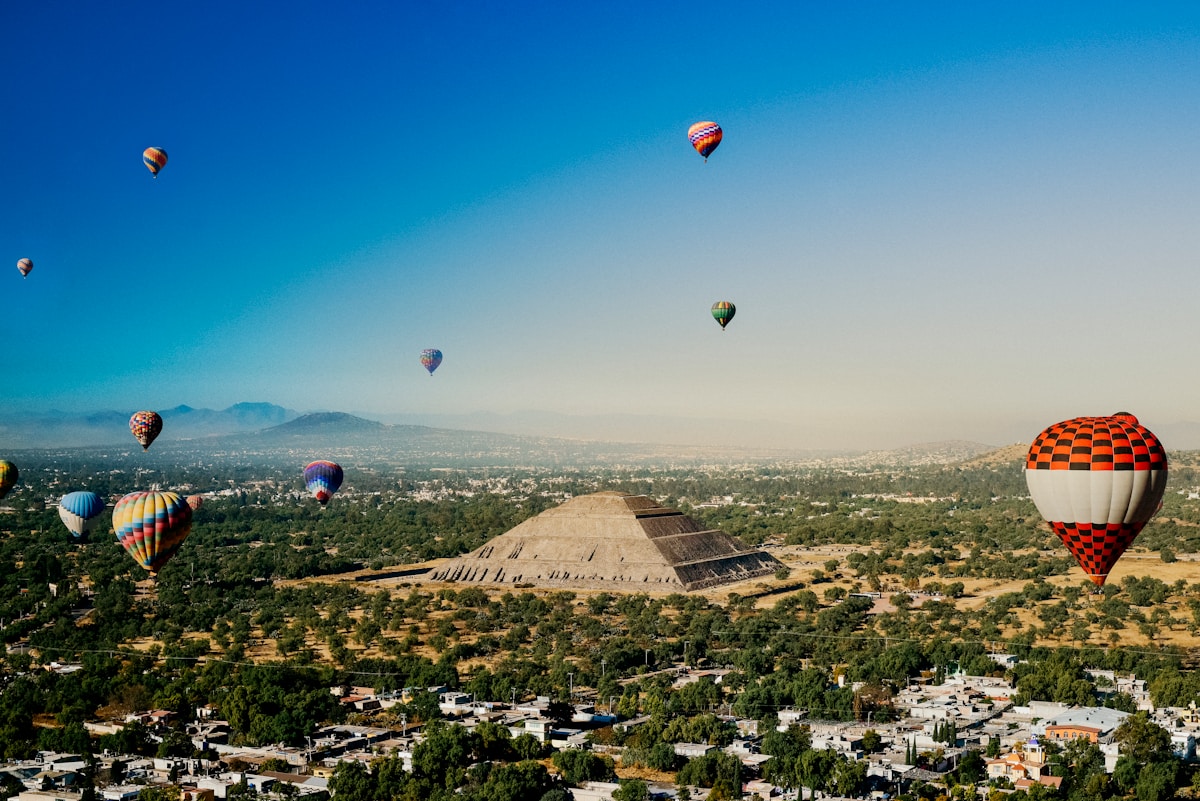
Teotihuacan outside Mexico City is the most visited site, but it is far from the only one. The Yucatán Peninsula alone has hundreds of documented Maya sites, of which only a fraction are fully excavated. Palenque in Chiapas, Uxmal south of Mérida, and Cobá near Tulum each offer a completely different experience of Maya architecture and scale.
The Maya built one of Mesoamerica's most sophisticated civilisations across the Yucatán Peninsula and Chiapas. Key sites include Chichén Itzá (Temple of Kukulcán), Palenque (Chiapas), Uxmal (Puuc-style architecture), Tulum (coastal walled city), and Cobá. Maya hieroglyphic script, astronomy, and calendar systems are among the most complex pre-Columbian achievements.
The Aztec Empire, centred on Tenochtitlán (modern Mexico City), was the dominant power in central Mexico at the time of Spanish contact. Teotihuacan (predating the Aztecs but later sacred to them) is the most visited archaeological site in Mexico. The Templo Mayor in central Mexico City is the heart of the old Aztec capital. The Museo Nacional de Antropología in CDMX holds the world's best collection of Aztec artefacts.
Beyond Maya and Aztec: Monte Albán near Oaxaca City is the Zapotec civilisation's greatest site, with panoramic views over the Oaxacan valley. Cholula (Puebla) has the world's largest pyramid by volume, topped by a Spanish colonial church. El Tajín (Veracruz) preserves Totonac architecture including the distinctive Pyramid of the Niches.
Spain's 300-year colonial period left Mexico with some of Latin America's finest baroque architecture. Oaxaca, Puebla, San Miguel de Allende, Guanajuato, and Mérida are UNESCO World Heritage colonial cities. Mexico City's historic centre (built over Tenochtitlán) contains the largest concentration of colonial-era buildings on the continent.
In-depth guides to Mexico's archaeological sites, historical periods, and colonial cities.
Guide to Chichén Itzá: El Castillo pyramid, the Great Ball Court, Temple of Warriors, and how to visit without the worst of the crowds.
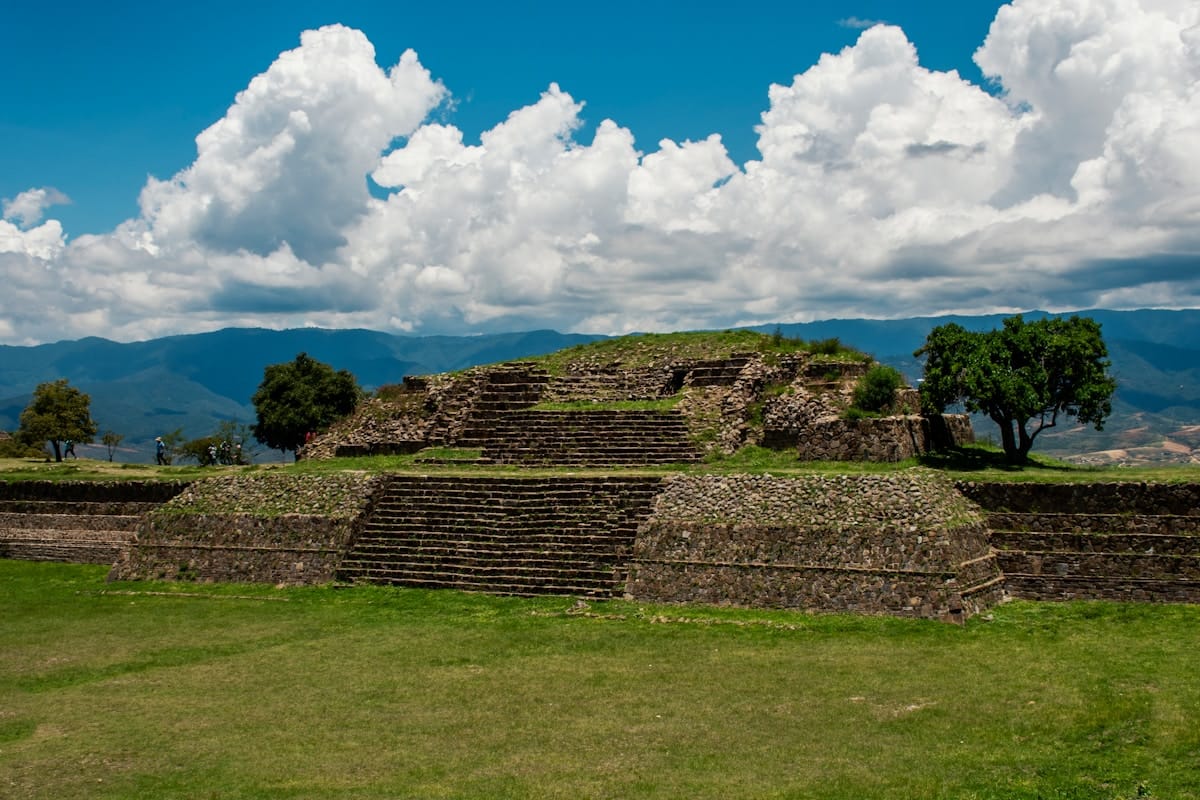
Guide to Monte Albán: the ancient Zapotec capital, the main plaza and ball court, Tomb 7, the Observatory, and how to visit from Oaxaca City.
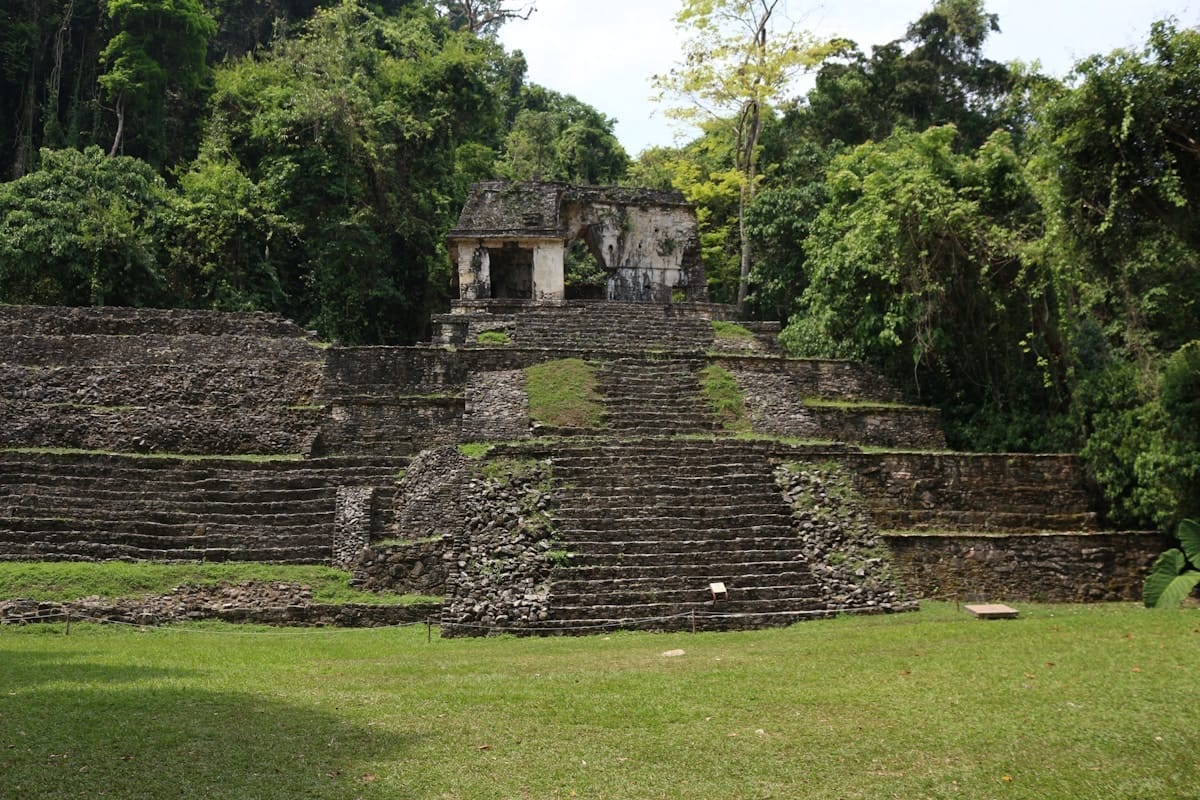
Palenque's jungle-set Mayan ruins include Pakal's tomb inside the Temple of the Inscriptions - the Palace, Group of the Cross, hours, and ticket prices.
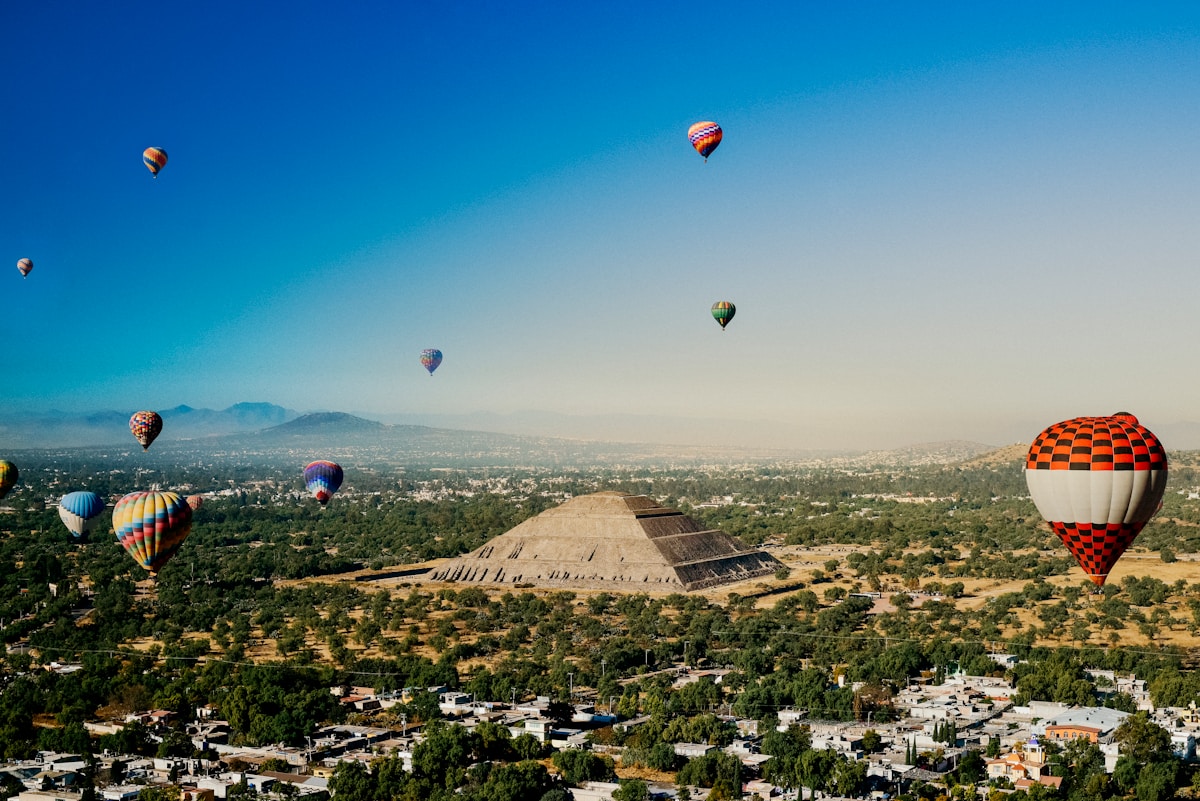
Teotihuacán's Pyramid of the Sun stands 65 metres tall - the Avenue of the Dead, Moon Pyramid, open 9 am–5 pm, and day-trip logistics from CDMX.
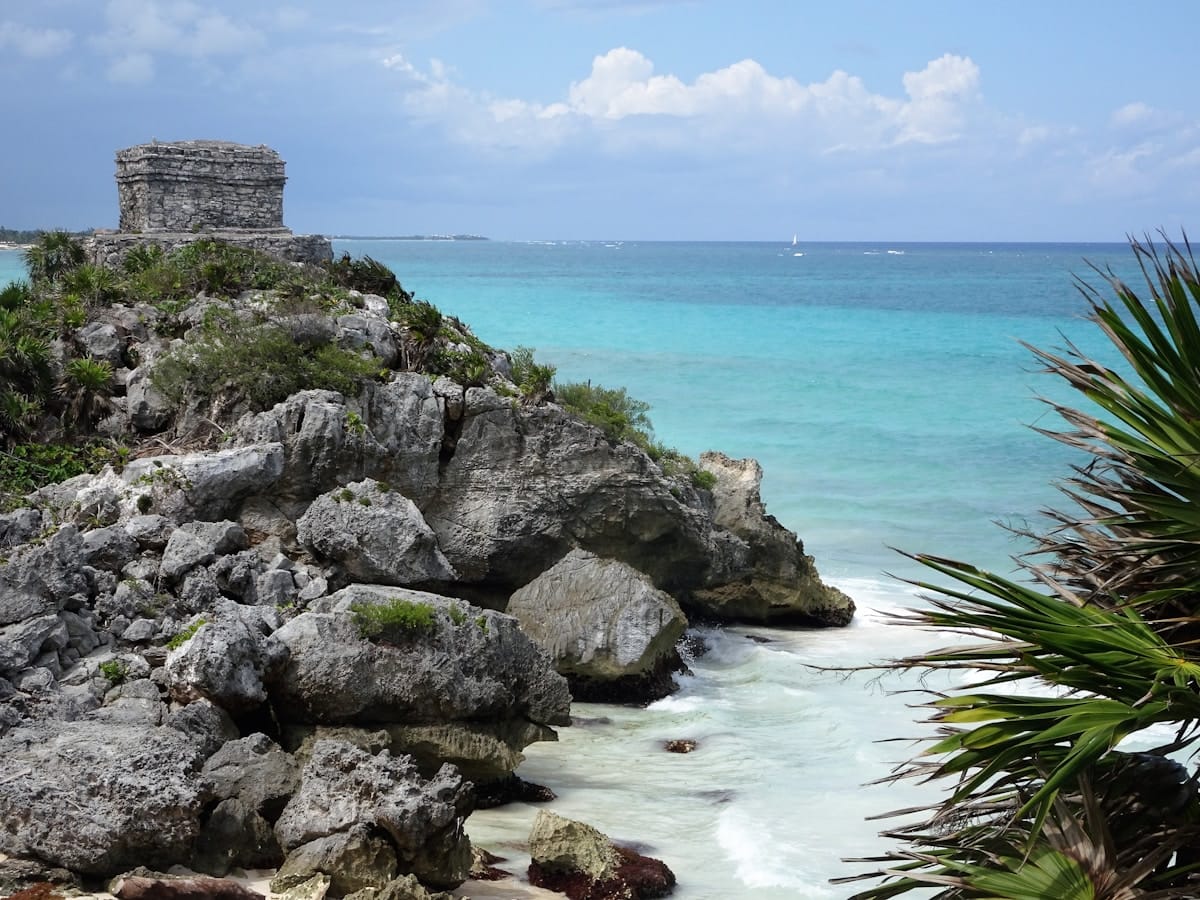
Tulum's clifftop Mayan ruins overlook the Caribbean from a 12-metre bluff - the Castillo, Temple of the Descending God, hours, and crowd strategy.
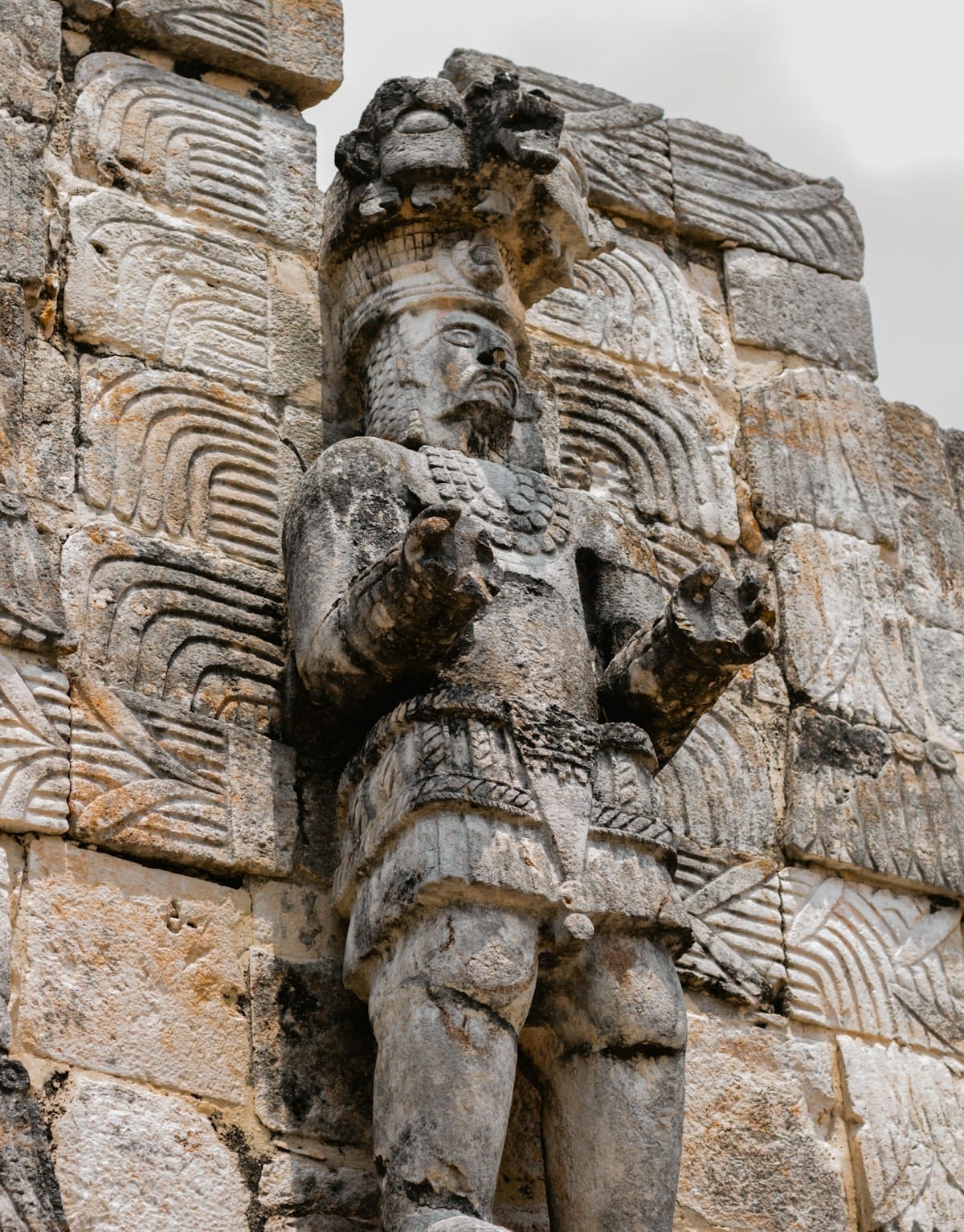
Guide to Uxmal: the Pyramid of the Magician, the Nunnery Quadrangle, the Governor's Palace, opening hours, ticket prices, and getting there from Mérida.
Book ahead
Skip-the-queue entry, expert guides, and transport included. Popular ruin tours sell out days ahead.
Explore Mexico beyond the ruins