Digital Nomad
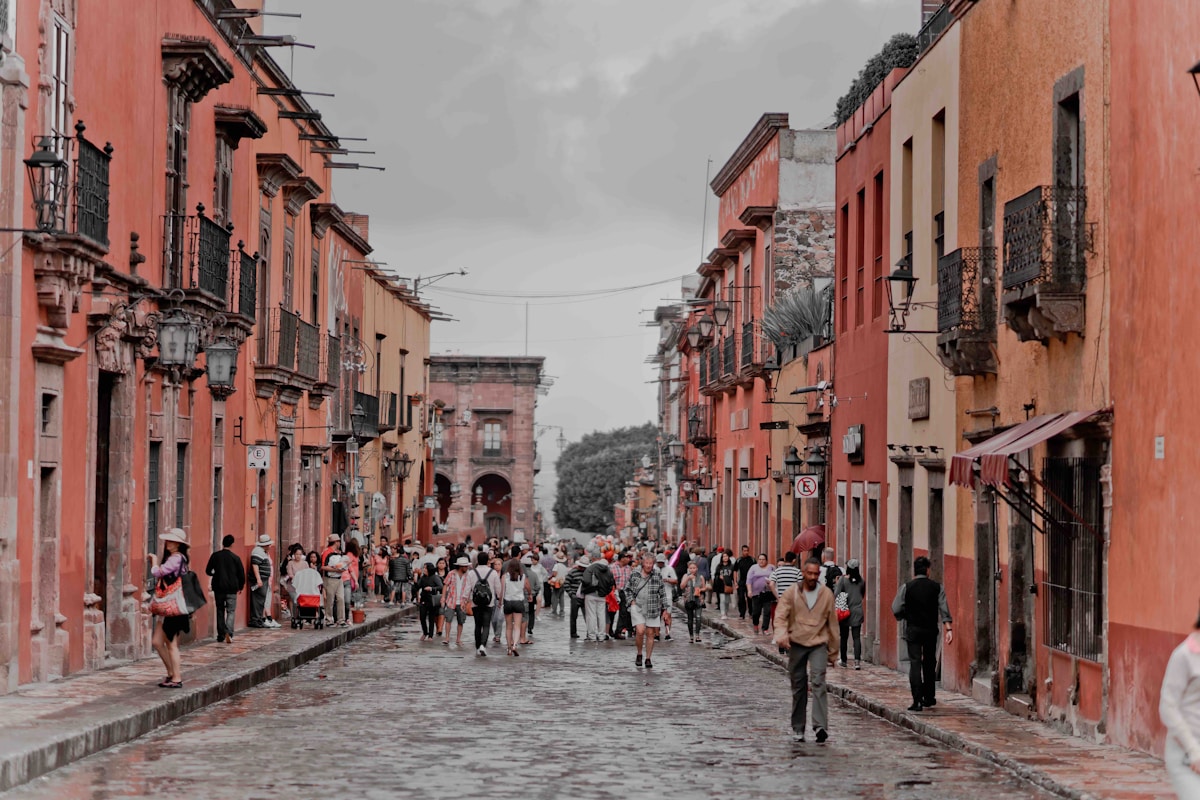
San Miguel de Allende for Digital Nomads and Remote Workers
San Miguel de Allende suits remote workers valuing culture over cost. Coworking from MXN 2,800/month; fast fibre available; living costs from USD 1,600.
Remote Work
Mexico is one of the world's most established digital nomad destinations. The combination of timezone compatibility with US clients (UTC-6 to UTC-8), relatively low living costs, strong cafe and coworking culture, and straightforward tourist visas makes it an obvious choice for North American and European remote workers. Mexico City's Roma Norte and Condesa neighbourhoods have a coworking density that rivals Lisbon or Chiang Mai.
The main consideration is the visa. Mexico does not have a dedicated digital nomad visa. Most nationalities receive a 180-day tourist stamp on arrival: effectively 6 months, free, with the ability to fly out and back in. For longer stays, the Residente Temporal visa is the formal path, requiring proof of income. The GMT-6/GMT-7 timezone works well for US clients and for European afternoon overlap.
Our Mexico guide covers coworking spots, cafe recommendations, internet speeds, and monthly cost breakdowns for the key nomad cities.
Rough monthly budgets for a digital nomad: mid-range apartment, coworking or cafe Wi-Fi, eating out 4–5 times per week. Figures in USD.
| City | Monthly Budget |
|---|---|
| Mexico City | $1,200–2,200 |
| Playa del Carmen | $1,400–2,500 |
| Oaxaca | $800–1,500 |
| Mérida | $900–1,600 |
| Guadalajara | $1,000–1,800 |
Budget estimates based on 2026 conditions. Verify current rates and conditions before planning.
Most nationalities (US, EU, UK, Canada, Australia) receive a free tourist stamp on arrival: officially 90 days but in practice immigration officers often grant up to 180. No advance application needed. For clarity, request 180 days explicitly at the immigration desk. No digital nomad visa exists as of 2026; the Residente Temporal is the formal longer-stay route.
Telcel has the best 4G/5G coverage nationally, including rural and highland areas. AT&T Mexico is a solid urban alternative. Buy at Telcel or AT&T shops with your passport: airport kiosks are convenient but pricier. Tourist SIMs with 5–20GB data typically cost MXN 100–300 ($5–15) for 30 days. eSIM options (Airalo) run $10–20 USD for Mexico.
Cafe WiFi in CDMX and major cities typically runs 50–200 Mbps. Dedicated coworking (100–500 Mbps) is strongest in Mexico City (WeWork, Selina, Impact Hub, dozens of independent spaces), Playa del Carmen (Selina, CoworKing), and Guadalajara. Day passes: MXN 200–500 ($10–25). Monthly memberships: MXN 2,000–5,000 ($100–250). Oaxaca has limited coworking: good cafes fill the role.
The simplest extension is a border run: fly or drive to the US, Guatemala, or Belize and re-enter Mexico. Guatemalan trips (via San Cristóbal de las Casas) are popular from southern Mexico. For longer-term residence, the Residente Temporal requires a Mexican consulate appointment in your home country, proof of monthly income (~$1,800 USD), and takes 4–8 weeks to process.
In-depth guides to remote working, coworking spaces, and the digital nomad lifestyle in Mexico.
San Miguel de Allende suits remote workers valuing culture over cost. Coworking from MXN 2,800/month; fast fibre available; living costs from USD 1,600.
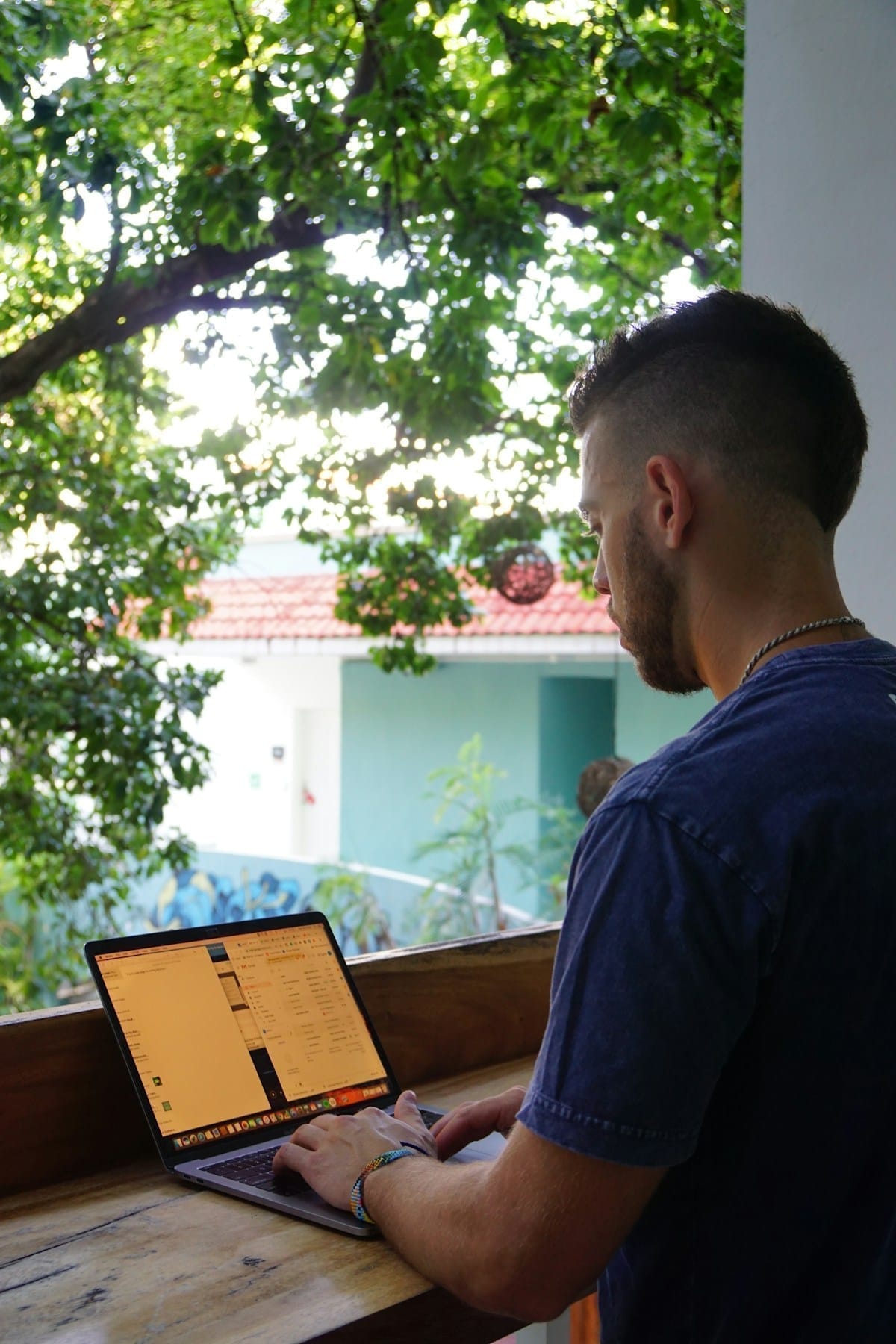
Mexico's best digital nomad cities compared: fast internet, affordable rent, coworking spaces, and no visa drama for stays under 180 days.
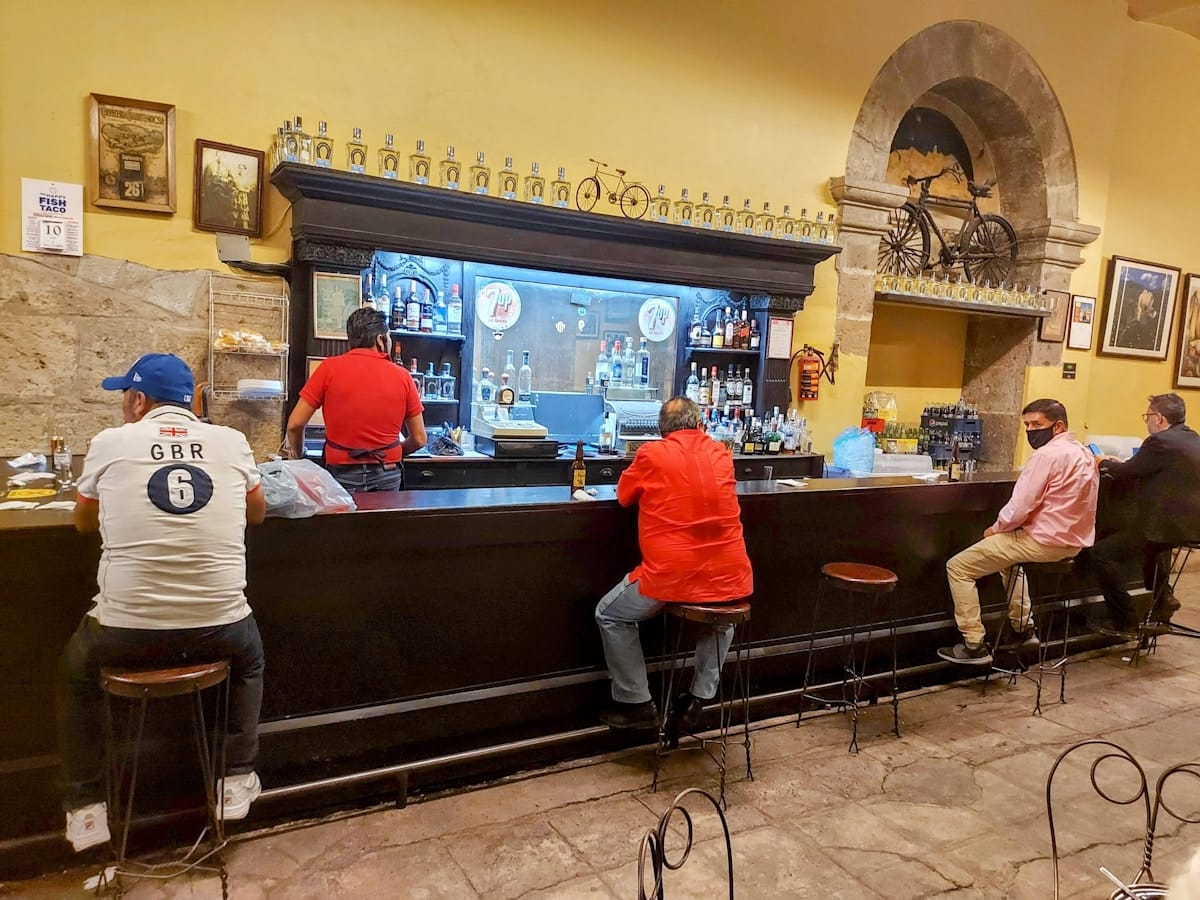
Guadalajara for digital nomads - Café Pergola and Quince Café lead with 30–80 Mbps, Atom House coworking from MXN 2,500/month, costs from USD 900.

Mexico City for digital nomads - Café Avellaneda and Quentin Café lead Roma Norte; coworking from MXN 2,500/month; living costs from USD 1,100.

Oaxaca for digital nomads - Café Brújula and Boulenc lead with 15–50 Mbps, Convivio coworking from MXN 2,500/month, and living costs from USD 900.
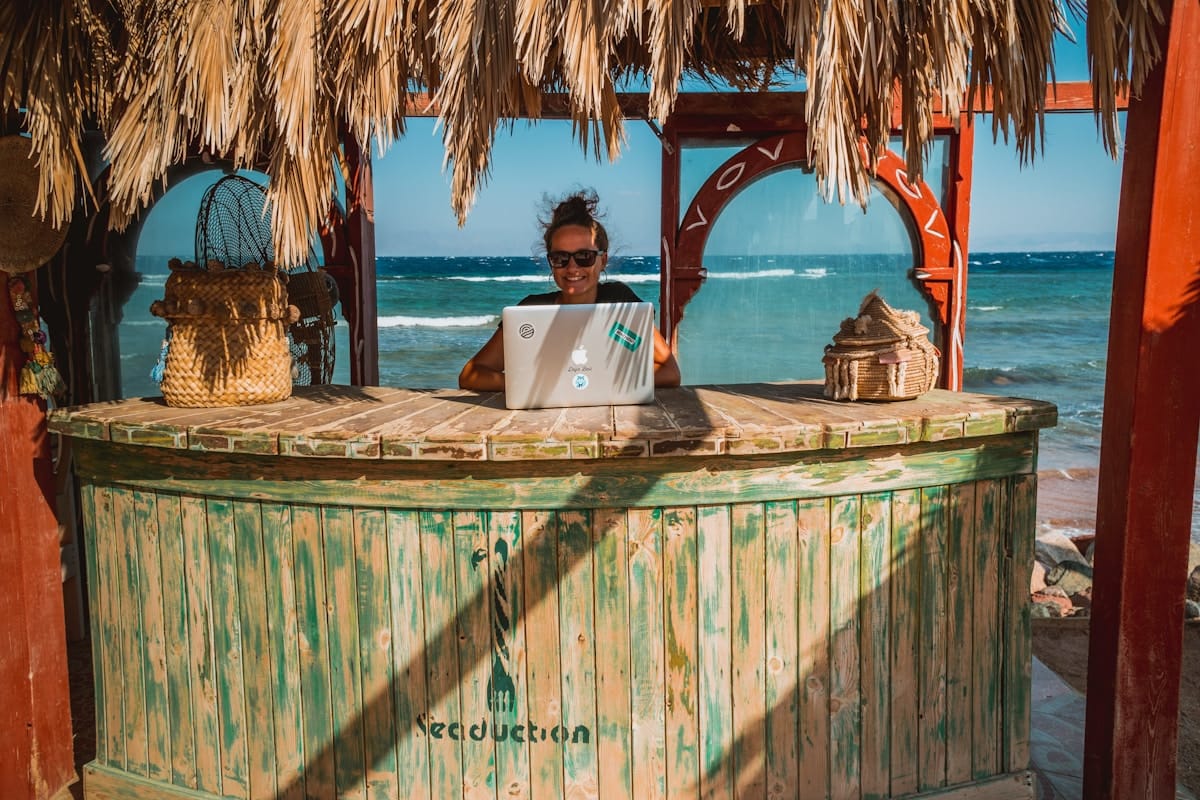
El Faro (Quinta Avenida, 20–80 Mbps) and HOT! Cowork (MXN $2,000/month) anchor PDC's remote scene. Non-beach living from USD $1,000/month.
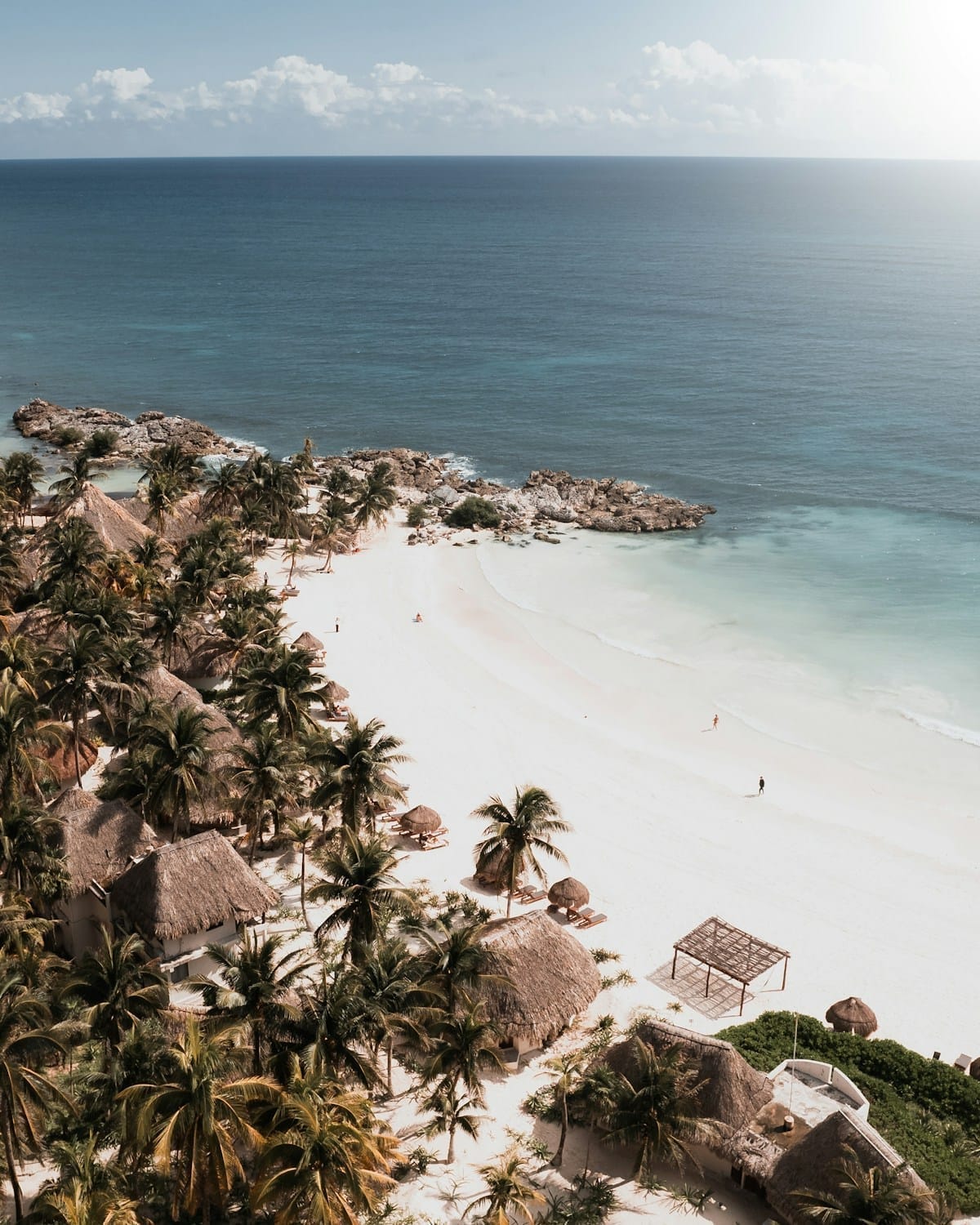
Tulum for digital nomads - Ki'bok and Selina lead the coworking scene from MXN 3,500/month; town WiFi reaches 30–80 Mbps, far ahead of the beach strip.
Book ahead
Day trips, city tours, and cultural experiences. Take a break from the laptop.
Ready to plan your move to Mexico?