Food & Drink
Coffee in Mexico: The Guide to Mexican Coffee Culture
Mexican coffee culture: specialty regions, highland farms in Chiapas and Oaxaca, how to order, and top coffee cities across the country.
Mexican Cuisine
Mexican food is a UNESCO Intangible Cultural Heritage and one of the world's most misrepresented cuisines outside its borders. What passes for Mexican food internationally (hard-shell tacos, heavy burritos) is largely a Tex-Mex invention with little relation to what people actually eat in Mexico. The real thing is regional, seasonal, and complex.
Oaxaca is the acknowledged gastronomic capital: seven distinct mole sauces, mezcal distilleries, tlayudas, and grasshopper tacos (chapulines). The Yucatán has a completely separate culinary tradition shaped by Maya cooking: cochinita pibil, papadzules, and sopa de lima. Mexico City is where everything converges: tacos al pastor at midnight, high-end restaurants from globally recognised chefs, and the broadest variety of regional cooking under one roof.
Each city guide includes a dedicated food page covering must-eat dishes, local specialities, and where to eat them.
Bacalar
Food guide →
Cancún
Food guide →
Cozumel
Food guide →
Guadalajara
Food guide →
Guanajuato
Food guide →
Isla Mujeres
Food guide →
Los Cabos
Food guide →
Mazatlán
Food guide →
Mérida
Food guide →
Mexico City
Food guide →
Monterrey
Food guide →
Morelia
Food guide →
Oaxaca City
Food guide →
Playa del Carmen
Food guide →
Puebla
Food guide →
Puerto Escondido
Food guide →
Puerto Vallarta
Food guide →
San Cristóbal de las Casas
Food guide →
San Miguel de Allende
Food guide →
Tulum
Food guide →
Valladolid
Food guide →
Eight things that represent the depth and regional variety of Mexican food and drink.
Spit-roasted marinated pork shaved onto small corn tortillas, topped with pineapple, onion, and coriander. A Mexico City staple with Lebanese origins (al pastor translates as "shepherd style", referencing the shawarma technique brought by Lebanese immigrants). Best eaten at a proper taqueria standing up.
Oaxaca's most complex sauce, made with up to 30 ingredients including multiple dried chillies, chocolate, spices, and charred ingredients, simmered for hours. Served over turkey or chicken. Every family has its own recipe. Oaxaca is the place to eat it; restaurant versions outside Oaxaca rarely match the real thing.
A dish with patriotic symbolism: poblano chilli stuffed with a sweet-savoury picadillo of meat, dried fruit, and spices, topped with walnut cream sauce and pomegranate seeds. The white, green, and red colours represent the Mexican flag. A seasonal dish, available August–September when pomegranates and walnuts are fresh.
Oaxaca's answer to pizza: a large, crispy corn tortilla spread with black bean paste, asiento (unrefined lard), quesillo (Oaxacan string cheese), and toppings of your choice. Cooked on a clay griddle. Enormous portions, cheap, and one of the most satisfying things to eat in the state.
A Yucatecan slow-roasted pork dish marinated in achiote paste and sour orange juice, traditionally cooked underground wrapped in banana leaves. The acidity and earthiness are unlike anything else in Mexican cooking. Available across the Yucatán, best in local cenadurías in Mérida.
A hearty hominy corn soup served with pork or chicken, topped with shredded cabbage, radish, oregano, lime, and dried chilli. Comes in red (rojo), white (blanco), and green (verde) versions. A dish with pre-Columbian origins: hominy corn was central to Aztec ritual. Deeply satisfying and widely available.
Street corn at its best. Elotes are corn on the cob grilled or boiled and slathered with mayonnaise, cheese, chilli powder, and lime. Esquites are the same ingredients served in a cup. A ubiquitous street snack across Mexico, sold from carts at every market and evening food scene.
Mexico's artisanal spirit, distilled from agave (tequila is a type of mezcal made exclusively from blue agave in Jalisco; mezcal draws from dozens of agave varieties). Oaxaca produces over 80% of Mexico's mezcal. Smoky, complex, and properly consumed neat at room temperature. Sipping tours of Oaxacan palenques (distilleries) are a genuine experience.
Mexico's undisputed food capital. Seven mole sauces, tlayudas, quesillo, grasshopper tacos, chocolate, and a mezcal tradition that predates the industry. The Mercado Benito Juárez and Mercado 20 de Noviembre are essential. Cooking classes here among the best in Latin America.
Food guide to Oaxaca →The broadest food city in Mexico: every regional cuisine represented, from Yucatecan cenadurías in Colonia Condesa to Oaxacan tlayudas in Roma Norte. Also home to internationally acclaimed fine dining: Pujol, Quintonil, and Contramar. Tacos al pastor until 4am in Cuauhtémoc.
Food guide to Mexico City →The Yucatán's culinary capital. Cochinita pibil, papadzules, sopa de lima, and poc chuc are all done best here. Sunday's Mercado Lucas de Gálvez is the best single food market in the peninsula. Yucatecan cooking is so distinct from central Mexican food it constitutes its own regional cuisine.
Food guide to Mérida →In-depth guides to the cuisine, restaurants, and street food scene.
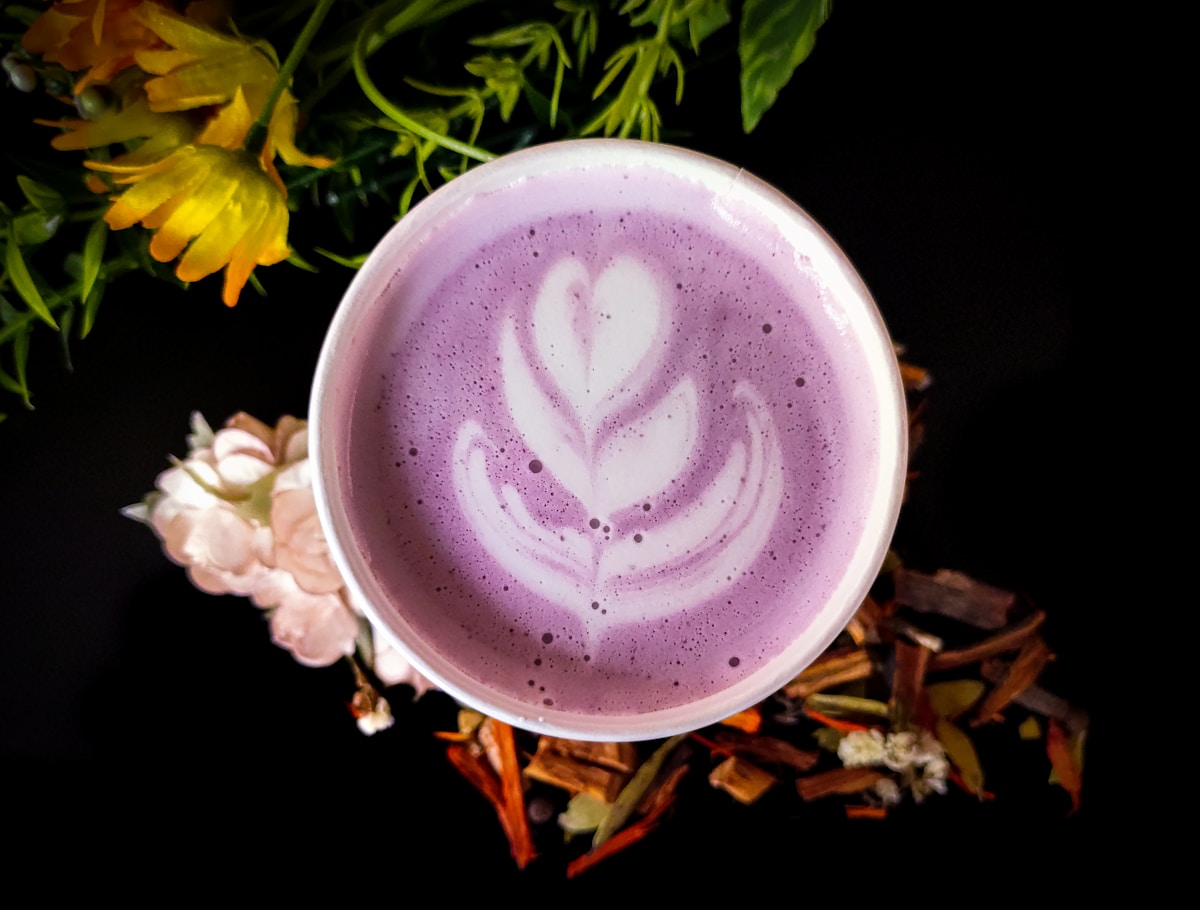
Mexican coffee culture: specialty regions, highland farms in Chiapas and Oaxaca, how to order, and top coffee cities across the country.
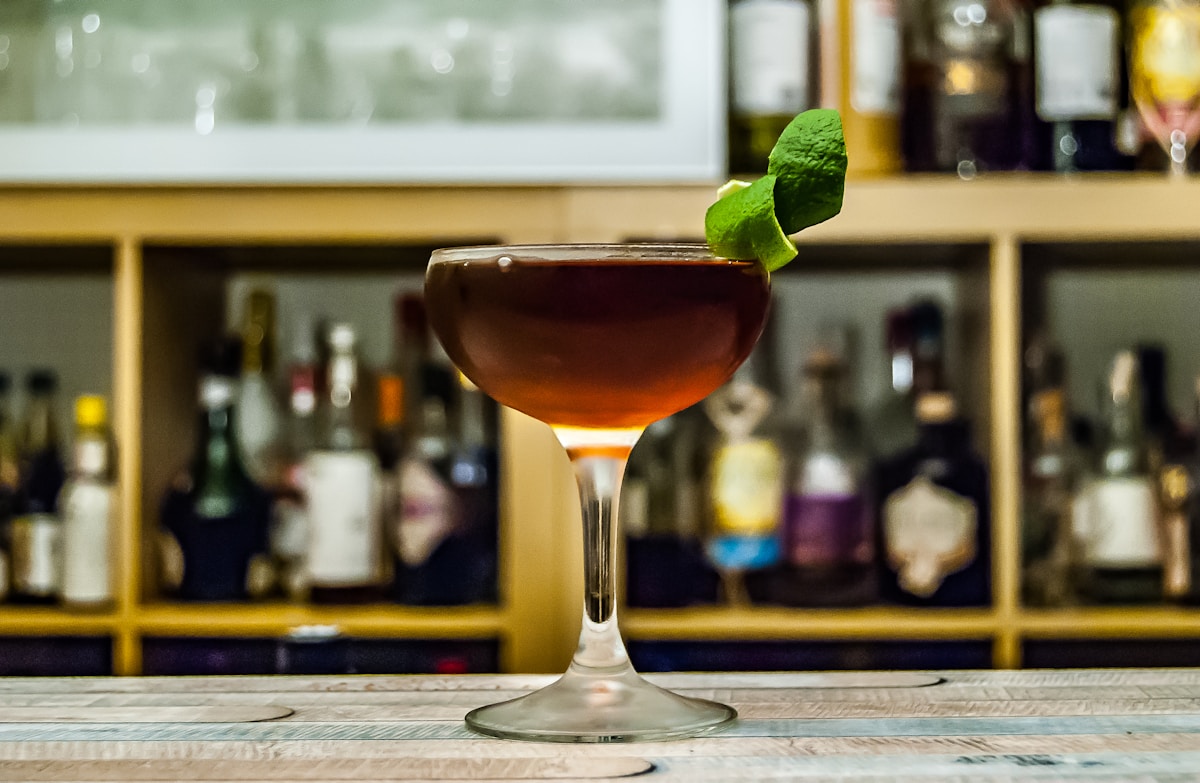
Guide to mezcal and tequila: how they're made, how to drink them, the difference between them, and where to experience both at source in Mexico.
Guide to Oaxaca's seven moles: negro, coloradito, amarillo, verde, chichilo, rojo, and manchamanteles - what's in each and where to eat them.
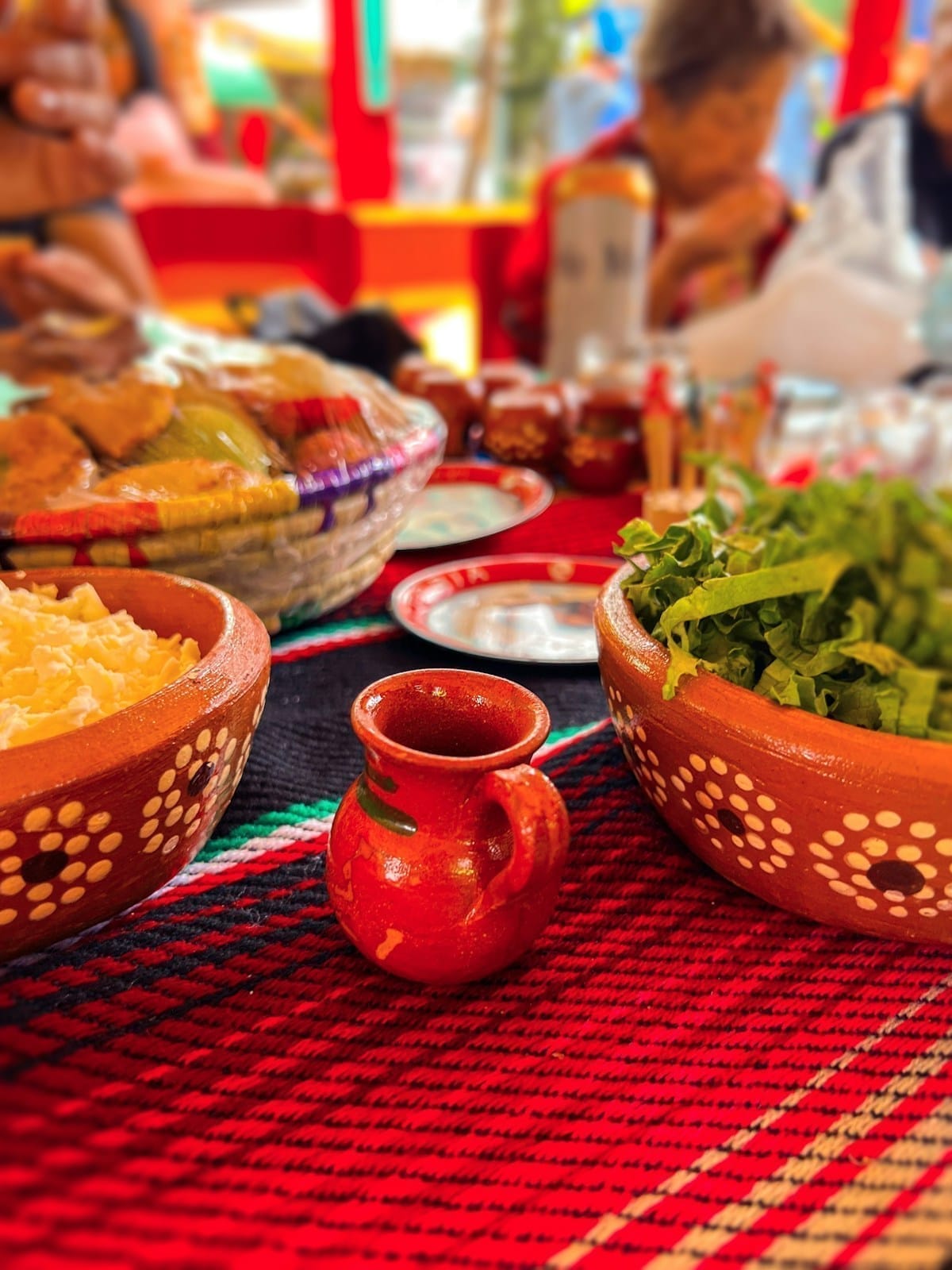
Mexico's regional cuisines by state: Oaxaca's moles, Yucatán's achiote tradition, Jalisco's birria, and the sharp divide between north and south.
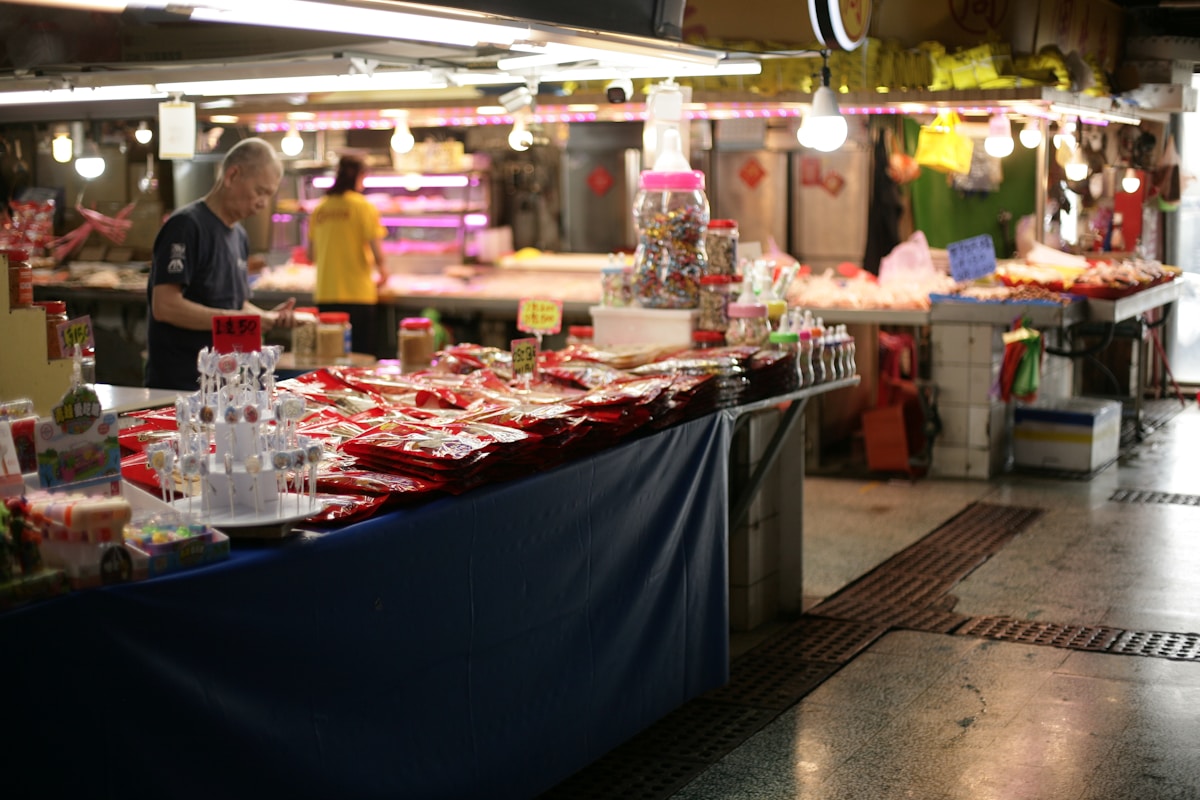
The complete guide to Mexican street food: tacos, elotes, esquites, tlayudas, tortas, and tamales - what to order and how to find the best stands.
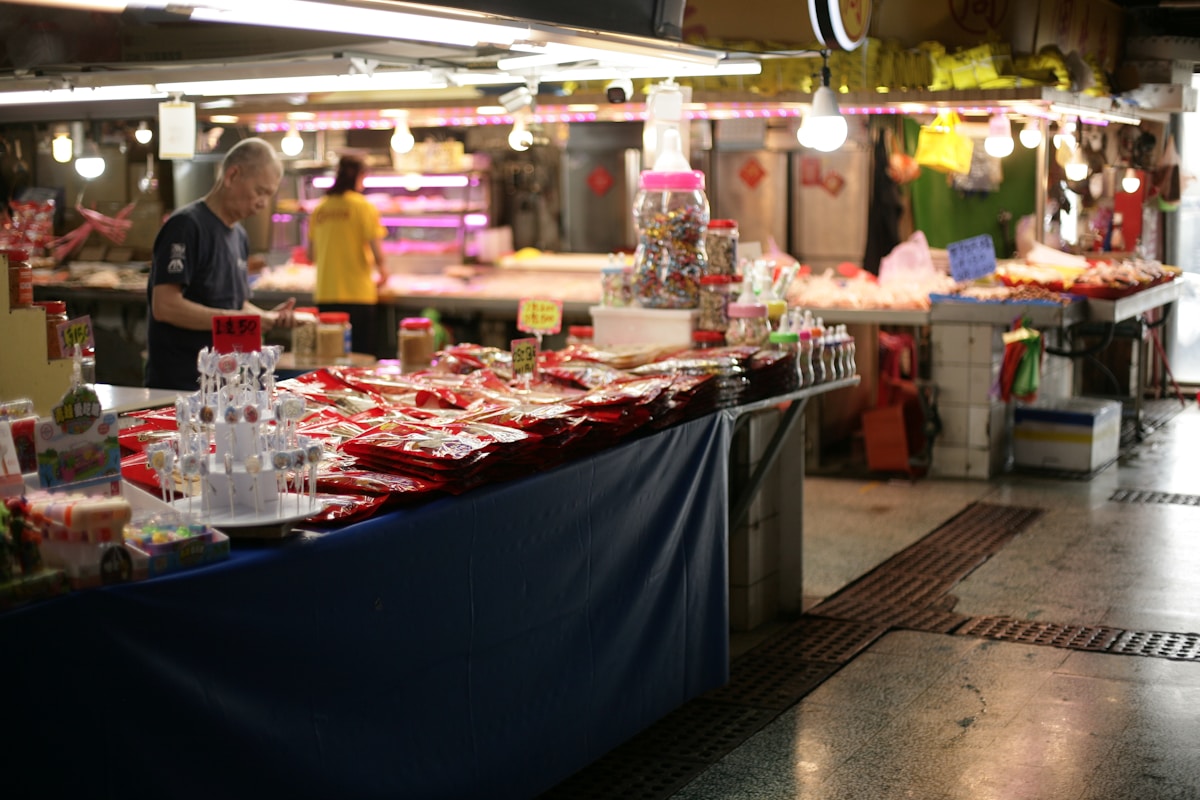
Every type of Mexican taco worth knowing: al pastor, carnitas, birria, suadero, barbacoa, pescado, cochinita pibil, and where to find the best.
Book ahead
Street food walks, mezcal tastings, and Oaxacan cooking classes. Book ahead, free cancellation on most.
Explore the food scene city by city