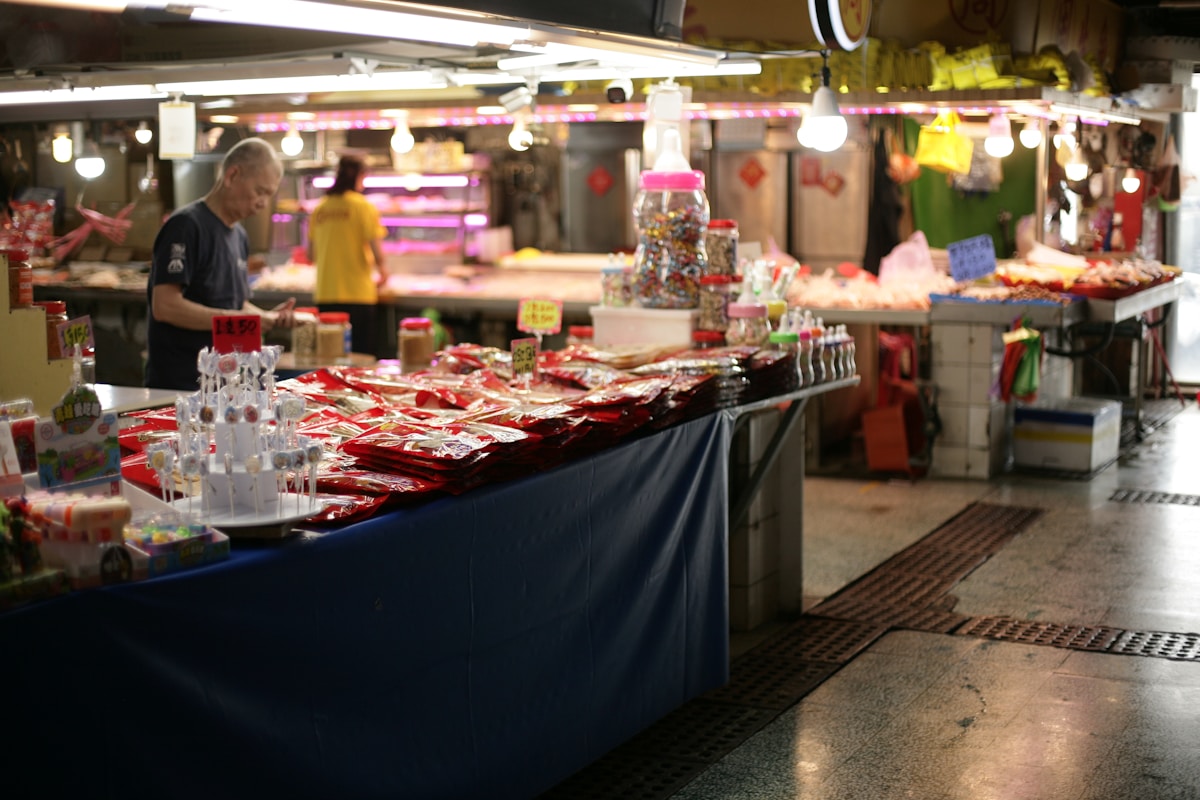
Oaxaca is called “the land of seven moles” - a title that reflects the region’s distinct culinary identity. Mole is not a single sauce but a family of complex preparations, each using a different combination of dried chillies, seeds, nuts, herbs, spices, and in some cases chocolate. The preparation of a single mole can take a full day or more, and family recipes are passed through generations with the seriousness of a trade secret.
What mole actually is
The word “mole” comes from the Nahuatl word molli (sauce). A mole is characterised by its use of multiple ingredients - typically 20–30 in a serious recipe - including dried chillies (which provide colour, heat, and flavour depth), seeds (pumpkin, sesame), nuts (almonds, peanuts), spices (cinnamon, cloves, cumin, black pepper), dried fruit (raisins, prunes), tomatoes or tomatillos, and often chocolate (in the darker moles). Each ingredient is typically toasted, charred, or fried separately before grinding and combining.
The process matters as much as the ingredients. In traditional preparation, each element is handled individually on a comal (griddle) - chillies are charred until blackened, seeds are toasted until they release their oils, spices are warmed to bloom their aromatics. The paste is then ground on a stone metate or in a molino (grinding mill) and cooked slowly with broth until the flavours meld. This process can take 6–10 hours for the more complex moles.
Mole is not a condiment - it is the centrepiece of the plate. Traditionally served over turkey or chicken, with rice and handmade tortillas. In Oaxaca, mole appears at celebrations, funerals, weddings, baptisms, and any occasion important enough to justify the labour.
The seven moles of Oaxaca
Mole Negro (Black Mole)
The most complex and most celebrated of the seven. Uses mulato, ancho, pasilla oaxaqueño, and chihuacle negro chillies - the chihuacle negro is endemic to Oaxaca and nearly impossible to source outside the region, which is part of what makes authentic mole negro geographically tied to this place. The recipe includes charred tortilla or bread (for body and colour), Mexican dark chocolate (not sweetened), dried fruit, banana, multiple spices (cinnamon, cloves, cumin, oregano, thyme, marjoram), and tomatoes.
The colour is near-black. The flavour is deep, bitter, slightly sweet, with layers that unfold over several bites - chocolate, smoke, dried fruit, controlled heat. Mole negro is traditionally served over turkey (guajolote) for celebrations, but chicken is the everyday version. This is the mole against which all others are judged, and the one that best demonstrates a cook’s skill.
Where to eat it: Los Danzantes (Santo Domingo area, mains approximately MXN $200–350) serves an excellent version. Market fondas at Mercado 20 de Noviembre offer more traditional preparations (approximately MXN $80–150). For the most refined version, Tlamanalli in Teotitlán del Valle (advance booking essential) or Criollo (tasting menu approximately MXN $1,200–1,800).
Mole Coloradito (Little Red Mole)
Red-brown colour, the most accessible of the seven for mole first-timers. Uses ancho and guajillo chillies, chocolate, tomatoes, sesame seeds, and cinnamon. Lighter and slightly sweeter than negro, with a velvety texture and a warmth rather than deep bitterness. Often served with chicken. Available at most traditional Oaxacan restaurants.
Mole Amarillo (Yellow Mole)
Made with amarillo (yellow costeño) chillies, tomatillos, hierba santa (an anise-flavoured herb unique to southern Mexican cooking), and masa for thickening. The sauce is lighter in texture than negro or coloradito - almost broth-like. Used with pork, chicken, or vegetables, and as the filling for tamales de mole amarillo (a common street food). Flavour is herbal, tangy, and moderately spicy.
Mole Verde (Green Mole)
The lightest of the seven. Uses fresh (not dried) chillies - typically jalapeño and serrano - along with tomatillos, pumpkin seeds (pepitas), epazote and hierba santa herbs, and hoja santa leaves. Bright, herbal, and clean-tasting. No chocolate. Often served with pork or chicken. The most approachable mole for those unfamiliar with the cuisine.
Mole Chichilo
One of the rarer seven - less commonly offered at restaurants. Made with mulato and pasilla chillies and charred tortilla for deep colour. The distinctive ingredient is avocado leaves, which provide an anise-like flavour unique to this mole. Traditionally served with beef (unusual among the seven, which mostly accompany poultry). Dark, smoky, and complex. Ask specifically at traditional restaurants - not all kitchens prepare it regularly.
Mole Rojo (Red Mole)
A simpler red mole, related to but distinct from coloradito. Chile ancho and guajillo predominate, with fewer ingredients than the more complex moles. Varies significantly by cook - some versions are straightforward and mild, others approach the complexity of coloradito. The most everyday of the seven, appearing as a quick sauce at market fondas. Served with chicken, pork, or enchiladas.
Manchamanteles (Tablecloth Stainer)
The most unusual of the seven - a fruit-forward mole that includes pineapple, plantain, and sometimes apple or other seasonal fruit alongside the chillies. Its name (literally “tablecloth stainer”) comes from its tendency to leave indelible marks. The flavour is a paradox - sweet, spicy, and savoury simultaneously, with the fruit providing an acidity and freshness that the other moles lack. Seasonal ingredients vary by cook and time of year. Typically served with pork.
Where to eat mole in Oaxaca
| Restaurant | What to try | Approx. price | Notes |
|---|---|---|---|
| Los Danzantes | Mole negro, coloradito | MXN $200–350 per main | Upscale, reliable, Santo Domingo area |
| La Biznaga | Multiple moles | MXN $150–250 | Casual, well-regarded, García Vigil |
| Tlamanalli | Traditional Zapotec mole | MXN $200–300 | Teotitlán del Valle, 30 min from city, book ahead |
| Criollo | Contemporary tasting menu | MXN $1,200–1,800 | High-end, creative takes on tradition |
| Tierra del Sol | All seven moles available | MXN $150–280 | Hotel La Casona de Tita |
| Market fondas | Negro, coloradito, amarillo | MXN $60–120 | Mercado 20 de Noviembre, Benito Juárez |
| Comedor de los Tamales | Tamales de mole amarillo | MXN $20–40 each | Various market locations |
Market fondas (the small food stalls at Mercado Benito Juárez and Mercado 20 de Noviembre) are the most affordable option and often the most traditional. Market cooks typically specialise in one or two moles prepared that day. Ask what is available (“¿Qué moles tiene hoy?”) and order what the cook is making - this is not a menu restaurant but a kitchen cooking one thing well.
Taking mole home
Oaxacan market vendors sell mole paste (pasta de mole) by weight - the base preparation, requiring only the addition of broth and your protein at home. Available at the Mercado Benito Juárez and Mercado de Abastos. Negro and coloradito pastes are the most commonly available. Prices: approximately MXN $50–150 per portion (enough for 4–6 servings).
Brands: Mayordomo (the most recognisable brand, available in shops and markets) produces packaged mole pastes that are decent quality and travel well. For more authentic versions, buy directly from market vendors who grind their own.
Customs note: Mole paste is generally permitted through international customs (no fresh ingredients), but check your country’s food import rules. Pack in checked luggage - the paste can stain if it leaks.
Cooking classes
Learning to make mole is one of the most popular cooking class experiences in Oaxaca. Classes typically begin with a market visit to buy ingredients, followed by 3–4 hours of preparation:
- La Casa de los Sabores (approximately MXN $1,500–2,000, half day)
- Seasons of My Heart (Rancho Aurora, approximately MXN $2,000–2,500, includes market visit and transport)
- Casa de las Bugambilias (approximately MXN $1,200–1,800)
Classes usually focus on mole negro or coloradito - the most instructive for understanding the technique. Book 1–2 weeks ahead during high season (November–March and Día de Muertos).
Take a Mole Cooking Class in Oaxaca
Learning to make mole negro from a recipe doesn’t prepare you for the reality of 10 hours of preparation, and eating it at a restaurant gives you the result without the process. A cooking class in Oaxaca that begins at Mercado Benito Juárez — selecting chillies by variety with a guide who explains the role of each, toasting and charring in sequence on a comal, grinding at a molino — connects the dish to its ingredients in a way that reading about it doesn’t. The best classes run four to five hours and cover mole negro or coloradito alongside tortilla pressing and at least one other Oaxacan dish; they’re among the most worthwhile food experiences in Mexico. Browse mole cooking classes and food tours in Oaxaca for current options.
Plan your trip: tours in Oaxaca · travel insurance for Mexico · Mexico eSIM.
Related Guides
-
Things to Do in Oaxaca City - how cooking classes and market tours fit into a wider Oaxaca itinerary
-
Vegan Guide to Oaxaca - which mole types can be made without animal products
-
Oaxaca Mezcal Tours - the drink that accompanies mole in Oaxacan cuisine
-
Regional Cuisines of Mexico - Oaxacan cuisine in the context of Mexico’s other food regions