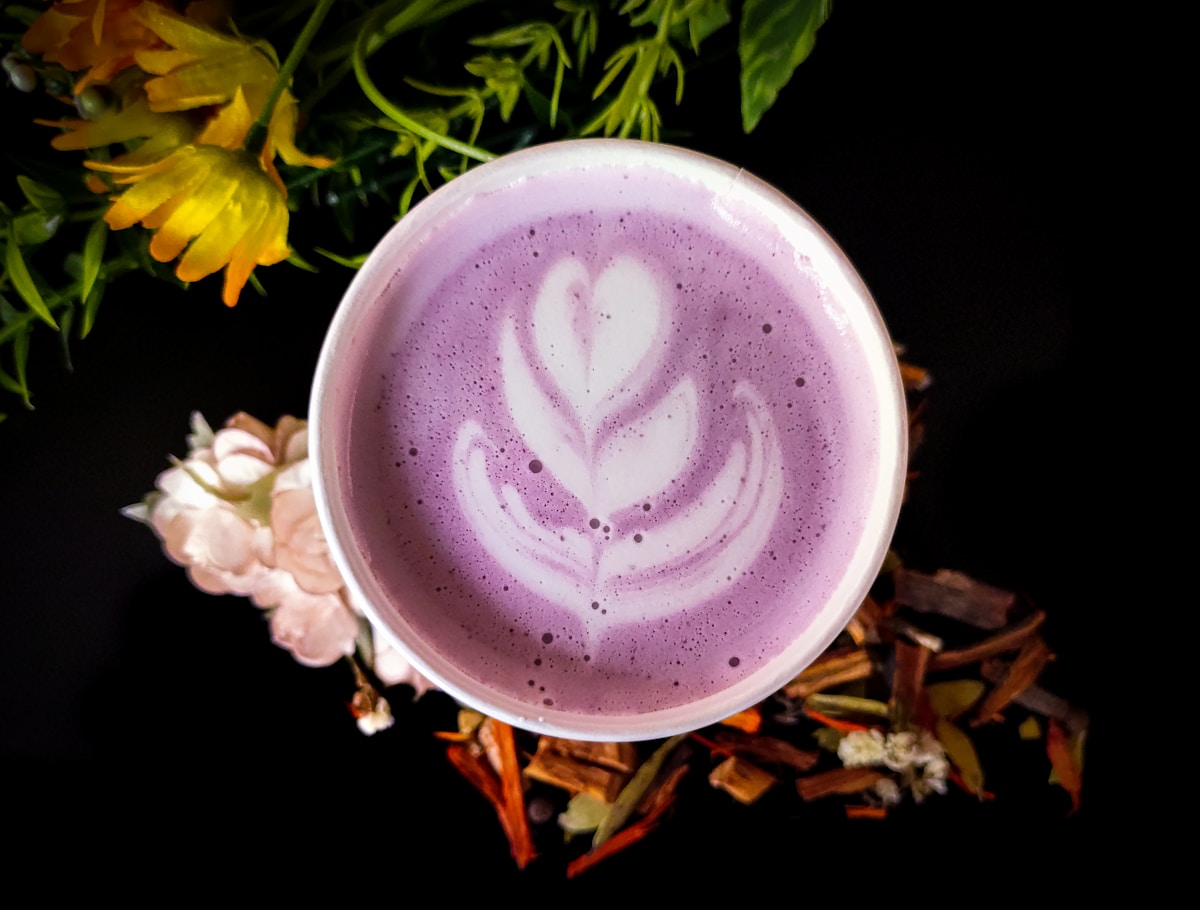
Mexico is the 9th largest coffee producer in the world and home to some of the finest shade-grown arabica in the Americas. Despite this, the traditional Mexican coffee experience - café de olla boiled with cinnamon and piloncillo - is dramatically different from the international specialty coffee culture that has taken root in Mexico City, Oaxaca, and San Cristóbal de las Casas. Understanding both traditions makes Mexican coffee significantly more interesting.
The producing regions
Chiapas
The largest producing state, particularly the highlands around San Cristóbal de las Casas and the Soconusco coast near the Guatemala border. Chiapas coffee is grown at altitude (1,000–1,800 m) under shade canopy (often alongside cacao and citrus trees), producing beans with bright acidity, citrus notes, and complexity. The growing conditions are similar to Guatemala’s Antigua region, and quality Chiapas coffee competes at the same level.
Notable producers: Cooperativa Majomut (indigenous cooperative producing under the Café Beneficio brand), Finca Irlanda (one of the oldest organic farms in Mexico, near Tapachula), and Finca Hamburgo (a German-founded estate now producing specialty-grade coffee near Soconusco). Chiapas is also the centre of Mexico’s fair-trade and organic coffee movements - many cooperatives are certified organic.
Oaxaca
The Sierra Juárez highlands (also called the Sierra Norte) and the Cañada region produce smaller volumes but excellent quality. The town of Pluma Hidalgo (in the mountains above the Oaxacan coast) is the best-known single-origin appellation - Pluma coffee is prized for its clean, complex cup with chocolate and nutty notes. The altitude (1,200–1,700 m) and volcanic soil produce beans with distinctive character.
Oaxaca’s coffee culture also includes the molino (grinding mill) tradition - cacao, coffee beans, cinnamon, and sugar are brought to a stone-grinding mill in the market, where they are ground into a paste for drinking chocolate that is part-coffee, part-chocolate, part-spice (see below).
Veracruz
The state that introduced coffee to Mexico in the late 18th century. The Coatepec region near Xalapa (the state capital) produces washed arabica beans with a smooth, mild profile - less complex than Chiapas or Oaxaca but consistently pleasant. Café Xico (from the town of Xico, near Xalapa) has some international recognition.
Veracruz is also home to Mexico’s most famous coffee tradition: the café lechero at the Gran Café de la Parroquia in Veracruz city - where waiters pour hot milk from a shoulder-high stream into tall glasses of strong black coffee (see below).
Guerrero and Puebla
Smaller production regions that contribute to Mexico’s overall output. Guerrero’s Atoyac region produces quality arabica at altitude. Puebla’s Sierra Norte region has growing organic production. Neither has the international recognition of Chiapas or Oaxaca, but quality is rising.
How coffee is served in Mexico
Café de olla
The traditional Mexican preparation - coffee grounds simmered in a clay pot (olla de barro) with piloncillo (unrefined brown sugar) and canela (Mexican cinnamon, which is milder and more aromatic than cassia cinnamon). The clay pot is said to contribute mineral notes to the flavour. Sweet, aromatic, warming, and nothing like espresso.
Available throughout Mexico at market comedores, traditional restaurants, and many cafés. Order “un café de olla” and you will receive it sweet (the piloncillo is cooked in); specify “sin azúcar” if you want it without sugar, though this defeats the traditional purpose. Price: approximately MXN $20–40 at markets, MXN $40–60 at cafés.
Café americano
Filtered coffee or espresso with hot water. The standard at specialty cafés. Quality varies enormously - from instant Nescafé at budget fondas to carefully extracted single-origin pour-overs at third-wave roasters in Roma Norte.
Café con leche
Half coffee, half hot milk. The everyday coffee order at most restaurants and fondas across Mexico. Served in a standard mug. At traditional restaurants, the coffee is strong and the milk is scalded.
Café lechero (Veracruz style)
A theatrical version of café con leche specific to Veracruz. At the Gran Café de la Parroquia (open since 1808, on the Veracruz Zócalo), you order a glass of strong black coffee. A waiter appears with a kettle of scalding hot milk and pours from shoulder height - a thin stream of milk arcing through the air and mixing with the coffee. You signal for the waiter by tapping your glass with a spoon - a sound that echoes across the portales all day. The ritual is sincere, the coffee is genuinely good, and the experience is one of Mexico’s great food traditions. Approximately MXN $40–60 per coffee.
Specialty espresso drinks
The full espresso menu (latte, cappuccino, cortado, flat white) is available at specialty cafés in Mexico City, Oaxaca, Guadalajara, San Cristóbal, Mérida, and other cities. Quality is high - Mexico’s specialty coffee scene has matured significantly since 2015, with many roasters sourcing directly from Mexican farms. Espresso drinks approximately MXN $50–90.
Best cities for coffee
Mexico City
The most developed specialty coffee scene in Mexico, with multiple independent roasters serving single-origin Mexican beans. Roma Norte and Condesa have the highest concentration:
- Café Avellaneda (Roma Norte): consistently excellent, Oaxacan and Chiapas beans
- Quentin Café (Roma Norte): good pour-overs, work-friendly
- Cardinal Casa de Café (Roma Norte): serious third-wave, rotating single-origins
- Buna 42 (Roma Norte): well-established, multiple brew methods
- Blend Station (various): local chain with good quality and consistency
- Café Passmar (Centro Histórico): traditional café con leche culture in a historic setting
Oaxaca City
A strong café culture driven by the city’s tourism and growing expat community. Many cafés source directly from Pluma Hidalgo and Sierra Juárez producers:
- Café Brújula (multiple locations): the best-known local roaster, excellent espresso
- Boulenc (bakery/café): French-trained baker with good coffee and outstanding pastries
- Café Los Cuiles: single-origin Oaxacan coffee, knowledgeable staff
- Archivo Maguey: doubles as a mezcal bar and café, unique atmosphere
San Cristóbal de las Casas
Perhaps the best coffee town per capita in Mexico - surrounded by Chiapas’s producing regions, with a café scene developed over decades. Multiple cooperatives sell directly to cafés in the city:
- Cafeología (Calle Real de Guadalupe): Chiapas single-origins, education-focused, approximately MXN $50–80
- Café Museo Café (María Adelina Flores): roasting exhibits alongside good coffee, approximately MXN $40–60
- Kinal Coffee: cooperative-direct coffee, emphasis on indigenous-produced beans
- Café Exquisito: long-established, traditional quality
The stone-ground chocolate-coffee tradition (Oaxaca)
Unique to Oaxaca: you bring your choice of cacao, coffee, cinnamon, sugar, and sometimes almonds to a molino (grinding mill) in the market. The ingredients are fed into a stone roller mill that grinds them into a dark, aromatic paste. The paste dissolves in hot water or milk to make a drinking chocolate that is part-coffee, part-cacao, part-spice - dense, warming, and deeply flavoured.
The Mercado 20 de Noviembre area in Oaxaca has multiple molinos; the process takes approximately 10 minutes and costs approximately MXN $30–60 depending on the quantity. You can choose your ratios - more cacao for a chocolate-forward drink, more coffee for a coffee-forward one. The paste travels well (wrapped in paper or plastic) and makes an excellent souvenir - dissolve a piece in hot milk at home.
Mayordomo is the most famous commercial brand producing this chocolate-coffee paste in pre-mixed tablets - available at markets and shops throughout Oaxaca (approximately MXN $30–80 per tablet). For the most authentic experience, visit the molino and watch your paste ground fresh.
Buying Mexican coffee to take home
- Whole beans from Chiapas and Oaxaca are available at specialty cafés and markets - approximately MXN $100–250 per 250g bag for quality single-origin
- Pluma Hidalgo beans from Oaxaca markets - ask for “café de Pluma” at the market stalls
- Cooperativa coffees from San Cristóbal - direct-trade beans from highland producers
- Chocolate-coffee paste from Oaxacan molinos - dissolves in hot milk for an instant traditional drink
- All travel well in checked luggage. Coffee beans pass through customs without issue in most countries
Explore Mexico’s Coffee Culture on a Guided Tour
The story of Mexican coffee connects highland farms in Chiapas and Oaxaca to the specialty cafés of Roma Norte and the cooperative roasters of San Cristóbal — a geography that rewards guided exploration. Coffee neighbourhood tours in Mexico City typically cover Roma Norte and Condesa, visiting three or four roasters with different approaches to Mexican single-origin beans, giving you a working understanding of how to navigate the city’s café scene independently. In San Cristóbal, guided tours that visit Chiapas highland farms or cooperative roasting facilities add a production dimension that café-hopping alone doesn’t provide. If you’re in Oaxaca, the combination of a specialty coffee stop with the stone-grinding molino tradition at Mercado 20 de Noviembre — where cacao, coffee, cinnamon, and sugar are ground together into a drinking paste — is one of the most distinctive food experiences in the country. Browse food and neighbourhood tours in Mexico City or food tours in Oaxaca for current options.
Plan your trip: tours in Mexico City · tours in Oaxaca · travel insurance for Mexico · Mexico eSIM.