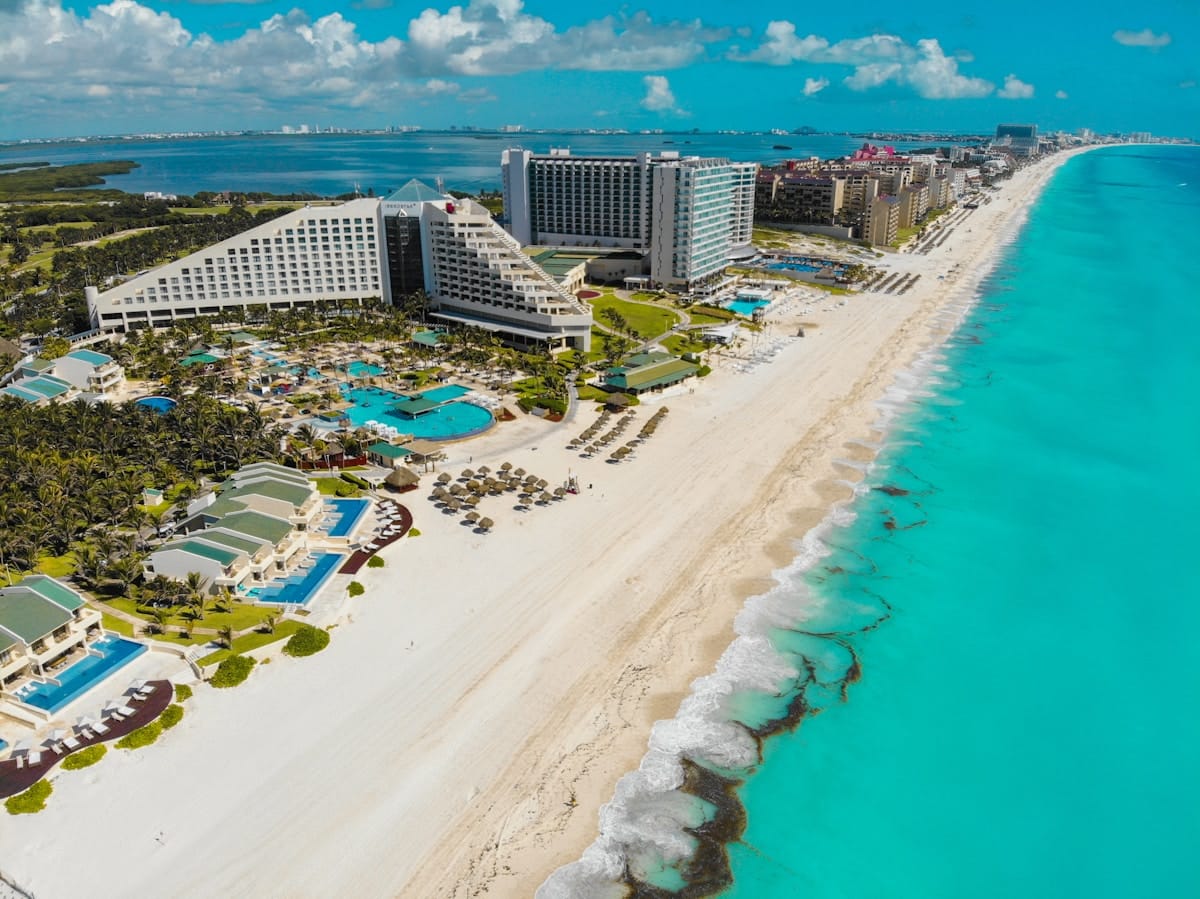
The Hotel Zone has international chains, resort buffets, and tourist-priced versions of Mexican food. The genuine Cancún food scene is in Ciudad Cancún (Downtown) - the residential city across Nichupté Lagoon. A 10-minute, MXN $12 bus ride from the Hotel Zone transforms both the quality and the price of everything you eat.
Cancún sits in the Yucatán Peninsula, and the regional cuisine is distinct from the tacos-and-tortas Mexican food found elsewhere. The flavour profiles lean towards citrus, achiote (annatto), habanero, and slow-cooked meats - with strong Maya roots.
Top Food Experiences at a Glance
| Tour | Duration | Price (from) | Group Size | Highlights |
|---|---|---|---|---|
| Cancún Street Food & Market Tour | 3 hrs | from $40 | Up to 15 | Mercado 28, cochinita pibil, antojitos, local guide |
| Cooking Class: Yucatecan Kitchen | 3 hrs | from $60 | Up to 10 | Market visit, hands-on cooking, full Yucatecan meal |
| Cancún Mezcal & Tequila Tasting | 2 hrs | from $45 | Small group | 6 guided tastings, food pairings, agave production notes |
| Cancún Food & History Walk | 2.5 hrs | from $35 | Up to 12 | Downtown eats, street snacks, colonial history context |
Browse all Cancún food experiences → GetYourGuide
Yucatecan dishes you need to try
Cochinita pibil - the signature Yucatecan dish: pork marinated in achiote paste and bitter orange juice, slow-roasted until falling apart, traditionally cooked in a banana-leaf-lined pit. Served in tacos with pickled red onion (cebolla morada) and habanero salsa. El Toro (Av. Cobá, Ciudad Cancún, tacos from approximately MXN $20–30) is reliable and busy with locals. The market stalls on Avenida Tulum serve good versions for approximately MXN $15–25 per taco. The Hotel Zone version typically costs 3–4 times more for the same dish.
Sopa de lima - a light, fragrant broth made with chicken, local lima (a citrus halfway between lime and lemon), and fried tortilla strips. Found on virtually every Yucatecan restaurant menu. More delicate and complex than it sounds - the local lima gives it a flavour that regular limes cannot replicate. Approximately MXN $60–100 per bowl at Downtown restaurants.
Papadzules - corn tortillas filled with hard-boiled egg, covered in a vivid green pumpkin-seed sauce (pepita sauce) and a drizzle of tomato sauce. A pre-Hispanic Maya dish, now found mainly at traditional restaurants. Los Huaches (Av. Nader, Downtown) serves a good version for approximately MXN $80–120.
Panuchos and salbutes - fried corn tortillas topped with black bean paste, shredded turkey or chicken, pickled onion, avocado, and tomato. Panuchos are stuffed with bean paste before frying (puffier); salbutes are lighter. Sold at market stalls and fondas for approximately MXN $15–25 each. Mercado 23 has the best street versions.
Poc chuc - thinly sliced pork marinated in citrus and grilled, served with pickled onions, tomato, and avocado. A Yucatecan barbecue staple. Available at most Downtown Yucatecan restaurants for approximately MXN $100–150.
Seafood
Cancún’s Caribbean and Gulf access means seafood is fresh and well-priced, especially outside the Hotel Zone.
Tikin-xic - the local signature: whole fish marinated in achiote paste and citrus, wrapped in banana leaf, and grilled. The result is smoky, earthy, and deeply Yucatecan. Pescadería San Carlos (Av. Yaxchilán, Downtown) serves it for approximately MXN $180–250. Hotel Zone versions run MXN $400+.
Ceviche - lime-cured seafood, served on tostadas or in cups. The fishing docks at Puerto Juárez (where the Isla Mujeres ferry departs) have cheap, fresh ceviche stands - approximately MXN $60–100 per portion. The shrimp ceviche is the local standard.
Cocteles de mariscos - seafood cocktails in a tomato-based sauce with avocado and lime. Sold at market stalls and along the malecón. Approximately MXN $80–150 depending on size and seafood variety.
Markets and cheap eats
Mercado 23 (Calle Cedro, Ciudad Cancún) - the main local market. Food stalls sell comida corrida (set lunch: soup, main, drink, and dessert) from approximately MXN $60–80 from mid-morning through mid-afternoon. Tostadas, panuchos, cochinita pibil, and fresh-squeezed juices. The taco stands at the market entrance are good for breakfast - huevos con cochinita and café de olla.
Mercado 28 (Avenida Sunyaxchén) - slightly more tourist-aware than Mercado 23, with souvenir shops surrounding the food court. The food is still good value - tacos from approximately MXN $15–25, seafood cocktails from MXN $100. Open daily.
Parque de las Palapas - the central plaza for evening street food. Marquesitas (crispy crêpe rolls filled with Edam cheese and Nutella, approximately MXN $30–50), elotes (grilled corn with mayo, chilli, and lime), and esquites (corn cups). Free live music on weekend evenings.
Where to eat in Ciudad Cancún
| Restaurant | What to order | Approximate price |
|---|---|---|
| El Toro (Av. Cobá) | Cochinita pibil tacos | Tacos MXN $20–30 each |
| Los Huaches (Av. Nader) | Papadzules, poc chuc | Plates MXN $80–150 |
| Pescadería San Carlos (Av. Yaxchilán) | Tikin-xic, ceviche | Mains MXN $150–250 |
| Tacos Rigo (Av. Cobá) | Tacos de pastor, suadero | Tacos MXN $15–25 each |
| La Habichuela Sunset (Hotel Zone) | Cocobichuela (seafood in coconut) | Mains MXN $300–500 |
Avenida Yaxchilán in the Downtown centro has the highest concentration of local restaurants - walk both sides and choose the busiest spots. Most serve Yucatecan regional food at a fraction of Hotel Zone prices.
What to drink
Agua fresca de jamaica - hibiscus water, served cold and slightly sweetened. Ubiquitous and refreshing in the heat. Approximately MXN $15–30 per glass.
Xtabentún - an anise and honey liqueur made in Yucatán from fermented honey and anise seeds. Slightly sweet, herbal, traditionally served on ice or in coffee. A Yucatecan curiosity worth trying once.
Cerveza artesanal - Cancún’s craft beer scene has grown significantly. Cevichería y Cervecería in Downtown and several bars on Avenida Yaxchilán serve local brews alongside Yucatecan food.
Mezcal - available everywhere, though this is not mezcal-producing territory. Oaxacan brands dominate. Hotel Zone mezcal bars charge a premium; Downtown bars serve the same bottles at lower mark-ups.
Plan your trip: tours in Cancún.