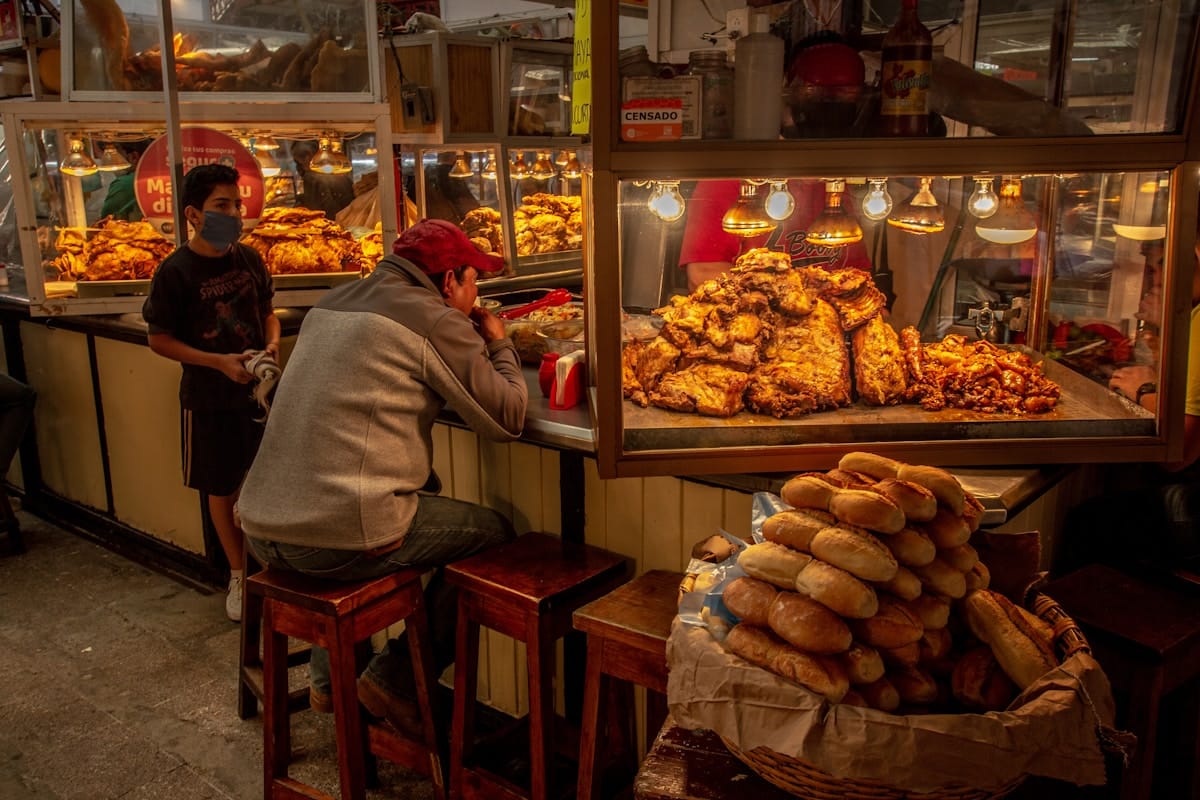
Puebla has a stronger claim than almost any other Mexican city to being the country’s culinary capital. Three signature dishes trace their roots here - mole poblano, chiles en nogada, and cemitas - and the city’s position on the old trade route between Veracruz and Mexico City meant it absorbed ingredients from the Caribbean, Spain, and indigenous Nahua traditions simultaneously.
Top Food Experiences at a Glance
| Tour | Duration | Price (from) | Group Size | Highlights |
|---|---|---|---|---|
| Puebla Mole & Street Food Tour | 3 hrs | from $40 | Up to 12 | Mole poblano, cemitas, chile en nogada (seasonal), guide |
| Cooking Class: Poblano Cuisine | 3 hrs | from $65 | Up to 8 | Market visit, mole negro, chiles en nogada, hands-on |
| Puebla Artisan Chocolate Walk | 2 hrs | from $35 | Small group | Barrio del Artista, chocolate factories, mole shops |
| Puebla Market & Breakfast Tour | 2.5 hrs | from $30 | Up to 15 | Mercado La Acocota, fresh juices, traditional breakfast |
Browse all Puebla food experiences → GetYourGuide
Where to eat
| Restaurant | Location | What to order | Approx. price |
|---|---|---|---|
| Fonda de Santa Clara | 3 Poniente 920 | Mole poblano, chiles en nogada | Mains MXN $120–200 |
| El Mural de los Poblanos | 16 de Septiembre 506 | Traditional Pueblan cuisine | Mains MXN $150–280 |
| Augurio | 9 Oriente 16 | Contemporary Mexican | Tasting menu from MXN $1,200 |
| Mercado El Alto | Av. 4 Pte at 3 Norte | Mole, cemitas, memelas | MXN $40–90 per meal |
| Mercado de la Victoria | 14 Poniente | Cemitas, antojitos | MXN $30–70 per meal |
| Chalupa stands (centro) | Near Zócalo | Chalupas | MXN $5–10 each |
All prices approximate, as of 2026.
Mole poblano
The flagship dish of Puebla is mole poblano - a dark, complex sauce made from over 20 ingredients including dried chiles (mulato, ancho, pasilla), chocolate, raisins, almonds, sesame seeds, cumin, and cinnamon. A proper mole takes hours to prepare and is traditionally served over turkey (guajolote en mole) or chicken. Approximately MXN $100–180 per serving at sit-down restaurants; MXN $60–90 at market fondas.
Fonda de Santa Clara (3 Poniente 920) has served definitive mole since the 1960s - the sauce recipe has been handed down through generations. The restaurant occupies a colonial building with tiled walls and a traditional atmosphere. Open daily for lunch and dinner. El Mural de los Poblanos (16 de Septiembre 506) does a slightly elevated version in a dining room with murals depicting Pueblan history - more refined presentation, higher price (mains approximately MXN $150–280). Market versions at Mercado El Alto are cheaper and equally authentic - the ground-floor fondas serve mole as part of a comida corrida (set lunch with soup, rice, beans, and drink for approximately MXN $60–80).
Chiles en nogada
The most celebrated seasonal dish in Mexican cuisine: poblano peppers stuffed with picadillo (minced pork cooked with peach, pear, apple, pine nuts, and raisins), topped with walnut cream sauce (nogada) and pomegranate seeds. The colours represent the Mexican flag - green, white, red. Available only from late July through September when fresh walnuts and pomegranates are in season. Approximately MXN $150–250 per serving.
Avoid ordering it outside the season - any restaurant serving it year-round is using frozen or substitute ingredients. El Mural de los Poblanos and La Casita Poblana (near the Zócalo) are reliable sources during season. Some restaurants make it with the pepper battered and fried (capeado), others leave the pepper bare - both are traditional.
Cemitas
A Puebla-specific sandwich and one of Mexico’s great regional street foods. The cemita roll is a dense, sesame-topped bread (different from a telera or bolillo) filled with milanesa (breaded and fried meat - pork, chicken, or beef), avocado, quesillo (Oaxacan string cheese), chipotle peppers, and pápalo (a pungent, slightly bitter herb that is essential to the authentic flavour). Approximately MXN $50–80.
The Mercado de la Victoria and Mercado El Alto have dedicated cemita stalls - look for the stands with the longest queues. The stalls at Mercado de la Victoria tend to be the most traditional. Some stalls also offer cemitas with leg (pata) or head (cabeza) meat for more adventurous eaters.
Chalupas
A specific Puebla street food: small oval masa bases (smaller than a tostada), cooked on a comal until crisp at the edges, then topped with green or red salsa, shredded pork, and crumbled cheese. Sold from dedicated chalupa stands throughout the city centre - typically MXN $5–10 each, ordered by the half-dozen. The stands near the Zócalo and on Calle 6 Sur are the most established. Chalupas are a quick snack, not a full meal - order 6–8 to fill up.
Molotes
Small fried masa pockets filled with potato and chorizo, served with green salsa and crumbled cheese. A common street food found at market entrances and near bus stops. Approximately MXN $15–25 for 3–4 pieces. The outside should be crisp and golden; the inside soft and savoury.
Memelas
Oval masa cakes cooked on a comal, spread with beans, and topped with green or red salsa, cheese, and sometimes cecina (dried salted meat). A cheap breakfast staple - find them at the food sections of Mercado El Alto early in the morning (approximately MXN $20–30 each). The best memelas are made with freshly pressed masa and cooked to order.
Dulces poblanos (Puebla sweets)
Puebla has a strong tradition of convent sweets - confections originally made by nuns in colonial-era convents. Camotes (sweet potato candies in fruit flavours, approximately MXN $30–50 per box) are the most famous. Borrachitos (small jelly-like sweets soaked in liqueur, approximately MXN $40–60 per box) are equally popular. The Calle de los Dulces (6 Oriente, also called Calle del Dulce) is an entire street of sweet shops selling these and other traditional confections - tortitas de Santa Clara, macarrones, and muéganos.
What to drink
Pasita - a Puebla-specific drink: dark raisin liqueur served in a tiny glass with a cube of cheese and a raisin on a toothpick. The original bar, La Pasita (5 Oriente 602), has been serving this since 1916 and is an institution - the bar is standing-room only, covered in bottles and memorabilia. One pasita costs approximately MXN $30. Worth a visit even if you only stay for one drink.
Agua de horchata and agua de Jamaica are the standard non-alcoholic accompaniments at meals. Fresh fruit waters (aguas frescas) at the markets are excellent - try tuna (prickly pear) or guanábana (soursop) when available. Approximately MXN $15–25 per glass.
Pulque - the pre-Hispanic fermented agave drink - is available at traditional cantinas. Thick, slightly sour, and an acquired taste. Some places serve it flavoured with fruit (curado). From approximately MXN $20–40 per glass.
Plan your trip: tours in Puebla.