Puebla Travel Guide
Puebla travel guide: mole poblano, Talavera tiles, Cholula pyramid, and a colonial city two hours from Mexico City with excellent food.
Guides for Puebla
Puebla is two hours southeast of Mexico City by bus - close enough for a day trip but rewarding enough for a longer stay. The city has one of Mexico’s best-preserved colonial centres, is the origin of mole poblano and chiles en nogada, and sits in the shadow of Popocatépetl, Mexico’s most active volcano. Puebla has a stronger claim than almost any other Mexican city to being the country’s culinary capital.
Key sights
| Sight | Entry Fee | Hours | Notes |
|---|---|---|---|
| Catedral de Puebla | Free | Daily 7:00–20:00 | Tallest cathedral towers in Mexico, onyx altar |
| Museo Amparo | ~MXN $80 | Tue–Sun 10:00–18:00 | Pre-Hispanic + colonial collections. Free Sundays |
| Biblioteca Palafoxiana | ~MXN $45 | Tue–Sun 10:00–17:00 | 17th-century library, UNESCO Memory of the World |
| Great Pyramid of Cholula | ~MXN $85 | Tue–Sun 9:00–17:30 | Largest pyramid by volume in the world |
| Uriarte Talavera factory | Free (tour) | Mon–Fri 10:00–14:00 | Live production process, certified Talavera |
| Callejón de los Sapos | Free | Open-air (weekends best) | Antiques and crafts market district |
All prices approximate, as of 2026.
The historic centre
The Zócalo is one of the largest main squares in Mexico, flanked by the Catedral de la Inmaculada Concepción - a 16th-century building with the tallest cathedral towers in Mexico and an interior rich with Talavera tile and carved stone. The onyx altar and carved wooden choir stalls are highlights.
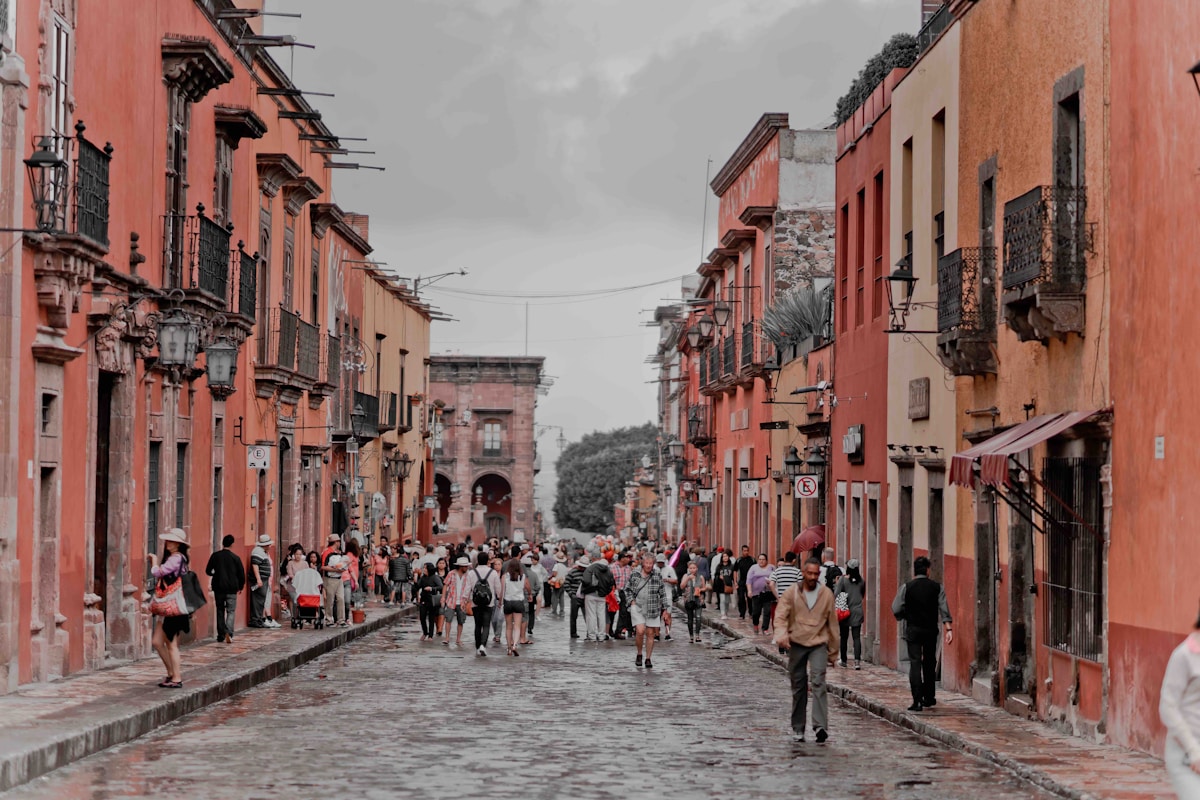
The streets radiating from the Zócalo are lined with Talavera-tiled facades - the distinctive blue-and-white ceramic style has been produced in Puebla since the 16th century. The Barrio del Artista is a small pedestrian zone where local painters work and sell from their studios. Callejón de los Sapos (Alley of the Frogs) is a compact antiques and crafts market district, most active on weekends.
Talavera
Puebla is the centre of certified Talavera ceramic production in Mexico. The Uriarte Talavera factory (founded 1824) offers free tours showing the entire production process - moulding, hand-painting, firing. Tours run on weekdays, no booking needed. The factory shop sells certified Talavera at factory prices: tiles from approximately MXN $50, plates from approximately MXN $200, serving sets from approximately MXN $1,500+.
Authentic Talavera is certified by a denominación de origen - look for the certification mark. Much of what is sold as “Talavera” elsewhere in Mexico is uncertified imitation.
Where to stay
| Zone | Budget | Mid-range | Luxury |
|---|---|---|---|
| Centro Histórico | Hostels from ~MXN $200/night | Hotels from ~MXN $700/night | Boutique from ~MXN $2,500/night |
| Cholula | Hostels from ~MXN $250/night | Hotels from ~MXN $800/night | From ~MXN $2,000/night |
Named properties: In Centro, Hostel Casona Poblana (dorms from approximately MXN $200/night). Hotel Colonial (from approximately MXN $900/night, on the Zócalo). Casona María (boutique, from approximately MXN $2,000/night, restored colonial mansion). Hotel Cartesiano (design hotel, from approximately MXN $3,000/night, modern interiors in a historic building). In Cholula, Hotel La Quinta Luna (boutique, from approximately MXN $2,000/night, converted hacienda near the pyramid).
Food
Puebla is genuinely one of the best food cities in Mexico. Mole poblano - a dark, complex sauce of 20+ ingredients including dried chillies, chocolate, raisins, almonds, and spices - is the flagship dish (approximately MXN $100–180 per serving). Chiles en nogada (stuffed poblano peppers in walnut cream with pomegranate, available August–September only, approximately MXN $150–250) is the most celebrated seasonal dish in Mexican cuisine. Cemitas (sesame-roll sandwiches, approximately MXN $50–80) are the street food staple.
Fonda de Santa Clara (3 Poniente 920, open since the 1960s) does definitive mole. El Mural de los Poblanos (16 de Septiembre 506) is the most ambitious traditional restaurant. The Mercado El Alto has the cheapest and most authentic options.
Cholula (15 minutes west)
The town of Cholula sits on top of the Great Pyramid of Cholula (Tlachihualtepetl) - the largest pyramid by volume in the world (base 450 m per side, larger than Khufu in Egypt). The Spanish built the Iglesia de Nuestra Señora de los Remedios directly on top in 1594. Entry approximately MXN $85. Open Tuesday–Sunday 9 am–5:30 pm. Explore the excavated tunnels (4 km through the interior) and climb to the church at the summit - on clear days, Popocatépetl and Iztaccíhuatl volcanoes are visible from the top.
Colectivos from Puebla run frequently (approximately MXN $15, 20 minutes). Taxi approximately MXN $80–120.
Getting there
From Mexico City: Estrella Roja and ADO buses from TAPO terminal, every 20–30 minutes (approximately MXN $200–300, 2 hours). ADO GL is the most comfortable class.
Airport: Puebla’s Hermanos Serdán International Airport (PBC) has limited connections. Most visitors arrive by bus from CDMX.
Within the city: The centre is walkable. Uber is available and affordable. Taxis are metered.
When to go
Year-round city at 2,135 m elevation - similar climate to Mexico City (mild, dry winters, rainy summers). Cinco de Mayo (5 May) is the biggest celebration here - it commemorates the 1862 Battle of Puebla, fought locally. August–September for chiles en nogada season. Semana Santa brings elaborate religious processions but also significant crowds.
More Puebla Guides
- Day Trips in Puebla
- Food to Try in Puebla
- Things to Do in Puebla
- Best Tours in Puebla - Cholula pyramid, Tlaxcala and colonial Puebla tours
Plan your trip: tours in Puebla · flights to Mexico · travel insurance · eSIM for Mexico.
See Also
- Mexico City Travel Guide - 2 hours northwest, the capital and most common arrival point
- Veracruz Travel Guide - 3 hours east through the mountains, on the same colonial highway
- Taxco Travel Guide - the silver town, reachable on the same Mexico City–Acapulco corridor
- Street Food Guide to Mexico - where Puebla’s mole, cemitas, and chalupas fit in national food culture
- Regional Cuisines of Mexico - Pueblan cuisine’s place in Mexico’s food regions
Book an experience
Top experiences in Puebla
Explore the best tours and activities in Puebla, with instant confirmation and free cancellation on most bookings.
Find hotels in Puebla
Compare rates and availability across hundreds of options, free cancellation on most.
Browse hotels in Puebla →Affiliate link; commission earned at no cost to you.