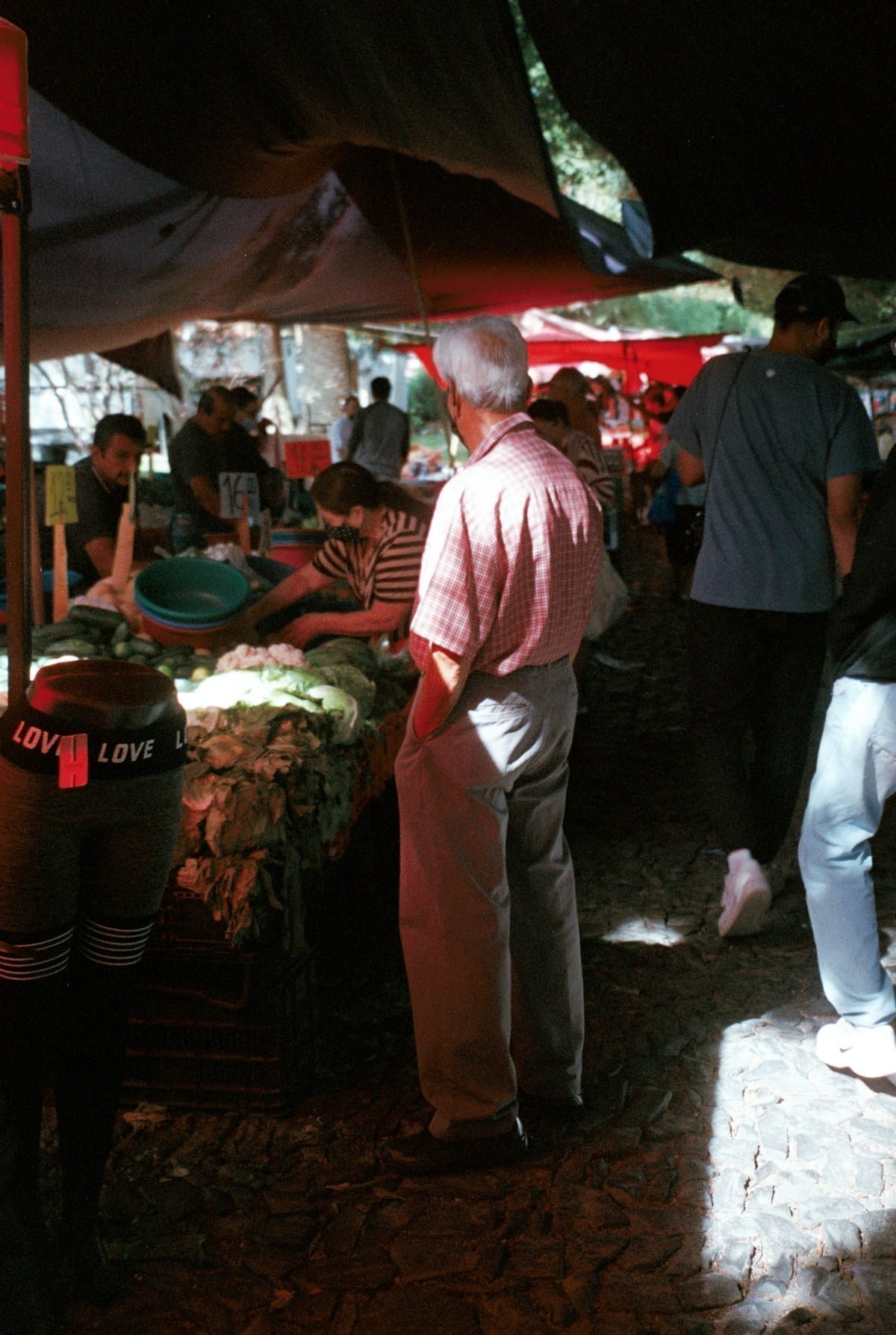
Guadalajara is one of the strongest food cities in Mexico - the origin of birria (now internationally famous), the birthplace of tortas ahogadas, and the city that gave the world tequila. The best eating is at the markets and morning street stalls rather than the tourist-facing restaurants.
Top Food Experiences at a Glance
| Tour | Duration | Price (from) | Group Size | Highlights |
|---|---|---|---|---|
| Guadalajara Birria & Taco Tour | 3 hrs | from $40 | Up to 15 | Best birria spots, torta ahogada tasting, local guide |
| Cooking Class: Jalisco Cuisine | 3 hrs | from $65 | Up to 8 | Market visit, birria, pozole, hands-on cooking |
| Tequila Distillery Tour & Tasting | Full day | from $75 | Up to 20 | Tequila town, blue agave fields, 3+ distillery visits |
| Guadalajara Food & Cantina Walk | 2.5 hrs | from $45 | Small group | Mercado San Juan de Dios, traditional cantinas, snacks |
Browse all Guadalajara food experiences → GetYourGuide
Where to eat
| Restaurant | Location | What to order | Approx. price |
|---|---|---|---|
| Birriería El Chololo | Calle Independencia | Birria de res, consommé | MXN $80–120 per bowl |
| Las Famosas 9 Esquinas | Barrio de Analco | Birria, carne en su jugo | MXN $80–150 |
| El Güero de la 8 | Mercado Medrano | Torta ahogada | MXN $40–60 |
| Mercado Libertad food court | Centro (ground floor) | Birria, tortas, jugos | MXN $50–100 per meal |
| Mercado Corona fondas | Centro | Comida corrida | MXN $60–80 per meal |
| La Chata | Corona 126, Centro | Traditional Jalisco platters | Mains MXN $120–250 |
| Alcalde | Av. México 2903, Americana | Modern Mexican tasting menu | Tasting menu from ~MXN $1,800 |
| Café Palreal | Chapultepec | Coffee, breakfast | MXN $80–150 |
All prices approximate, as of 2026.
Birria
The dish that launched a thousand trucks: goat (traditionally) or beef slow-braised in a guajillo-chile and spice broth until the meat falls apart. Guadalajara’s version is typically served as birria de res (beef) in a deep bowl of consommé, with onion, cilantro, lime, and tortillas for dipping. A serving costs approximately MXN $80–120.
Birriería El Chololo (Calle Independencia) is among the oldest institutions - operating since the 1940s, serving birria from large clay pots. Las Famosas 9 Esquinas in the Analco neighbourhood is another landmark, with a wider menu including carne en su jugo (beef in its own juice - another Guadalajara original).
For birria tacos (the style that went internationally viral), the tacos are dunked in the fat that rises off the broth and griddled until crisp, then dipped again before eating (hence “quesabirria”). The best are at street-level stands in the market area on Sunday mornings - approximately MXN $25–40 per taco.
Torta ahogada
A Guadalajaran invention and the city’s most distinctive street food: a crusty birote salado roll (a specific bread style unique to Guadalajara, with a harder crust and more acidic flavour than a standard bolillo, attributed to the city’s altitude and local yeast) filled with carnitas (braised pork), then submerged - “drowned” (ahogada) - in a red chile sauce. The sauce comes in mild or very spicy versions; specify “media ahogada” (half-drowned) for a middle ground, or “bien ahogada” for the full experience.
El Güero de la 8 at Mercado Medrano is the classic spot - approximately MXN $40–60. Street vendors throughout the Centro sell them from carts, particularly in the morning.
Carne en su jugo
Another Guadalajara original: thinly sliced beef simmered in a broth of its own juices with bacon, beans, cilantro, and onion. Served with tortillas for dipping. A hearty, restorative dish available at market fondas and birrerías. Las Famosas 9 Esquinas and Karne Garibaldi (which holds a Guinness record for fastest service) are the best-known spots. Approximately MXN $100–150 per serving.
Tejuino
The street drink of Guadalajara: cold fermented corn masa with lime juice, a scoop of lemon ice cream or slush, chilli powder, and salt. Non-alcoholic (or very mildly so). Sold from carts throughout the city for approximately MXN $20–40. The flavour combination requires a moment of commitment - sweet, sour, salty, and slightly fermented - but it becomes addictive. Most common in the afternoon heat.
Pozole rojo
Hominy corn soup with pork in a dried-chile broth, topped with shredded cabbage, sliced radish, oregano, and lime. A traditional Sunday dish in Jalisco - most market fondas and family restaurants serve it on Sundays. Approximately MXN $80–120 per bowl.
Markets
Mercado Libertad (San Juan de Dios) - the largest indoor market in Latin America spans several floors. The food section (ground floor, east side) is the best single place to eat cheaply in Guadalajara. Birria, tortas ahogadas, fresh juices (approximately MXN $20–40), cemitas, and hot chocolate are all available. Open daily 6 am–8 pm.
Mercado Corona - in the Centro Histórico, smaller and calmer. Good for comida corrida (approximately MXN $60–80), fresh juices, and chillies. The juice stands here make excellent licuados (fruit-and-milk blended drinks).
Where to eat in the neighbourhoods
Barrio de Analco - the old neighbourhood across Calzada Independencia from the Centro. Authentic restaurants with fewer tourists and lower prices than the historic centre. Las Famosas 9 Esquinas is the anchor.
Chapultepec / Colonia Americana - the modern restaurant and nightlife district. Higher prices but good quality: Alcalde (Avenida México 2903, tasting menus from approximately MXN $1,800) is considered one of Mexico’s best restaurants. Café Palreal is a solid breakfast option. Numerous craft cocktail bars and mezcalerías line Avenida Chapultepec.
Plaza de los Mariachis - specifically for the experience of eating tacos or a torta while mariachi bands play around you, table by table. Tourist-facing but genuine. Tip approximately MXN $100–200 per song. The food is secondary to the atmosphere.
What to drink
Tequila - Guadalajara is the gateway to tequila country. Bars across the city serve a huge range. A pour of blanco (unaged) costs approximately MXN $50–80; reposado approximately MXN $80–120; añejo approximately MXN $120–250. A tasting flight of three typically runs MXN $200–400.
Raicilla - a lesser-known agave spirit from the Jalisco sierra, related to mezcal but fruitier and less smoky. Gaining popularity in Guadalajara’s bar scene. A pour from approximately MXN $80–150.
Tejuino - see above. The quintessential Guadalajara street drink.
Craft beer - Guadalajara has a growing craft scene. Cervecería Loba and Cervecería Minerva are local breweries with taprooms. Pints from approximately MXN $70–120.
Plan your trip: tours in Guadalajara.