Guadalajara is well-positioned for day excursions - the tequila route, Mexico’s largest lake, highland mountain towns, deep canyons, and the craft districts of Tlaquepaque and Tonalá are all within two hours.
Quick comparison
| Day Trip | Distance | Transport | Cost | Time Needed |
|---|---|---|---|---|
| Tequila town | 65 km NW | Bus ~MXN $80, or train | Train from ~MXN $1,200 | Half to full day |
| Tlaquepaque + Tonalá | 8–12 km SE | Uber ~MXN $60, or colectivo | Free (browsing) | Half day |
| Lake Chapala / Ajijic | 50 km SE | Bus ~MXN $60 | Free (town) | Half to full day |
| Tapalpa | 140 km SW | Bus ~MXN $150 | Free (town) | Full day or overnight |
| Barranca de Huentitán | 10 km N | City bus ~MXN $10 | Free (viewpoint) | 2–4 hours |
| Mazamitla | 130 km S | Bus ~MXN $120 | Free (town) | Full day or overnight |
| Guachimontones | 80 km W | Car or tour | ~MXN $80 entry | Half day |
| Laguna de Cajititlán | 40 km S | Car/Uber | Free | 2–3 hours |
All prices approximate, as of 2026.
Top Day Trip Tours at a Glance
| Tour | Duration | Price (from) | Group Size | Highlights |
|---|---|---|---|---|
| Tequila town & distillery tour from Guadalajara | Full day | from $65 | Up to 20 | Agave fields, La Rojeña, 4 tastings |
| Lake Chapala & Ajijic day trip | 6 hrs | from $45 | Up to 15 | Mexico’s largest lake, malecón, boat tour |
| Tlaquepaque craft & culture tour | 4 hrs | from $35 | Up to 15 | Blown glass studios, talavera, El Parián square |
| Guachimontones pyramids day trip | 6 hrs | from $50 | Up to 15 | Circular pre-Columbian pyramids, museum |
| Tapalpa mountain town excursion | Full day | from $55 | Up to 12 | Pine forest, Las Piedrotas, quesillo tasting |
Browse all Guadalajara tours → GetYourGuide
Tequila (65 km northwest, 1.5 hours)
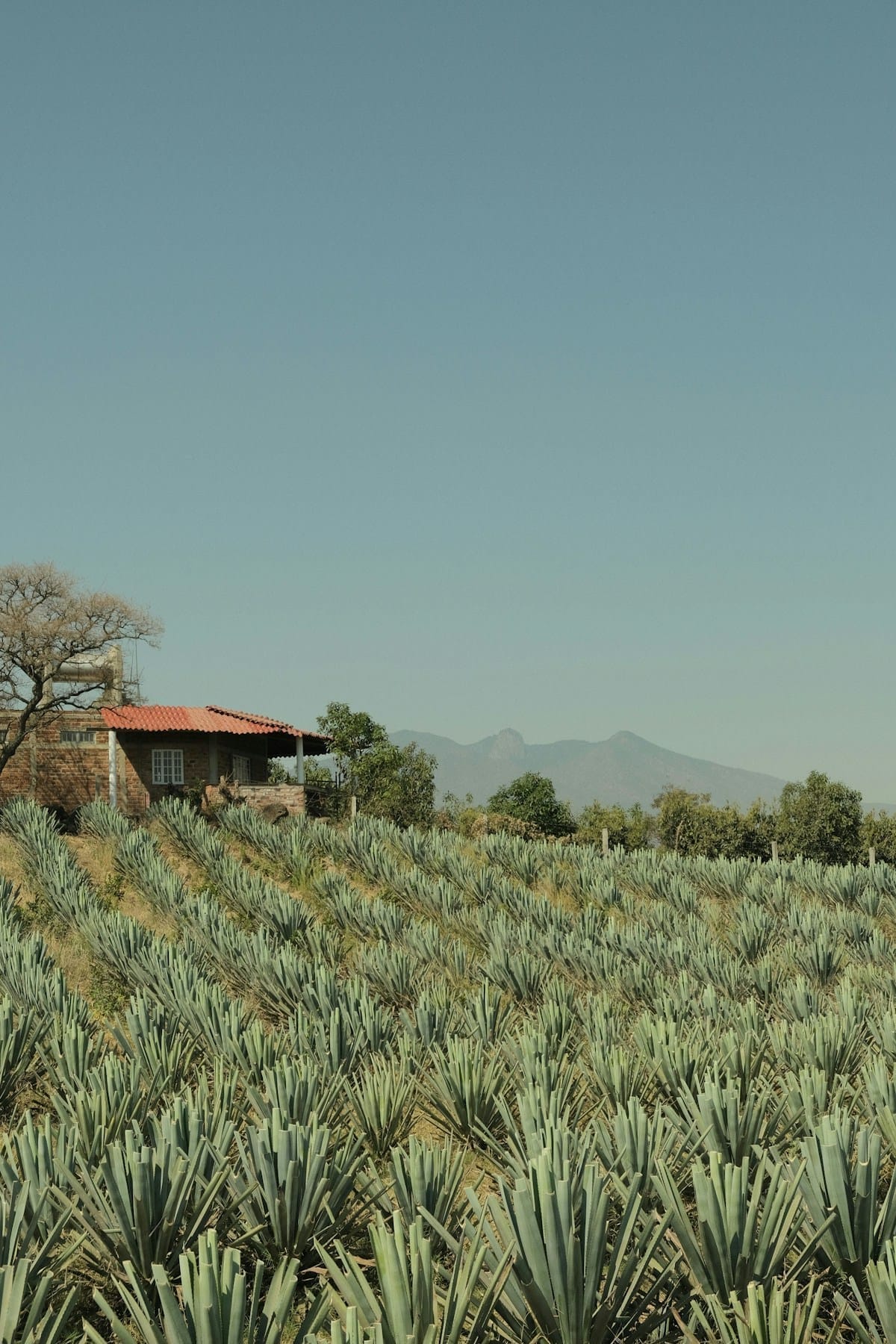
The town of Tequila is the centre of the agave distilling industry, surrounded by the blue agave fields that form a UNESCO World Heritage agave landscape - rows of spiny blue-green agave stretching in every direction. The landscape alone is worth the trip.
Distilleries
| Distillery | Tour Price | Notes |
|---|---|---|
| La Rojeña (José Cuervo) | From ~MXN $200 | Oldest operating distillery in the Americas. Tourist-oriented |
| Herradura | From ~MXN $250 | More artisan focus, excellent premium tequilas |
| Sauza | From ~MXN $200 | Second-largest producer, comprehensive tours |
| Smaller artisan producers | Free–MXN $150 | Ask locally. Less polished, more authentic |
Tours typically last 1–2 hours and include tasting (3–5 varieties from blanco to añejo). Most distilleries operate tours daily 10 am–4 pm.
Getting there
José Cuervo Express train - runs on weekends from Guadalajara’s Paco Garibaldi station. All-inclusive with distillery tours, tasting, mariachi music, and food. From approximately MXN $1,200 (express class) to MXN $3,250 (premium plus). Departures at approximately 8 am, returning by 7 pm. Book at least a week in advance - sells out during high season.
By bus: Local buses from the old bus terminal (approximately MXN $80 each way, 1.5 hours). Departures every 30–60 minutes.
By car: Highway 15D west, then Highway 15 through the agave fields. Rental from approximately MXN $500–800/day.
Tlaquepaque and Tonalá (8–12 km southeast)
Two craft towns on the southeastern edge of the Guadalajara metro area, now effectively absorbed into the city but retaining distinct character.
Tlaquepaque (San Pedro Tlaquepaque) - pedestrianised streets lined with galleries, ceramic workshops, blown-glass studios, and quality artisan shops. The main products: hand-blown glass (drinking glasses, vases, ornaments - from approximately MXN $50 for small pieces), talavera ceramics (plates, tiles, serving bowls - from approximately MXN $100), papier-mâché figures, and silver jewellery. The El Parián square has mariachi bands playing for diners - more atmospheric on weekends. Best on Saturdays and Sundays.
Tonalá - larger, more production-oriented, and significantly cheaper than Tlaquepaque. Furniture, ironwork, pottery, and ceramics. The Thursday and Sunday street market (Mercado de Artesanías) covers much of the town centre and is one of the best craft shopping opportunities in western Mexico. Bargaining is expected.
Getting there: Uber from Centro approximately MXN $60–100, or colectivos from the Centro approximately MXN $10. Visit Tlaquepaque in the morning, Tonalá in the afternoon (or focus on one).
Lake Chapala (50 km southeast, 1 hour)
At 1,100 km², Lake Chapala is Mexico’s largest natural lake, sitting in the high valley of the Trans-Volcanic Belt. The lakeside town of Ajijic (pronounced “ah-hee-HEEK”) has a significant North American expat community, a walkable malecón along the lakeshore, art galleries, and good restaurants. The town of Chapala (5 km east) has boat tours on the lake (approximately MXN $100–200 per person, 30–60 minutes).
Getting there: Buses from Guadalajara’s old bus terminal to Chapala/Ajijic run hourly (approximately MXN $60, 1 hour). By car, the drive is approximately 45 minutes via Highway 44.
The area is pleasant for a half-day visit - lunch at one of the lakeside restaurants in Ajijic (mains approximately MXN $120–250), a walk along the malecón, and boat ride if time allows. The lake level fluctuates seasonally; the water is most full after the rainy season (October–December).
Tapalpa (140 km southwest, 2 hours)
A pine-forested highland town in the Sierra del Tigre at 2,000 m elevation - a dramatic shift from Guadalajara’s subtropical feel. The town itself is attractive: whitewashed buildings with red-tile roofs, cobblestone streets, a handsome main plaza, and a cool mountain climate.
What to see: Las Piedrotas - a volcanic rock formation about 5 km from town (taxi approximately MXN $60 or walk). The surrounding countryside has horse riding (from approximately MXN $200–400 per hour), hiking trails through pine forest, and Valle de los Enigmas (unusual rock formations). The town has a local quesillo (string cheese) tradition and small-scale cheese production - buy fresh from shops around the plaza.
Getting there: Buses from Guadalajara’s new bus terminal (approximately MXN $150, 2 hours). Day trips are possible but an overnight stay gives a better experience - the town is most atmospheric in the evening after day visitors leave. Hotels from approximately MXN $600/night.
Barranca de Huentitán (10 km north)
One of the deepest canyons in Mexico runs through the northern edge of greater Guadalajara - the Barranca de Oblatos and Barranca de Huentitán, two parallel canyons separated by a promontory, 600 m deep at the most dramatic point.
Parque Mirador Independencia - the best viewpoint, accessible by city bus from the Centro (approximately MXN $10). Free entry. The panoramic view into the canyon is striking, particularly in the morning light. For the adventurous, a trail descends to the canyon floor - 3–4 hours return, steep and strenuous, with no facilities at the bottom. Bring water and proper shoes.
The Zoológico Guadalajara (entry approximately MXN $100, open Tue–Sun 10 am–5 pm) sits on the canyon rim with views into the gorge - a reasonable option for families.
Mazamitla (130 km south, 2 hours)
Another mountain pueblo, dubbed the “Mexican Switzerland” for its Swiss chalet-style wooden buildings, pine forests, and cool climate at 2,200 m. Smaller and quieter than Tapalpa. Good for hiking, horse riding, and cabin retreats. Buses from Guadalajara approximately MXN $120, 2 hours. Better as an overnight trip - cabins from approximately MXN $800/night.
Guachimontones Pyramids (80 km west, 1.5 hours)
The Guachimontones archaeological zone near Teuchitlán contains one of the most architecturally unusual pre-Columbian sites in Mexico. The pyramids here are circular - a form nearly unique to the Teuchitlán culture, which flourished in the region from roughly 300 BCE to 900 CE. The main structure (Círculo 2) rises about 18 metres and sits at the centre of a flat circular platform ringed by smaller mounds and a ball court.
Admission approximately MXN $80 as of 2026. The on-site museum covers the circular temple tradition and shaft tombs found throughout Jalisco. Allow around two hours at a relaxed pace. The nearest town, Teuchitlán (4 km from the entrance), has basic restaurants for lunch.
Getting there: Without a car, take a bus to Tala then a local colectivo - total around two hours. Most visitors rent a car (approximately MXN $700–900/day including insurance) or book a guided tour from Guadalajara operators (approximately USD 55–80 including transport and entrance).
Laguna de Cajititlán (40 km south)
Less visited than Lake Chapala, Laguna de Cajititlán sits about 40 minutes south of Guadalajara near the town of Tlajomulco. The lake is smaller and quieter - a good secondary stop if you’re already heading south towards Chapala. Boat rentals approximately MXN $200–350/hour. On weekends, local families set up food stalls selling birria, pescado, and fresh aguas frescas along the shoreline. Best in the late afternoon for dusk views across the water.
Combining day trips
Eastern circuit: Tlaquepaque (morning) → Tonalá (early afternoon) → Lake Chapala / Ajijic (late afternoon) - all southeast of Guadalajara and combinable by car or colectivo in a single day.
Western circuit: Tequila town fills a full day on its own, especially by train. The agave landscape en route is worth slow stops for photographs.
The mountain towns (Tapalpa, Mazamitla) are in opposite directions from Guadalajara and better as individual overnight trips.
Plan your trip: tours in Guadalajara · car hire · travel insurance.
More Guadalajara Guides
- Back to Guadalajara Guide
- Food to Try in Guadalajara
- Things to Do in Guadalajara
- Where to Stay in Guadalajara
Search hotels in Guadalajara on Booking.com