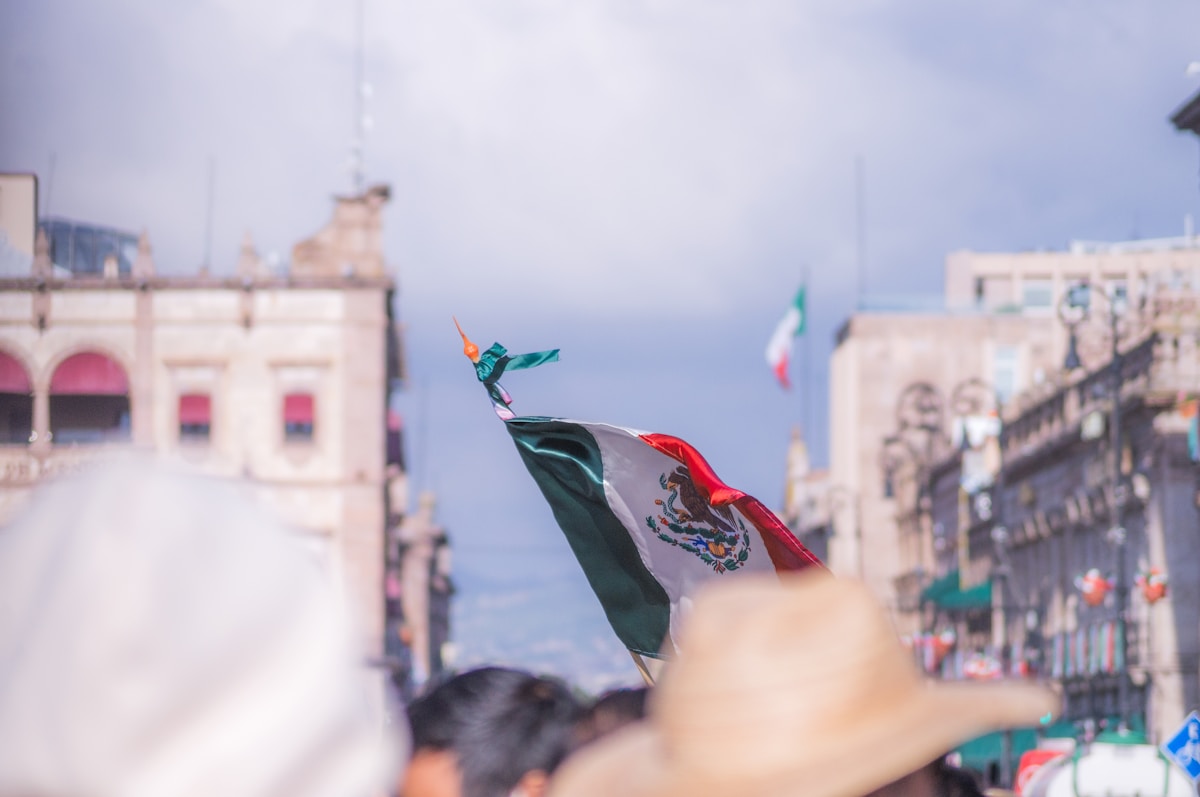
Michoacán is the only Mexican state cuisine with UNESCO Intangible Cultural Heritage status (2010). Morelia is its capital and the best place to eat your way through what that means in practice: carnitas cooked in copper vats, corn-based tamales in multiple forms, and a sweets tradition that has been operating out of the same portales since the 17th century.
Top Food Experiences at a Glance
| Tour | Duration | Price (from) | Group Size | Highlights |
|---|---|---|---|---|
| Morelia Food & Market Walk | 3 hrs | from $35 | Up to 12 | Carnitas michoacanas, uchepos, Mercado de Antojitos, guide |
| Cooking Class: Michoacán Cuisine | 3 hrs | from $60 | Up to 8 | Sopa tarasca, corundas tamales, hands-on cooking |
| Morelia Chocolate & Sweets Tour | 2 hrs | from $30 | Small group | Colonial chocolatiers, cajeta, ates de frutas |
| Wine & Cheese Tasting from Morelia | 2.5 hrs | from $50 | Small group | Michoacán cheeses, local wines, guided pairings |
Browse all Morelia food experiences → GetYourGuide
Where to eat
| Restaurant | Location | What to order | Approx. price |
|---|---|---|---|
| Mercado San Juan | Centro | Carnitas, uchepos, everything | Meals MXN $40–100 |
| Lu Cocina Michoacana | Centro | Refined Michoacán cuisine | Mains MXN $150–250 |
| Los Mirasoles | Centro (Madero) | Traditional Michoacán | Mains MXN $120–200 |
| Fonda Marceva | Near Colegio | Budget comida corrida | Meals MXN $50–80 |
| Portal Galeana sweet stalls | Main plaza | Ates, cocadas, dulces | MXN $20–60/piece |
| Güero’s Carnitas | Multiple | Carnitas by the kilo | MXN $80–150/quarter kilo |
| Tata Mezcalería | Capuchinas | Mezcal, small plates | MXN $80–150/copa |
All prices approximate, as of 2026.
Carnitas michoacanas
The Michoacán style of carnitas is the benchmark against which all others in Mexico are measured. The technique involves simmering pork - every cut, including buche (stomach), cueritos (skin), maciza (lean meat), costilla (ribs), and lengua (tongue) - in large copper pots (cazos de cobre) with lard, orange, Coca-Cola, and spices until confit-soft. The copper is not decorative - it conducts heat evenly and is considered essential to the flavour.
Sold by weight: a quarter kilo (cuarto) is a standard individual portion, served on paper with tortillas and salsas alongside. A full kilo (approximately MXN $300–500) feeds a group.
Where: Mercado San Juan has the best and cheapest carnitas stalls on the ground floor. Arrive before 1 pm - the premium cuts sell out. Weekend mornings (Saturday and Sunday, from 8–9 am) are peak carnitas time, and the atmosphere is lively. Outside the market, Güero’s Carnitas (multiple locations) is a reliable chain.
What to order: Start with maciza (lean, the safest bet) and costilla (ribs, more flavour). If you are adventurous: buche (stomach, chewy and rich) and cueritos (skin, crispy-soft). Ask for surtido (mixed) and let the vendor choose.
Uchepos
Fresh corn tamales - made with tender young corn (elote) ground to a paste with cream and a touch of sugar, wrapped in corn husks and steamed. The result is softer, more delicate, and slightly sweet compared to standard masa tamales. The corn flavour should be front and centre - the best uchepos taste of the field.
Served with crema and salsa verde. Some versions include a strip of rajas (poblano pepper). Found at market stalls and traditional fondas throughout the city; Mercado San Juan is the most reliable source. Approximately MXN $30–50 each. The season for the best uchepos is July–September when the fresh corn is at its peak.
Corundas
Triangle-shaped tamales wrapped in the corn plant leaf (not the husk) - the shape comes from the folding technique. The masa is mixed with baking soda, giving a lighter, spongier texture than standard tamales. Served with crema, salsa, and sometimes refried beans.
Corundas are a Purépecha (Tarascan) staple - the indigenous origin is genuine and the preparation predates the Spanish colonial period. Available at market stalls and breakfast counters throughout Morelia. Approximately MXN $25–40 each.
Sweets: ate and dulces de Morelia
Morelia has one of Mexico’s most concentrated confectionery traditions. The Portal Galeana on the main plaza has sweet stalls that have operated for generations - some claim centuries. The key items:
- Ate de membrillo - quince paste, dense and jewel-like, sliced and eaten with cheese or alone. The deep amber colour and firm texture are the marks of quality.
- Ate de guayaba - guava paste, similar preparation
- Cocadas - coconut sweets, shredded coconut cooked with sugar to various textures
- Buñuelos - fried pastry discs drizzled with piloncillo (raw cane sugar) syrup
- Chongos zamoranos - a milk dessert: curdled milk cooked slowly with cinnamon and sugar. Originally from nearby Zamora, now widely available in Morelia.
Prices range from approximately MXN $20–60 per piece. The stalls sell by weight for larger quantities.
Morisqueta
A simple Michoacán rice dish: white rice, refried beans, and a meat sauce (usually pork or chicken in chile colorado - dried red chiles, rehydrated and blended). Humble, cheap, and found at market fondas. Not glamorous, but a genuine local staple that reflects everyday Michoacán eating. Approximately MXN $50–80 at market counters.
Sopa tarasca
A Michoacán tortilla soup: blended tomato and chile broth with strips of fried tortilla, cream, avocado, and fresh cheese. Richer and more complex than standard tortilla soup. Named after the Tarascan (Purépecha) people. Found at traditional restaurants throughout the city. Approximately MXN $60–80.
Hot Drinks: Morelia’s Colonial Beverage Traditions
Morelia takes its hot drinks as seriously as its food. Beyond café de olla, the city has three beverages worth seeking out specifically:
Atole - a warm, thick masa-based drink sweetened with piloncillo or sugar and flavoured with cinnamon, vanilla, or fruit. Available at market stalls and breakfast counters from early morning. Particularly popular on cold Morelia mornings - the city sits at 1,900 m and winter nights can be sharp. Order atole de guayaba (guava) or atole de zarzamora (blackberry) for the regional variations. Approximately MXN $20–35 per cup.
Champurrado - atole made with chocolate (cacao) rather than flavoured masa. Dense, sweet, and warming. The standard pairing with tamales at Mercado San Juan - vendors who sell uchepos and corundas usually have a clay pot of champurrado alongside. Approximately MXN $25–40.
Café de olla - coffee brewed in a clay pot with piloncillo and cinnamon. The traditional Mexican way of making coffee, and Morelia does it well. Found at market stalls and traditional breakfast spots. El Portal café on Avenida Madero serves a particularly good café de olla in a colonial-arcade setting; approximately MXN $35–55.
Mezcal - the Barrio de Capuchinas neighbourhood has a growing mezcal bar scene. Tata Mezcalería (Calle Aquiles Serdán, Capuchinas) is the standout - curated selection, knowledgeable staff, approximately MXN $80–150 per copa. Most bottles come from Michoacán producers using local agave varieties distinct from Oaxacan mezcal.
Charanda - a Michoacán sugarcane spirit similar to rum, produced in Uruapan and the Tierra Caliente region. Less refined than mezcal but distinctly local and protected by a Denomination of Origin. White charanda (blanco) is fiery and agricultural; aged versions (añejo) are smoother. Ask at bars in the Capuchinas area; expect to pay approximately MXN $60–100 per glass.
Navigating Mercado San Juan
Mercado San Juan is the practical centre of Morelia food culture. A few navigation tips for getting the most out of it:
Ground floor, east wing: Carnitas. This is where the copper vats operate from early morning - arrive before 10 am on weekends for the best cut selection. Look for the stalls with the largest copper cazos as a quality indicator; bigger operations turn over stock faster, which means fresher product.
Ground floor, north section: Tamale vendors. Uchepos and corundas are side by side - you can order a plate combining both to compare the textures directly. La Casa de los Tamales is one of the longest-operating stalls; the family has been here for three generations and the corundas are consistently the best in the market.
Upper level (if present) / entrance area: Fruit, chiles, spices, and dried goods. The Michoacán chile de árbol and ancho varieties are excellent to take home; they travel well and are difficult to find in this quality elsewhere. Approximately MXN $25–80 per 100g for dried chiles.
Market timings: The market opens at approximately 6 am and carnitas vendors set up by 7 am. The 8–11 am window is the sweet spot - full selection, active atmosphere, hot champurrado. After midday the best cuts are gone and the market quietens. The market operates daily with reduced hours on Sunday afternoons.
Eating by area
Mercado San Juan - the best all-around option. Carnitas, tamales, breakfast, comida corrida, sweets. Central location, lowest prices, highest authenticity. Go in the morning.
Portal Galeana / main plaza - the sweets tradition. Also has cafés for coffee and light meals under the arcades.
Barrio de Capuchinas - west of the historic centre, the growing restaurant and bar district. Popular with university students and longer-stay visitors. Mezcal bars, modern Mexican restaurants, and cafés.
Calzada Fray Antonio de San Miguel - the pedestrian boulevard along the aqueduct. Cafés and restaurants along both sides; the best setting for an evening meal in the city.
Practical notes
Timing: Mercado San Juan is busiest Saturday and Sunday mornings from 7–8 am, when the carnitas vats are full and all the tamale types are available. Arrive before 11 am for the best selection of cuts - the popular maciza and riñonada sell out first. Weekday mornings are quieter. The market operates daily, broadly 6 am–5 pm.
Getting around the food districts: Morelia’s historic centre is compact - Mercado San Juan, the main plaza (Portal Galeana), and the Calzada Fray Antonio de San Miguel are within a 15-minute walk of each other. Barrio de Capuchinas (for mezcal bars and modern restaurants) is 10 minutes west of the centre on foot.
Transport to Morelia: ADO and ETN buses connect Morelia to Mexico City (approximately MXN $300–500, 4 hours), Guadalajara (approximately MXN $200–350, 3 hours), and Pátzcuaro (approximately MXN $80–120, 1 hour). The central bus terminal (CAPU) is 3 km from the historic centre - take a taxi (approximately MXN $60–80) or local bus to the centre.
Budget breakdown: Market-only eating (carnitas, tamales, market lunch): approximately MXN $100–180/day. Mid-range restaurant meals at Los Mirasoles or Lu Cocina Michoacana: approximately MXN $300–500/day including drinks. Sweets at Portal Galeana are a budget addition - try at least the ate and a cocada for approximately MXN $40–60 total.
Plan your trip: tours in Morelia.