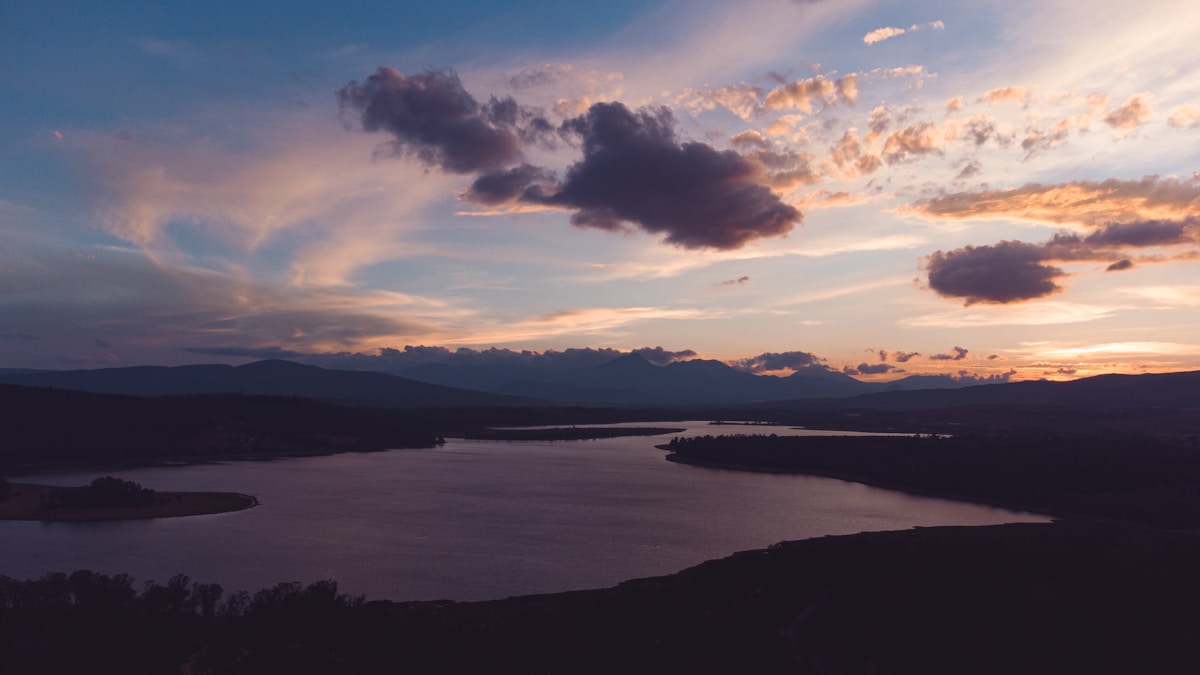
Morelia is centrally placed in Michoacán - most of the state’s main attractions are within 1–2.5 hours by road, and the diversity of day trips (butterflies, lakes, copper workshops, archaeological sites, volcanic landscapes) is exceptional.
Top Tours at a Glance
Here’s a quick comparison of top-rated guided tours on GetYourGuide:
| Tour | Duration | Price (from) | Group Size | Highlights |
|---|---|---|---|---|
| Pátzcuaro Lake + Janitzio Island Day Trip | Full day | from $55/person | Group | Lake boat, Purépecha island, Morelia Tarascan history |
| Monarch Butterfly Reserve Day Trip | Full day | from $80/person | Small group | El Rosario sanctuary (Nov–Mar), forest walk, guide |
| Zitácuaro + Angangueo Monarch Biosphere | Full day | from $75/person | Group | Butterfly colonies in oyamel forest, Sierra Chincua |
| Uruapan + Paricutín Volcano Day Trip | Full day | from $90/person | Small group | Cinder cone volcano, lava-covered village, horse trek |
Browse all Morelia tours → GetYourGuide
Day trip comparison
| Destination | Distance | Drive time | Cost | Season |
|---|---|---|---|---|
| El Rosario butterflies | 120 km NE | 2 hours | Entry ~MXN $60 | Nov–Mar |
| Sierra Chincua butterflies | 110 km NE | 2 hours | Entry ~MXN $60 | Nov–Mar |
| Pátzcuaro + Janitzio | 55 km W | 45 min | Boat ~MXN $50–80 | Year-round |
| Tzintzuntzan | 60 km W | 1 hour | Entry ~MXN $75 | Year-round |
| Santa Clara del Cobre | 75 km W | 1.5 hours | Free to visit | Year-round |
| Cuitzeo | 40 km N | 30 min | Convent ~MXN $30 | Year-round |
| Uruapan + waterfall | 130 km W | 2 hours | Entry ~MXN $60 | Year-round |
All prices approximate, as of 2026.
Monarch butterfly reserves (November–March)
Between November and March, hundreds of millions of monarch butterflies overwinter in the oyamel fir forests of the mountains northeast of Morelia. The butterflies migrate from the eastern United States and Canada - travelling up to 4,500 km - to roost in these specific forests at 2,800–3,400 m altitude. The sight of entire trees covered in orange-and-black wings, with clouds of butterflies rising when the morning sun warms the air, is one of Mexico’s greatest natural spectacles.
El Rosario (near Angangueo, 2 hours from Morelia) - the largest and most visited sanctuary. From the entrance, a moderate uphill walk (approximately 30–45 minutes, partly on a rough trail, at 3,000 m altitude - take it slowly) leads through the forest to the overwintering colonies. The butterflies cluster in dense masses on the tree trunks and branches; when the sun hits them mid-morning (10–11 am), they take flight in enormous swarms.
Entry approximately MXN $60. Local guides are available at the entrance (approximately MXN $200–300 for the walk, optional but informative). Horse rental for the uphill section (approximately MXN $100).
Sierra Chincua (also near Angangueo) - slightly smaller, often less crowded, with a longer hike (approximately 1 hour uphill). The experience is more intimate - fewer visitors, quieter forest.
Peak timing: January–February has the highest butterfly concentrations. The colonies begin arriving in November and depart by late March.
Getting there: Tour operators in Morelia run day trips (approximately MXN $800–1,200 per person including transport, guide, and lunch). Alternatively, take a bus to Zitácuaro (2 hours, approximately MXN $150) and a colectivo to Angangueo, then another to the sanctuary entrance. Self-driving is straightforward on paved roads.
Pátzcuaro and Lake Pátzcuaro
The most natural day trip from Morelia - 55 km west, 45 minutes by colectivo (approximately MXN $60, frequent departures from Morelia’s bus terminal).
Pátzcuaro town has a dark volcanic stone plaza (Plaza Vasco de Quiroga, one of the largest in Mexico), colonial churches, and excellent craft shopping. The Casa de los Once Patios (former Dominican convent, now craft workshops) has lacquerware, woven textiles, and copper work. The market off the plaza has budget food - uchepos, corundas, and carnitas.
Janitzio island - boats from the Muelle General dock (approximately MXN $50–80 return, 30 minutes) reach the island in the middle of the lake. Climb to the top for views; eat pescado blanco (whitefish, approximately MXN $100–150) at the street-side restaurants.
Combine with: Tzintzuntzan (15 km further) and/or Santa Clara del Cobre (30 km south of Pátzcuaro). All three can be done in a full day from Morelia.
Tzintzuntzan
The old capital of the Purépecha (Tarascan) empire, 15 km north of Pátzcuaro (60 km from Morelia). Five ceremonial stepped pyramids called yácatas - circular-rectangular hybrid structures unique to the Purépecha - sit on a hilltop platform overlooking Lake Pátzcuaro. The site was the political and religious centre of the Purépecha state before the Spanish conquest.
Entry approximately MXN $75. The adjacent 16th-century Franciscan convent (free) has a notable atrium with ancient olive trees, said to have been planted by Bishop Vasco de Quiroga. The village below produces pottery, straw crafts, and carved wooden items sold along the main street.
Santa Clara del Cobre
75 km from Morelia (1.5 hours, or 30 km south of Pátzcuaro). The copper-working town of Santa Clara del Cobre (officially Villa Escalante) produces hand-hammered copper objects - bowls, plates, pots, vases, and decorative pieces. The technique is pre-Hispanic, refined through five centuries of continuous practice.
Workshops line the main street and surround the central plaza. Watching the coppersmiths work - heating, hammering, and shaping on anvils - is the main attraction. Prices are lower buying directly from the workshop than from craft stores in Morelia or Pátzcuaro. A small Museo del Cobre (approximately MXN $30) documents the history and techniques.
The annual Feria del Cobre (copper fair, August) features competitions among master coppersmiths and is the biggest event of the year.
Cuitzeo
40 km north of Morelia (30 minutes by road). One of the largest lakes in Mexico, shallow and saline, with significant birdlife (herons, pelicans, ducks). The main attraction is the 16th-century Augustinian convent sitting on a causeway at the lake’s edge - an unusual and atmospheric colonial monument with a large cloistered courtyard, fading frescoes, and views across the water. Entry approximately MXN $30.
The town of Cuitzeo is quiet and colonial - a quick stop that combines well with the drive north toward Guanajuato or Querétaro.
Uruapan and Parque Nacional Barranca del Cupatitzio
130 km west of Morelia (2 hours). Uruapan sits at the edge of the Michoacán avocado belt (the state produces 80% of Mexico’s avocados) and is the gateway to the Parque Nacional Barranca del Cupatitzio - a river park with waterfalls, springs, and lush subtropical vegetation. The park entrance is in town (approximately MXN $60). The Río Cupatitzio emerges from underground springs and drops through a forested gorge.
Further afield: the Paricutín volcano (40 km from Uruapan) - a cinder cone that erupted from a cornfield in 1943, burying the village of San Juan Parangaricutiro. The church steeple of the buried village still protrudes from the lava field. Horse-guided tours from the village of Angahuan (approximately MXN $250–400 for the return trip). The moonscape of the lava field is surreal and unlike anything else in Mexico.
Practical tips
- Transport: Colectivos to Pátzcuaro depart every 15–20 minutes from Morelia’s bus terminal. For Angangueo (butterflies), buses are less frequent - a tour or rental car is easier.
- Combining: Pátzcuaro + Tzintzuntzan + Santa Clara del Cobre makes a full day. The butterfly reserve is a separate full day.
- Altitude: The butterfly sanctuaries are at 3,000 m - higher than Morelia. The walk is moderate but the altitude makes it more tiring. Take it slowly.
Plan your trip: tours in Morelia · car hire · travel insurance.
More Morelia Guides
Search hotels in Morelia on Booking.com