Morelia Travel Guide
Morelia guide: baroque pink stone cathedral, Michoacán cuisine, Monarch butterfly sanctuaries, and a cultured colonial capital.
Guides for Morelia
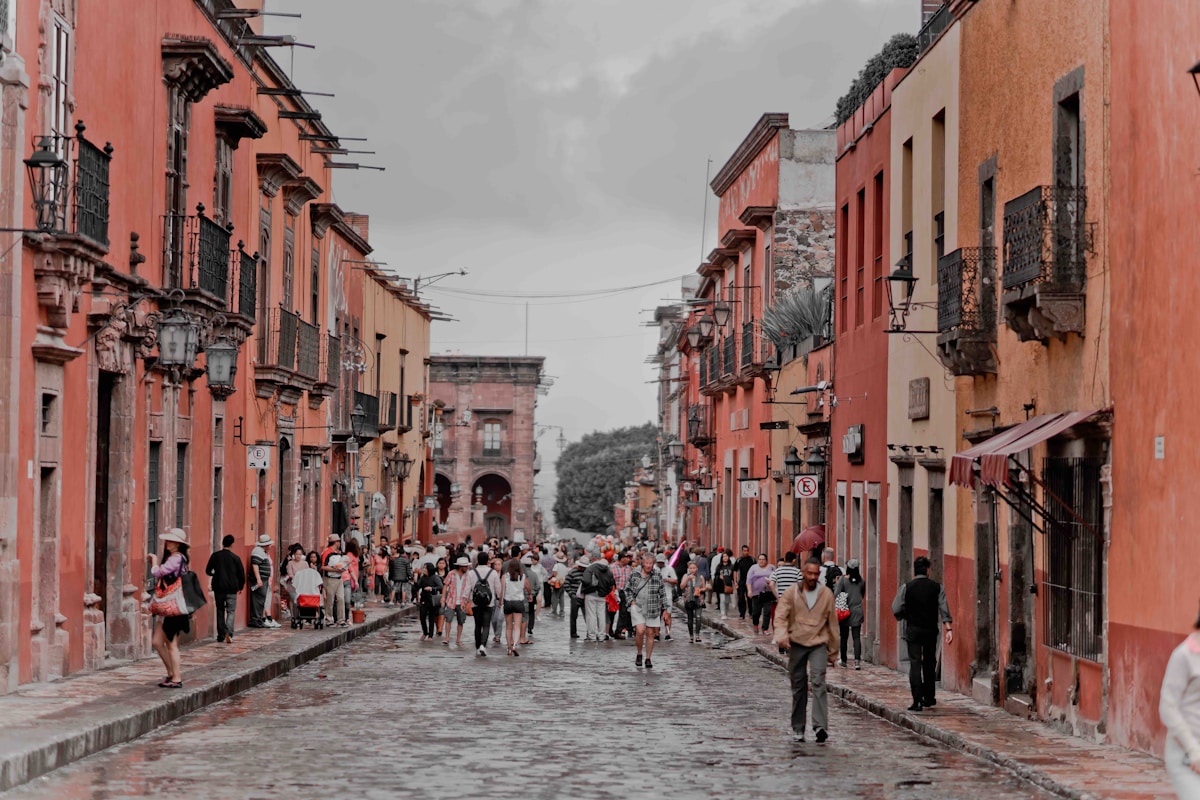
Morelia is the capital of Michoacán state, one of Mexico’s most food-obsessed regions, with a well-preserved colonial centre built from a distinctive pale-pink volcanic stone (cantera rosa) that gives the city a warm, unified appearance at dusk. The cathedral and the arcaded Palacio de Gobierno dominate the central square; the city has an active music and cultural scene driven partly by its large university population (the Universidad Michoacana de San Nicolás de Hidalgo was founded in 1540 and is the oldest continuously operating university in the Americas).
Quick reference
| Detail | Info |
|---|---|
| State | Michoacán |
| Altitude | 1,920 m |
| Population | ~850,000 |
| Airport | General Francisco J. Mujica (MLM) |
| From Mexico City | 1-hour flight or 4-hour bus (ETN/Primera Plus) |
| From Guadalajara | 3.5 hours by bus |
| Best time | Year-round; Nov–Mar for butterflies |
| UNESCO status | World Heritage Site since 1991 |
Sights
| Sight | Entry | Notes |
|---|---|---|
| Cathedral | Free | Twin 64 m towers, 1640–1744, pipe organ concerts |
| Aqueduct | Free | 1.5 km, 253 arches, illuminated at night |
| Museo Regional Michoacano | ~MXN $65 (free Sun) | Pre-Hispanic to colonial art, Diego Rivera mural |
| Museo de Arte Colonial | ~MXN $50 | Colonial religious art, polychrome sculpture |
| Colegio de San Nicolás | Free | Oldest university in Americas (1540) |
| Palacio de Gobierno | Free | Murals by Alfredo Zalce |
| Casa de la Cultura | Free | Former Carmelite convent, exhibitions |
The historic centre
The Catedral de Morelia (1640–1744) dominates the main plaza with twin 64-metre baroque towers in the local pink cantera stone. The pipe organ (1905, with 4,600 pipes) is one of the finest in Mexico and is still used for concerts - check the cathedral schedule. The Plaza de Armas is the social centre; the arcades around it have cafés and restaurants.
The streets between the cathedral and the Colegio de San Nicolás contain the finest architecture - continuous pink-stone facades with ironwork balconies. The Palacio de Gobierno (on the main plaza) has murals by Alfredo Zalce depicting Michoacán history. The Casa de la Cultura (former Carmelite convent) hosts exhibitions and cultural events.
The Acueducto de Morelia - 1.5 km of arched stone construction completed in 1789 with 253 arches - runs along Calzada Fray Antonio de San Miguel, a pedestrian boulevard flanked by cafés, restaurants, and the city’s best evening paseo (stroll). The aqueduct is illuminated at night.
Food
Michoacán has one of Mexico’s most distinctive state cuisines - the only Mexican regional cuisine with UNESCO Intangible Cultural Heritage status (2010). Morelia is the best city to eat through it.
| Dish | What it is | Where to find | Approx. price |
|---|---|---|---|
| Carnitas michoacanas | Pork confit in copper vats | Mercado San Juan, weekend mornings | MXN $80–150/quarter kilo |
| Uchepos | Fresh corn tamales with cream | Mercado San Juan, fondas | MXN $30–50 each |
| Corundas | Triangle tamales in corn leaf | Market stalls, breakfast spots | MXN $25–40 each |
| Ate de membrillo | Quince paste (confectionery) | Portal Galeana sweet stalls | MXN $30–60/piece |
| Morisqueta | Rice, beans, pork chile sauce | Market fondas | MXN $50–80 |
Mercado San Juan (central location) is the best all-around food destination - carnitas stalls on the ground floor (arrive before 1 pm, the good cuts sell out), breakfast counters, tamale vendors, and budget comida corrida. The Portal Galeana on the main plaza has Morelia’s traditional dulces (sweets) - ate, cocadas, buñuelos - sold from stalls that have operated for generations.
Other dishes to seek out: gazpacho moreliano (not the Spanish soup - this is a fresh fruit salad of mango, jicama, and pineapple dressed in lime, chili powder, and orange juice, sold from street carts throughout the city, approximately MXN $25–40), churipo (a hearty beef and chili broth traditional to the Purépecha communities), and nieve de pasta (vanilla ice cream made with a distinctive cinnamon-egg base, sold from traditional parlours around the centro).
For restaurants: Lu Cocina Michoacana (mains approximately MXN $150–250) does refined Michoacán cuisine with modern plating of traditional recipes. Tata Mezcalería (Barrio de Capuchinas, mains approximately MXN $120–200) combines Michoacán food with a serious mezcal selection. Los Mirasoles (Portal Hidalgo, on the main plaza, mains approximately MXN $100–180) is a reliable mid-range option for traditional dishes with a view of the cathedral. Fonda Marceva (Calle León Guzmán, mains approximately MXN $80–120) serves excellent home-style Michoacán cooking at local prices. The Barrio de Capuchinas neighbourhood west of the centre has a growing scene of restaurants, mezcal bars, and cafés popular with students.
Día de Muertos in Michoacán
Michoacán is the epicentre of Mexico’s Day of the Dead traditions - the celebrations here predate the Spanish conquest and remain more deeply rooted than anywhere else in the country. Late October through 2 November is an extraordinary time to visit.
In Morelia: the Calzada Fray Antonio de San Miguel hosts altars, processions, and cultural events. The Panteón Municipal (municipal cemetery) is open for overnight vigils on the night of 1 November, with families decorating graves with cempasúchil (marigold) flowers, candles, and ofrendas.
Pátzcuaro and Janitzio (45 minutes from Morelia) host the most famous celebrations. On the night of 1 November, Purépecha families paddle canoes to Isla de Janitzio in Lake Pátzcuaro for an all-night vigil at the island cemetery - candlelit processions, chanting, and marigold-covered graves. The scene is powerful, though increasingly crowded with visitors. Arrive early (before 6 pm) and expect large crowds. Boat tickets to Janitzio approximately MXN $80–100 return (as of 2026).
Tzintzuntzan (near Pátzcuaro) has a less touristy cemetery vigil with the same traditions. Smaller villages around the lake - Ihuatzio, Santa Fe de la Laguna - offer quieter, more intimate experiences.
If visiting during this period, book accommodation in Morelia or Pátzcuaro at least 2–3 months in advance - hotels fill completely.
Where to stay
| Property | Type | Approx. rate | Notes |
|---|---|---|---|
| Hotel de la Soledad | Boutique | From MXN $1,800/night | 18th-century mansion, central, courtyard |
| Villa Montaña | Upscale | From MXN $3,000/night | Hilltop above city, gardens, views, pool |
| Hotel Virrey de Mendoza | Mid-range | From MXN $1,200/night | On the plaza, colonial building |
| Hotel Casino | Mid-range | From MXN $700/night | Central, good value |
| Hostal Allende | Budget | From MXN $300/night | Dorms and privates, central |
Stay in the centro histórico - everything is walkable and the evening atmosphere along the aqueduct is the best part of the Morelia experience.
Monarch butterfly sanctuaries
From November to March, millions of monarch butterflies overwinter in the oyamel fir forests 100–120 km northeast of Morelia. The sight of butterfly-covered trees and swarms of orange wings rising when the sun warms the air is extraordinary - one of Mexico’s greatest natural spectacles.
El Rosario (near Angangueo, 2 hours from Morelia) - the largest and most visited sanctuary. A moderate uphill walk through the forest leads to the overwintering colonies. Go mid-morning (10–11 am) for the best movement when the sun hits the trees. Entry approximately MXN $60.
Sierra Chincua (also near Angangueo) - slightly smaller, often less crowded. A longer hike but a more intimate experience.
Peak season: January–February has the highest butterfly numbers. Tour operators in Morelia run day trips (approximately MXN $800–1,200 per person including transport and guide). Alternatively, take a bus to Zitácuaro and a colectivo to the sanctuary entrance.
Day trips
Pátzcuaro and Lake Pátzcuaro (45 km west, 45 minutes by colectivo) - colonial lakeside town, Purépecha culture, Janitzio island. The most natural day trip from Morelia.
Tzintzuntzan (60 km west) - the old Purépecha capital with five ceremonial stepped pyramids (yácatas) overlooking the lake. Combine with Pátzcuaro.
Santa Clara del Cobre (75 km) - hand-hammered copper workshops, copper museum. Combine with Pátzcuaro.
Cuitzeo (40 km north) - one of Mexico’s largest lakes, with a 16th-century Augustinian convent on a causeway.
Getting there
General Francisco J. Mujica Airport (MLM) has direct connections to Mexico City and several US cities. The airport is 27 km from the centre (approximately MXN $300 by taxi).
Buses: ETN and Primera Plus run frequent first-class services from Mexico City (4 hours, approximately MXN $500–700), Guadalajara (3.5 hours, approximately MXN $400–600), and Guanajuato (3 hours, approximately MXN $350–500). ETN is the premium option with wider seats and onboard service. The bus terminal (Central de Autobuses) is 4 km northwest of the centre - taxi to centro approximately MXN $50–80.
By car from Mexico City: approximately 300 km via the toll highway (autopista, approximately MXN $400 in tolls). The drive is straightforward and scenic through highland pine forests.
When to go
Morelia has a mild highland climate year-round. The Monarch butterfly season (November–March) is the most popular time. The Festival Internacional de Cine de Morelia (FICM) in October is one of Mexico’s most important film festivals. The Día de Muertos celebrations (late October–early November) are significant throughout Michoacán - Morelia hosts events, and Pátzcuaro’s ceremonies are 45 minutes away.
More Morelia Guides
- Day Trips in Morelia
- Food to Try in Morelia
- Things to Do in Morelia
- Best Tours in Morelia - cathedral walks, Monarch butterfly reserve and Day of the Dead tours
Plan your trip: tours in Morelia · flights to Mexico · travel insurance · eSIM for Mexico.
See Also
- Pátzcuaro Travel Guide - 45 minutes southwest, the lakeside town famous for Día de Muertos
- Monarch Butterfly Migration - the Michoacán overwintering colonies accessible from Morelia
- Day of the Dead in Mexico - the ceremony that draws visitors to Morelia and Pátzcuaro each November
- Guanajuato Travel Guide - 3 hours north, another highland colonial city on the same circuit
- 2 Weeks in Mexico - itinerary options that connect Morelia with Mexico City and Oaxaca
Book an experience
Top experiences in Morelia
Explore the best tours and activities in Morelia, with instant confirmation and free cancellation on most bookings.
Find hotels in Morelia
Compare rates and availability across hundreds of options, free cancellation on most.
Browse hotels in Morelia →Affiliate link; commission earned at no cost to you.