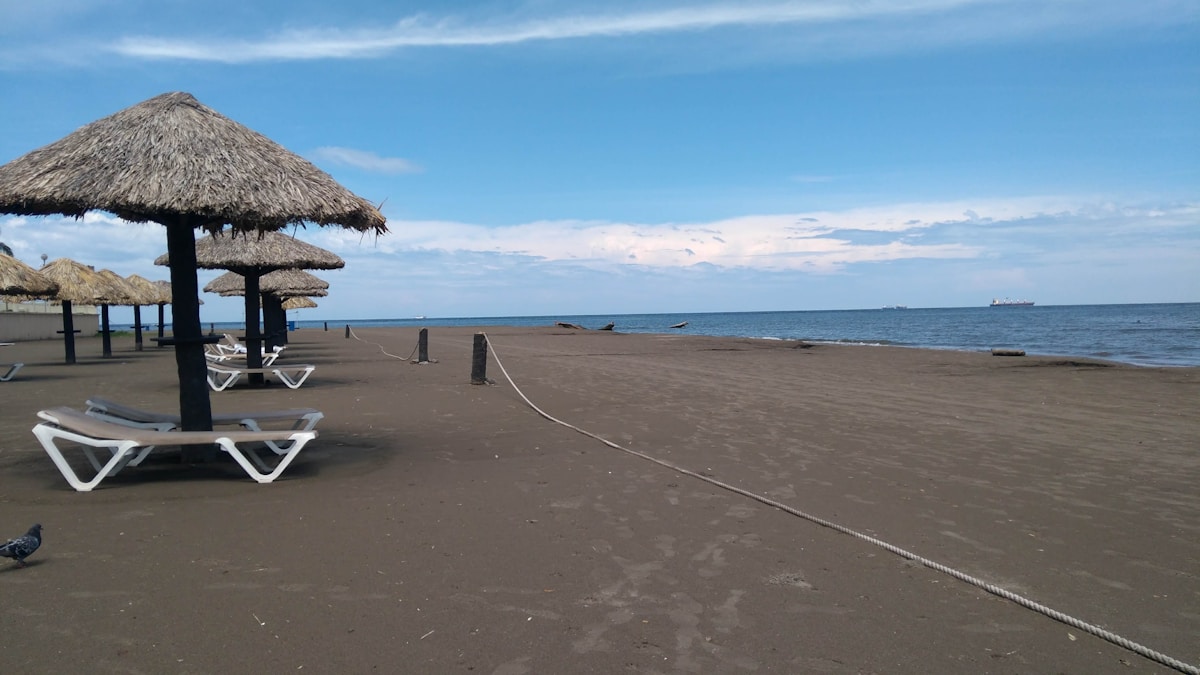
Veracruz’s pleasures are concentrated in a small area: the Zócalo and portales for coffee and people-watching, the port and Malecón for seafood, and San Juan de Ulúa for colonial history. The city’s character - more Caribbean than central Mexican, more Afro-Mexican than indigenous, more musical than monumental - makes it distinct from anywhere else in the country. Give it two days.
Top Tours at a Glance
Here’s a quick comparison of top-rated guided tours on GetYourGuide:
| Tour | Duration | Price (from) | Group Size | Highlights |
|---|---|---|---|---|
| Veracruz City Walking Tour — Zócalo + Fort | 3 hrs | from $35/person | Group | San Juan de Ulúa fort, portales, Museo Naval |
| El Tajín Ruins Day Trip from Veracruz | Full day | from $75/person | Group | Totonac ceremonial city, Voladores ritual, guide |
| Whale Shark Snorkelling — Veracruz Reef | Half day | from $70/person | Small group | Reef national park, snorkel gear, guide |
| La Antigua + Zempoala Colonial Tour | Half day | from $45/person | Group | First Spanish city in Mexico, Totonac ruins |
Browse all Veracruz tours → GetYourGuide
Activity overview
| Activity | Cost | Duration | Notes |
|---|---|---|---|
| Zócalo and Café de la Parroquia | Cost of coffee (~MXN $40–60) | 1–2 hours | Marimba bands, café lechero ritual |
| San Juan de Ulúa | ~MXN $85 | 1.5–2 hours | Coral fortress, 1565, prison cells |
| Aquarium | ~MXN $200 | 1–1.5 hours | Largest in Mexico, Gulf species |
| Baluarte de Santiago | ~MXN $40 | 30 min | Last city bastion, gold jewellery |
| Fish market | Free to browse | 1 hour | Cocteles, tostadas, fresh seafood |
| Malecón walk | Free | 1 hour | Port views, evening atmosphere |
| Danzón on the Zócalo | Free | Weekend evenings | Formal couples dancing |
| El Tajín | ~MXN $90 entry | Full day | 2.5 hours north, Pyramid of Niches |
| Xalapa + museum | ~MXN $60 entry | Full day | Olmec colossal heads, 1.5 hours inland |
All prices approximate, as of 2026.
The Zócalo and café culture
The central plaza is one of the great public squares in Mexico - not for its architecture (which is modest) but for its atmosphere. The portales (covered arcades) on two sides are lined with cafés open from morning to past midnight.
Gran Café de la Parroquia is the anchor - open since 1808, the most famous café in Mexico. The ritual: order a café lechero (strong black coffee in a tall glass). A waiter appears with a kettle of hot milk and pours from height - a thin stream of scalding milk from an arm’s length above the glass, mixing with the coffee. You signal for the waiter by tapping your glass with a spoon - a sound that echoes across the portales all day. The ritual is sincere and the coffee is genuinely good. Approximately MXN $40–60 per coffee. The café also serves breakfast and full meals.
Marimba bands play from mid-morning in the Zócalo - traditional son jarocho and tropical music. The bands are not busking - they are a permanent fixture of the plaza’s identity.
Danzón - on weekend evenings (typically Saturday), couples in formal dress dance danzón in the Zócalo. The style is a Cuban-influenced ballroom dance that arrived through the port in the 19th century and became a Veracruz tradition. The dancers are skilled and the atmosphere is elegant. Free to watch; ask nicely and you might be invited to join.
San Juan de Ulúa
The massive coral and stone fortress on a small island connected by bridge to the port. Construction began in 1565 using coral blocks cut from the reef - a construction material unique to Veracruz. The fort was expanded over two centuries into one of the most formidable defensive structures in the Americas.
It served as both a military installation defending the port (the last point of Spanish resistance during the independence war, holding out until 1825) and a political prison until 1915. The prison cells - particularly the underground calabozos (dungeons) - are atmospheric and grim. Walking the ramparts gives views over the harbour and the Gulf of Mexico.
Entry approximately MXN $85. Open Tuesday–Sunday 9 am–4:30 pm. Access by local ferry from the port (10 minutes, approximately MXN $10) or walk the causeway bridge (30 minutes from the centro). Allow 1.5–2 hours.
Son jarocho and Afro-Mexican heritage
Veracruz is the heartland of son jarocho - the musical tradition that produced La Bamba. The instruments: the arpa jarocha (large harp), the jarana (small 8-string guitar), and the requinto (lead melody guitar). The dance is zapateado - percussive footwork on a raised wooden platform (tarima) that functions as an additional instrument.
The African influence in Veracruz’s culture is significant - enslaved Africans arrived through the port from the 16th century and their descendants (Afromexicanos) preserved distinct music, dance, and food traditions. The fusion of African, indigenous, and Spanish elements is what gives son jarocho its rhythmic complexity.
Live son jarocho: The fandango (informal jam session) is the traditional format - musicians and dancers gather, often on the Zócalo or at neighbourhood events. La Casa de la Trova and Rincón de la Trova are established live music venues. The best performances are improvisational and participatory.
The Malecón and port
Veracruz’s waterfront runs from the old port southward. Less manicured than most Mexican Malecóns - functional, fish-smelling, and lively. The fish market area near the docks has fresh seafood stalls and the cheapest cocteles de mariscos (cold seafood cocktails, approximately MXN $60–100) in the city. Tostada vendors pile ceviche and seafood on crispy tortillas (approximately MXN $30–50 each). This is the most authentic seafood eating in Veracruz.
Aquarium (Acuario de Veracruz, approximately MXN $200) - the largest aquarium in Mexico, on the Malecón. Regional Gulf of Mexico species including sharks, rays, sea turtles, and a coral reef exhibit. Interactive touch pools for children. Worth 1–1.5 hours, particularly for families.
Baluarte de Santiago
The last surviving bastion of the original 17th-century city walls (the rest were demolished in the 19th century). Now a small museum displaying gold jewellery recovered from a Spanish shipwreck - the Fisherman of Gold collection. Small but historically interesting, and the bastion itself gives a sense of the original fortified city. Entry approximately MXN $40.
Carnaval
If timing aligns (February/March, pre-Lent), Veracruz Carnaval is the largest in Mexico - nine days of parades, comparsas (dance groups in elaborate costumes), costume competitions, float processions, and live music that takes over the Malecón and Zócalo.
The quema del mal humor (burning of bad humour) - a satirical effigy burned at the festival’s opening - is a Veracruz tradition. The entierro de Juan Carnaval (mock funeral procession) closes the festival. Between them: continuous music, dancing, street food, and a citywide party atmosphere.
Planning: Hotel rooms book out 2–3 months ahead. Prices surge 2–3x normal rates. The first parade days are less crowded than the final weekend. Earplugs are advised for hotel rooms near the parade route.
Day trips
El Tajín (2.5–3 hours north, near the town of Papantla) - one of the most important pre-Columbian sites in Mexico, capital of the classic-era Totonac civilization. Over 100 identified structures spread across a hillside, dominated by the Pyramid of the Niches - a six-level pyramid with 365 deeply carved niches around its exterior, possibly representing the solar calendar. The architectural style is unique in Mesoamerica.
The Totonac voladores (flying men) ceremony is performed at the site several times daily - five performers climb a 30 m pole, four leap off backward with ropes attached to their ankles, spinning down in 13 revolutions each (4 × 13 = 52, the number of years in the Mesoamerican calendar cycle). The ritual is UNESCO Intangible Cultural Heritage.
Entry approximately MXN $90. Take an ADO bus to Papantla (2.5 hours, approximately MXN $250) and a local colectivo to the site (20 minutes, approximately MXN $20). Allow a full day.
Xalapa (Jalapa) (1.5 hours inland by ADO bus, approximately MXN $150) - the state capital at 1,400 m with a cooler climate, a large university, and excellent coffee shops. The Museo de Antropología de Xalapa (approximately MXN $60) has the finest collection of Olmec colossal heads in existence - seven monumental stone heads weighing up to 20 tonnes each, carved between 1500 and 400 BC. The Olmec are considered the “mother culture” of Mesoamerica, and these heads are their most famous legacy. The museum (one of the best in Mexico) also has extensive Totonac and Huastec collections.
La Antigua (25 km north) - the site where Cortés first established his settlement on the mainland in 1519. Ruins of the Casa de Cortés - a colonial building with enormous tree roots growing through the walls and roof - in a quiet riverside village. Free. Quick stop en route to El Tajín or as a short excursion on its own.
Eating
The food in Veracruz is Gulf Coast seafood - distinct from the rest of Mexico:
| Dish | Where | Approx. price |
|---|---|---|
| Huachinango a la veracruzana (red snapper) | Villa Rica Mocambo, seafood restaurants | MXN $150–250 |
| Coctel de camarones | Fish market, port stalls | MXN $60–100 |
| Vuelve a la vida (mixed seafood cocktail) | Port restaurants | MXN $80–120 |
| Arroz a la tumbada (soupy seafood rice) | Traditional restaurants | MXN $120–200 |
| Picadas (thick corn cakes with salsa) | Market fondas | MXN $15–25 each |
| Café lechero | Gran Café de la Parroquia | MXN $40–60 |
La Güera (fish market area, mains approximately MXN $80–150) is a local institution for budget seafood. Villa Rica Mocambo (beach restaurant south of the centre, mains approximately MXN $150–300) serves refined veracruzana cuisine in a beachfront setting.
Practical tips
- Getting around: The centre is walkable. City buses run along the Malecón. Taxis and Uber for longer distances.
- Climate: Hot and humid year-round. November–April is drier and slightly more comfortable. Bring light clothing, sunscreen, and mosquito repellent.
- Safety: The Zócalo, Malecón, and port areas are generally safe. Exercise normal urban precautions at night.
- Boca del Río: The beach neighbourhood south of the centre has the city’s best seafood restaurants (notably the Villa Rica strip) and beach hotels. Worth exploring for dinner.
Plan your trip: tours in Veracruz · travel insurance.
More Veracruz Guides
- Back to Veracruz Guide
- Mexico City Travel Guide - 5–6 hours west by bus, the most common starting point for a Veracruz trip
- Puebla Travel Guide - a colonial city en route between Mexico City and Veracruz
- Regional Cuisines of Mexico - Veracruz’s Gulf Coast cooking in context
Search hotels in Veracruz on Booking.com
- Festivals and Events in Mexico - Carnaval and other major Mexican festivals