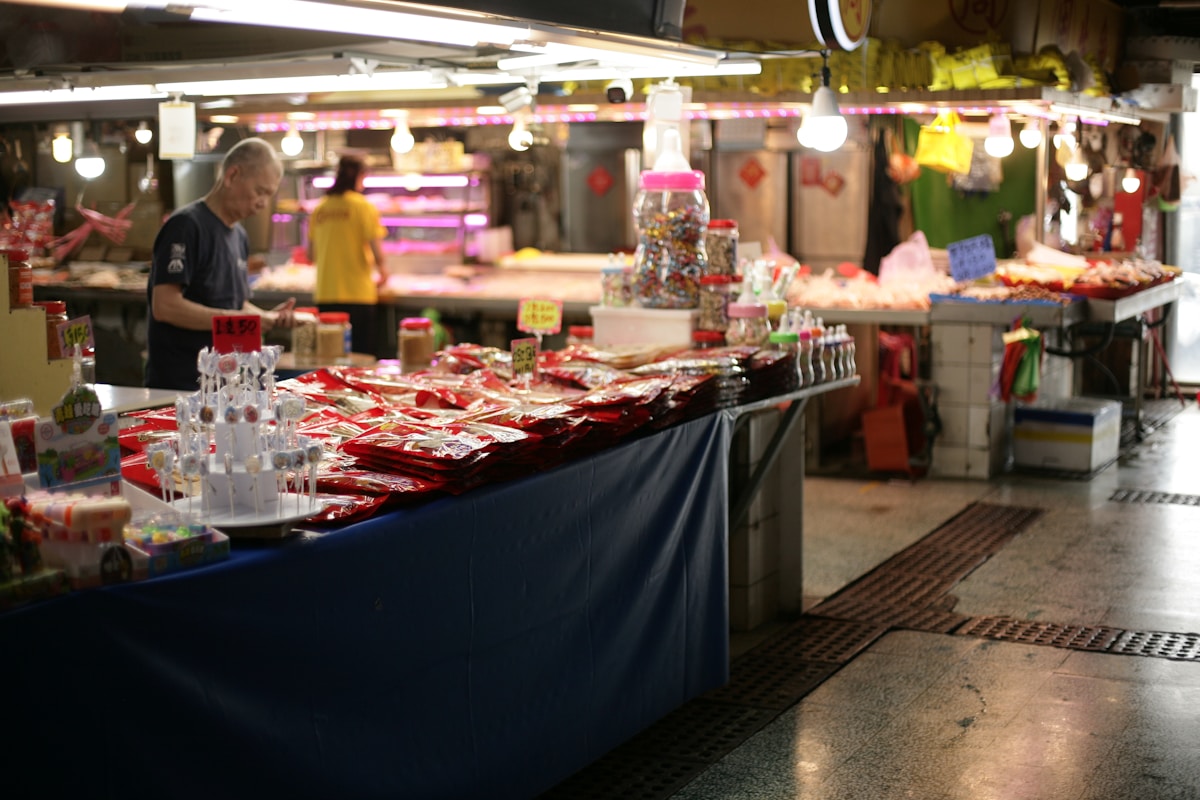
Mexico rewards good preparation. Most of what worries first-time visitors - safety, food safety, getting around - is manageable with basic knowledge. Here’s what we’d tell a friend before their first trip.
Visa and entry
Citizens of the US, Canada, the UK, EU, and most Western countries don’t need a visa for tourism. On arrival, you’ll receive a Forma Migratoria Múltiple (FMM) - the tourist card - allowing stays up to 180 days. You may be asked to state how long you plan to stay; say the full 180 if uncertain. Keep your FMM stamped paper copy - you’ll surrender it on departure, and losing it causes complications.
If entering by air, the FMM is electronic and managed at the airline check-in. If entering by land, paper forms are issued.
Money
The Mexican Peso (MXN) is the currency. As of 2026, 1 USD ≈ 17–18 MXN (check live rates).
- Withdraw from ATMs (cajeros automáticos) in banks (Banamex, Santander, HSBC) rather than standalone ATMs in tourist areas, which charge higher fees and have higher card skimming risk
- Cards are widely accepted in restaurants, hotels, and shops in tourist areas; cash is essential for markets, street food, colectivos, and rural areas
- Avoid exchanging money at the airport - rates are significantly worse than ATM withdrawals in-town
- Inform your bank before travelling to avoid card blocks
Safety
Mexico’s safety situation varies significantly by location. The resort areas, colonial cities, and well-trodden tourist routes are generally safe. Specific areas (particularly parts of some northern border states) have serious security issues for independent travellers.
Key practices:
- Use Uber or Cabify in Mexico City, not street hailing
- At ATMs, use bank machines during daylight hours and cover the keypad
- Keep valuables out of sight in public; don’t use expensive phones on busy streets
- Research your specific destination - US State Department and UK FCDO advisories name specific states
If you’re heading out alone, our Mexico solo travel guide covers the best solo-friendly bases, safety considerations for solo women, and how to find community on the road.
Food and water safety
The tap water in Mexico is not safe to drink - use bottled or purified water. Most hotels provide water filtration. Agua purificada is available cheaply in large jugs everywhere.
Street food is generally safe if: the stall has high turnover (fresh ingredients), is cooking food in front of you, and you’re choosing busy stalls. Avoid pre-cut fruit sitting in the heat.
Turista (traveller’s diarrhoea) affects a proportion of visitors. Carry loperamide and oral rehydration salts. It typically resolves in 1–3 days.
Getting around
- Buses: ADO and its subsidiary brands (Platino, GL, OCC) operate reliable intercity buses between all major destinations. First-class buses have reclining seats, AC, and onboard snacks. Book in advance for holiday periods
- Colectivos: shared minivans operating on fixed routes between nearby towns - cheap and frequent but cramped
- Uber/Cabify: widely available in cities and tourist areas; more reliable than street taxis for security
- Domestic flights: VivaAerobus and Volaris are the main budget carriers; Aeromexico is more expensive. Domestic routes are well-served
Spanish
A little Spanish goes a long way. In tourist areas, English is common. In markets, smaller towns, and when dealing with street vendors or taxi drivers, Spanish is essential. Learning numbers, basic food vocabulary, and polite greetings will improve your experience considerably.
Connectivity
Mexican SIM cards (Telcel, AT&T Mexico, Movistar) are sold at airports and Oxxo convenience stores. A local SIM with data is the most cost-effective option for more than a week. Telcel has the best rural and nationwide coverage.
What to pack
- Sunscreen (SPF 50+ - the UV index is high)
- Insect repellent (DEET-based for mosquito-risk areas)
- A light layer for AC on buses and highland evenings
- Comfortable walking shoes (cobblestone cities are hard on soles)
- A small crossbody bag for daily use (reduces pickpocket risk versus backpacks)
Related Practical Guides
- Safety in Mexico - which areas to avoid and how to stay safe
- Mexico Currency Guide - pesos, cards, ATMs, and avoiding exchange traps
- Basic Spanish Phrases for Mexico - essential words before you arrive
- Packing for Mexico - detailed packing list by region and season
- Mexico Visa Guide - who needs a visa and what to prepare
Plan your trip: flights to Mexico · travel insurance · eSIM for Mexico · tours across Mexico.
Where to Go First
- Cancún Travel Guide - the most common first arrival point with easy onward connections
- Mexico City Travel Guide - the capital, with the most flights and the widest range of experiences
- Oaxaca City Travel Guide - often recommended for first-timers who want culture, food, and manageable scale
- 1 Week in Mexico - a focused itinerary for a first short trip
- 10 Days in Mexico - the most common trip length, with options for different interests
- Best Time to Visit Mexico - seasonal guide for planning your first trip
Ready to Plan Your Trip?
See our itineraries for inspiration:
- 1 Week Mexico - one week covering Mexico City, Oaxaca and the beach
- 10 Days Mexico - ten days from the capital to the Caribbean
- 2 Weeks Mexico - the two-week Mexico circuit
- Budget Mexico Itinerary - a full Mexico trip on a budget