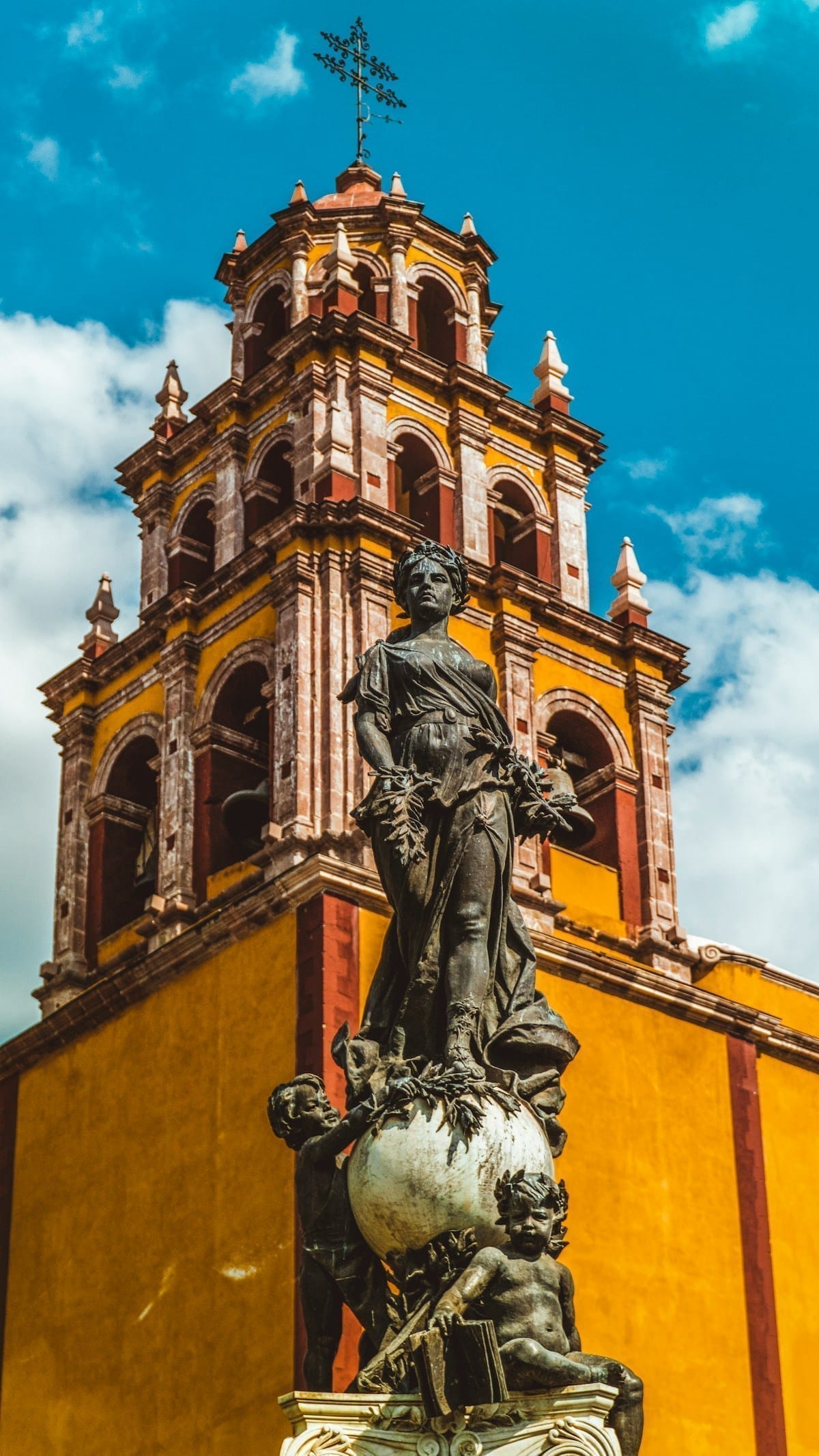
Guanajuato sits in the heart of Mexico’s colonial Bajío - a region of silver-mining cities, independence-era history, and leather production. Most day trips involve other historic towns within easy reach by bus.
Quick comparison
| Day Trip | Distance | Transport | Cost | Time Needed |
|---|---|---|---|---|
| Valenciana silver mine + church | 5 km N | Bus ~MXN $10 | Mine ~MXN $80 | 1–2 hours |
| Dolores Hidalgo | 50 km N | Bus ~MXN $60 | Free (town) | Half day |
| San Miguel de Allende | 90 km E | Bus ~MXN $100–150 | Free (town) | Full day |
| León (leather shopping) | 60 km NW | Bus ~MXN $60 | Free (shopping) | Half day |
| Mineral de Cata | 3 km E | Walk or taxi ~MXN $30 | Free | 1–2 hours |
All prices approximate, as of 2026.
Top Day Trip Tours at a Glance
| Tour | Duration | Price (from) | Group Size | Highlights |
|---|---|---|---|---|
| Guanajuato to Dolores Hidalgo day trip | 6 hrs | from $45 | Up to 15 | Independence church, talavera pottery, unusual ice cream |
| Guanajuato to San Miguel de Allende day trip | Full day | from $55 | Up to 15 | Gothic parroquia, galleries, Fabrica La Aurora |
| Valenciana silver mine guided tour | 3 hrs | from $22 | Up to 12 | 45m mine descent, churrigueresque church |
| León leather district shopping tour | 5 hrs | from $35 | Up to 12 | Factory-price leather goods, market, lunch |
| Bajío colonial circuit — Guanajuato, Dolores & San Miguel | Full day | from $70 | Up to 15 | All three Independence War cities in one day |
Browse all Guanajuato tours → GetYourGuide
Valenciana silver mine and church (5 km north)
The closest and most rewarding half-day trip. The Mina de Valencia operated from 1558 to the early 19th century and at its peak produced approximately 40% of the world’s silver output. Guided tours descend 45 metres underground in a cage elevator through the original colonial-era shafts. Entry approximately MXN $80. Tours run throughout the day (approximately 30–45 minutes).
The adjacent Iglesia de la Valenciana (Templo de San Cayetano, 18th century) is one of the finest churrigueresque churches in Mexico - the ornate gilt facade and three stunning gold-leaf altarpieces inside were funded directly by the mine’s wealth. Free entry.
Getting there: Local bus from the Centro (approximately MXN $10, 15 minutes) or taxi (approximately MXN $60–80). Combine the mine and church in a single visit of 1.5–2 hours.
Dolores Hidalgo (50 km north, 1 hour)
The birthplace of Mexican Independence. On the night of 16 September 1810, Father Miguel Hidalgo rang the bell of the Parroquia de Nuestra Señora de los Dolores and delivered the Grito de Independencia - the call to arms that launched the 11-year War of Independence. The church (free entry) and the adjacent Museo Casa de Hidalgo (Hidalgo’s former home, entry approximately MXN $50, Tue–Sun 10 am–5 pm) are the main historic sites.
The town is also known for two things:
Talavera pottery - distinctive blue-and-white ceramic tiles, tableware, and decorative pieces. Workshops and shops line the streets around the main plaza. Prices are significantly lower than in tourist cities like San Miguel de Allende - small tiles from approximately MXN $30, serving plates from MXN $150.
Unusual ice cream (nieve de garrafa) - the Jardín Principal has multiple ice cream stalls serving flavours including tequila, mole, pulque, shrimp, beer, nopal cactus, and avocado. Approximately MXN $30–50 per cone. Worth trying at least one experimental flavour.
Getting there: Buses from Guanajuato’s Central de Autobuses, approximately MXN $60 each way, 1 hour. Departures every 30–60 minutes.
San Miguel de Allende (90 km east, 1.5 hours)
The most elegant of the Bajío colonial cities and a UNESCO World Heritage Site with a higher concentration of expats, upscale hotels, restaurants, and art galleries than any comparable Mexican town. Worth a full day:
- Parroquia de San Miguel Arcángel - the eccentric neo-Gothic church designed from postcards of European cathedrals
- Fabrica La Aurora - former textile mill, now 30+ galleries and design studios (free entry)
- Jardín Principal - the main square, shaded by laurel trees, with café terraces
- Mercado Ignacio Ramírez - covered market with food stalls and artisan goods
The restaurant scene is sophisticated and expensive - lunch at a mid-range restaurant costs approximately MXN $150–300 per person. The market fondas are cheaper (comida corrida approximately MXN $70–100).
Getting there: Buses from Guanajuato’s Central de Autobuses throughout the day, approximately MXN $100–150 each way, 1.5 hours.
León (60 km northwest, 1 hour)
Mexico’s shoe-making and leather-goods capital - the city produces the majority of Mexico’s domestic leather footwear. The Zona Piel (leather zone) in the industrial area and the central markets sell leather shoes, boots, bags, belts, and jackets at factory prices - 30–60% less than tourist markets elsewhere in Mexico.
Good boots from approximately MXN $500–1,500; leather jackets from approximately MXN $2,000–5,000. Bargaining is expected at the markets, less so at the established shops.
Getting there: Buses from Guanajuato approximately MXN $60, 1 hour. Worth a half-day if you want to buy leather goods at producer prices.
Mineral de Cata (3 km east)
A former mining village on the eastern edge of Guanajuato, now a quiet neighbourhood with colonial-era churches and less tourist traffic than the main city. The Templo de la Valenciana de Cata has a well-preserved churrigueresque facade. Walkable from the centre (30–40 minutes) or a short taxi ride (approximately MXN $30). Combined with a walk through the hillside callejones, this gives a quieter perspective on Guanajuato’s mining heritage.
Combining day trips
Northern circuit: Dolores Hidalgo makes a comfortable half-day. Start early, visit the church and museum in the morning, try the ice cream, browse the talavera shops, and return to Guanajuato by mid-afternoon.
Eastern circuit: San Miguel de Allende fills a full day. Leave early by bus and return in the evening - or stay overnight for the evening gallery and restaurant scene.
Valenciana is close enough to combine with a morning in Guanajuato city - visit the mine and church in the morning, then walk or bus back to the centro for lunch.
Plan your trip: tours in Guanajuato · car hire · travel insurance.
More Guanajuato Guides
Search hotels in Guanajuato on Booking.com