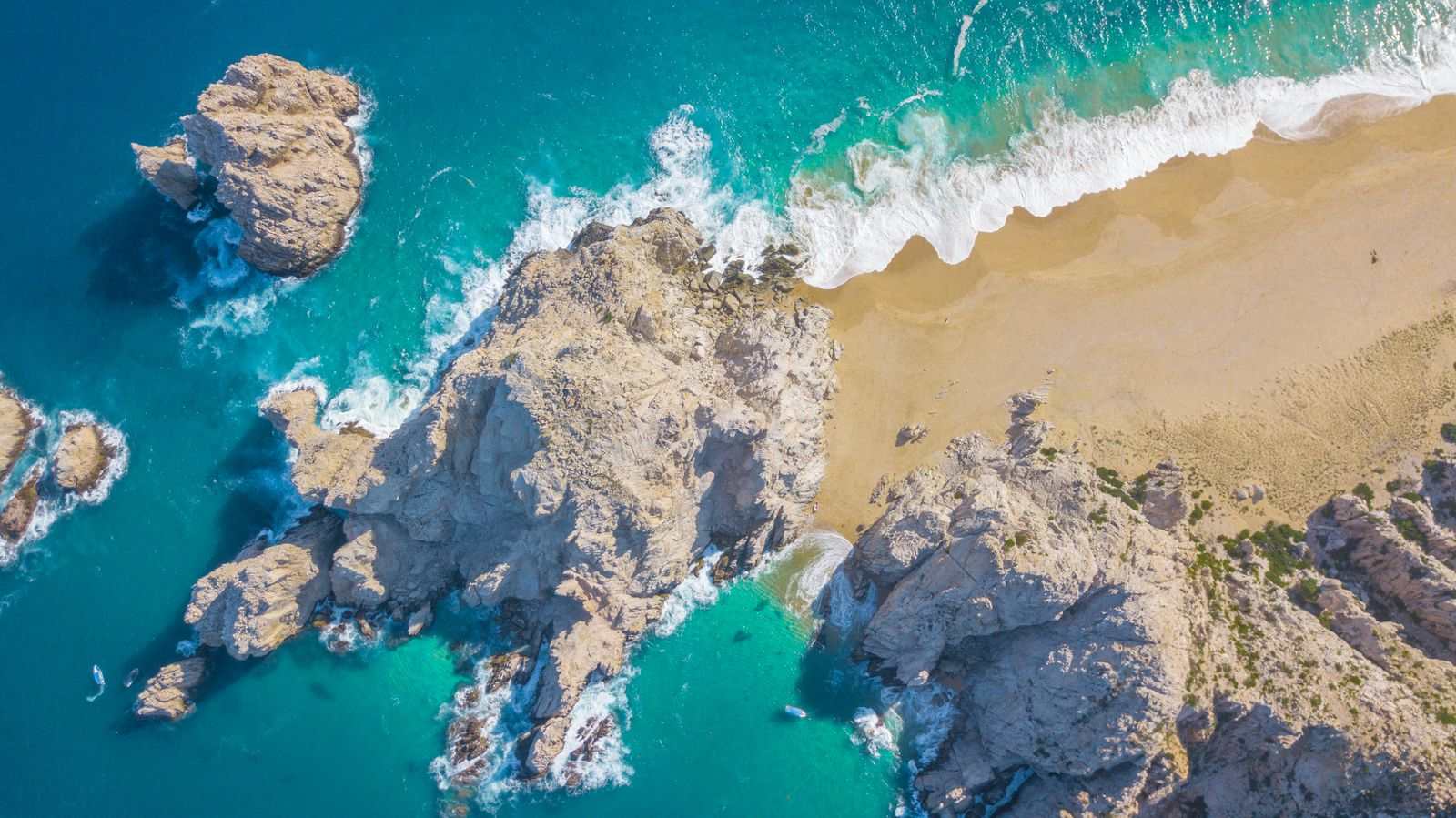
Los Cabos sits at the southern tip of Baja California Sur, where the Pacific Ocean meets the Sea of Cortez. It is a different proposition from Cancun or Riviera Maya - the scenery is dramatic desert and volcanic rock rather than jungle, the sea changes character from calm turquoise bays to powerful Pacific surf within a few kilometres, and the resort atmosphere skews older and more affluent. All-inclusive here tends to mean genuinely high-end product rather than the budget-to-luxury spread you get in the Caribbean coast.
That said, there is a meaningful range across the roughly 30 km of the Corridor between San Jose del Cabo and Cabo San Lucas. Understanding what each stretch offers helps you match the resort to what you actually want from the trip.
The Corridor: Where the All-Inclusives Are
The Corridor is the spine of Los Cabos resort development. Highway 1 connects the two towns, and along it - and on the rocky bluffs and sandy coves that punctuate the coastline - sit the majority of the region’s all-inclusive and large resort properties.
Chileno Bay area is arguably the best stretch for all-inclusive beach stays. Chileno Bay is one of the few genuinely swimmable beaches on the Pacific side of the peninsula, with calm clear water and protected cove conditions for most of the year. Resorts in this area command a premium, but the combination of swimmable bay and dramatic rocky backdrop makes the price easier to justify.
Santa Maria Bay sits nearby and has similarly protected conditions. It is popular with snorkellers - the reef fringe hosts damselfish, pufferfish, and occasionally sea turtles. Several resort properties have direct or walk-in access.
Cabo San Lucas end of the Corridor has a handful of large all-inclusives spread across bluff-top and beachfront positions. The famous Land’s End arch is visible from many of them. The marina area of Cabo San Lucas town has supplementary resort options, though these are more mixed in quality and value.
Resort Tiers and What to Expect
Entry-Level: USD $200–280 per person per night
At this tier in Los Cabos, expect a modern mid-size resort with pool access, buffet dining, domestic bar package, and a reasonable beach or bay position. Rooms are typically standard category, and specialty restaurant access may be limited to one or two per stay.
Several Holiday Inn Resort and Meliá properties in the Corridor sit in this bracket. They are not glamorous by Los Cabos standards but provide reliable, clean accommodation with good service. The key question at this tier is beach quality - some properties in this price range sit on rough surf beaches where the pool is the real focal point.
Mid-Range: USD $280–450 per person per night
This is where Los Cabos all-inclusive genuinely delivers. At this level you get multiple specialty restaurants (Mexican, Mediterranean, teppanyaki are common), premium bar packages, larger room categories, and usually a better beach or bay position. Service ratios improve noticeably.
Hyatt Ziva Los Cabos sits in the upper end of this tier. It is a family-friendly all-inclusive with a long stretch of beach on the Sea of Cortez side, multiple pools, and a consistent reputation for food quality - the Mexican restaurant in particular. It is one of the more accessible options for families who want genuine value rather than pure luxury.
Secrets Puerto Los Cabos in San Jose del Cabo targets adults-only mid-range buyers and offers a quieter, marina-adjacent atmosphere with multiple restaurants and a strong spa program.
Luxury: USD $450–900+ per person per night
Several properties at this level are regularly cited among the best all-inclusives in Mexico outright. The defining features are private plunge pools, butler service, exceptional food programs, and extremely low guest-to-staff ratios.
One&Only Palmilla is not traditional all-inclusive but operates inclusive packages; it remains one of the most celebrated properties on the peninsula. The Grand Velas Los Cabos operates a full all-inclusive model at this tier - three-bedroom master suites, a dozen restaurants, and an award-winning spa. Per-person nightly rates can exceed USD $800 for two people, but the product justifies the price for travellers who want the best version of the all-inclusive format.
Nobu Hotel Los Cabos, developed in collaboration with the chef Nobu Matsuhisa, targets the same ultra-premium buyer with a design-forward aesthetic and some of the best Japanese-inflected dining at any resort in Mexico.
Activities Included (and What Costs Extra)
Standard Los Cabos all-inclusive packages typically include:
- Pool and beach access with towel service
- Non-motorised water sports: kayaks, paddleboards, snorkelling gear
- Fitness centre and some fitness classes
- Nightly entertainment (varying quality by property)
- All meals and domestic beverages
The activities that typically cost extra, even at all-inclusive properties:
Sport fishing is the activity Los Cabos is most famous for globally, and it is almost never included. A shared fishing charter runs from approximately USD $120–180 per person for a half-day; private charters start around USD $500 for a full day and reach well over USD $1,000 for premium sportfishing vessels targeting marlin and sailfish. March-October is the best season for big game fishing.
Golf - there are several world-ranked courses along the Corridor, including Quivira and Cabo del Sol. Green fees run USD $200–350+ per round and are never included in all-inclusive rates.
Whale watching - January through March, gray whales and humpbacks move through the Sea of Cortez in significant numbers. Two-to-three hour boat excursions run from approximately USD $50–90 per person and are easy to book through the resort concierge.
Snorkelling and diving at Cabo Pulmo - Cabo Pulmo National Park, about 100 km from the Corridor, is one of the most biodiverse reef systems on the Pacific coast of the Americas. A full-day excursion runs approximately USD $130–180 per person.
Getting to Los Cabos
Los Cabos International Airport (SJD) serves both Cabo San Lucas and San Jose del Cabo. It is roughly 40–50 minutes from most Corridor resorts by road. Several major carriers fly direct from US gateway cities including Los Angeles, Phoenix, Dallas, Houston, Chicago, and Denver. International connections from Europe typically route through a US hub.
Private transfer from the airport to Corridor resorts runs approximately USD $70–100 one way for a sedan. Shared shuttle services are cheaper at USD $20–30 per person but involve longer journey times with multiple stops. Most resorts can arrange transfers directly - book in advance during peak season.
What Makes Los Cabos Different from the Caribbean All-Inclusives
Travellers choosing between Los Cabos and a Caribbean destination should weigh a few honest trade-offs:
Beach swimming: The Caribbean coast consistently wins here. Cancun’s Hotel Zone and Riviera Maya have wide, calm, swimmable beaches across most of the year. Los Cabos has pockets of excellent swimming (Chileno Bay, Santa Maria Bay) but also a lot of surf-heavy coastline where the pool is the primary water option.
Scenery and drama: Los Cabos wins clearly. The combination of desert landscape, volcanic rock, the iconic arch at Land’s End, and the colour contrast of the meeting Pacific and Sea of Cortez is unlike anything in the Caribbean.
Value for money: The Caribbean coast is cheaper at every tier, partly due to supply (many more resorts) and partly due to logistics costs being lower. Expect to pay a meaningful premium for equivalent product in Los Cabos.
Activities: Both regions have strong activity menus. Los Cabos leads for sport fishing, golf, whale watching, and ATVing through desert. Cancun and Riviera Maya lead for cenote diving, Mayan ruins (Chichen Itza, Tulum, Cobá), and easier access to Caribbean reef diving.
Atmosphere: Los Cabos skews slightly older and quieter at most properties. The nightlife scene in Cabo San Lucas town is lively but concentrated in the marina area rather than stretching along the resort strip. Cancun’s Hotel Zone has more large-scale resort nightlife built into the experience.
Practical Booking Tips
Book early for peak dates: Christmas-New Year and the weeks around the US Presidents’ Day weekend in February see rates spike and availability narrow at quality properties. Book 3-4 months ahead minimum for these windows.
Hurricane season deals: July-October offers the lowest rack rates of the year. Most reputable booking platforms and resorts offer free cancellation or rebooking if a tropical storm disrupts travel. Baja California does get hit by tropical systems - most years at least one significant storm affects the area - so travel insurance is genuinely recommended rather than optional.
Corridor vs town: Corridor resorts have better beach and bay access in most cases. Cabo San Lucas town suits visitors who want to walk to the marina, fishing docks, and nightlife without a taxi. San Jose del Cabo is the quietest option - more art gallery, gallery district, and local restaurants - but less suitable for a pure all-inclusive experience.
Adults-only vs family: The Los Cabos market has a stronger concentration of adults-only all-inclusives than Cancun. Families are well served by the Hyatt Ziva properties but have fewer choices overall. If travelling with children, verify age minimums before booking - several Corridor properties do not admit guests under 18.