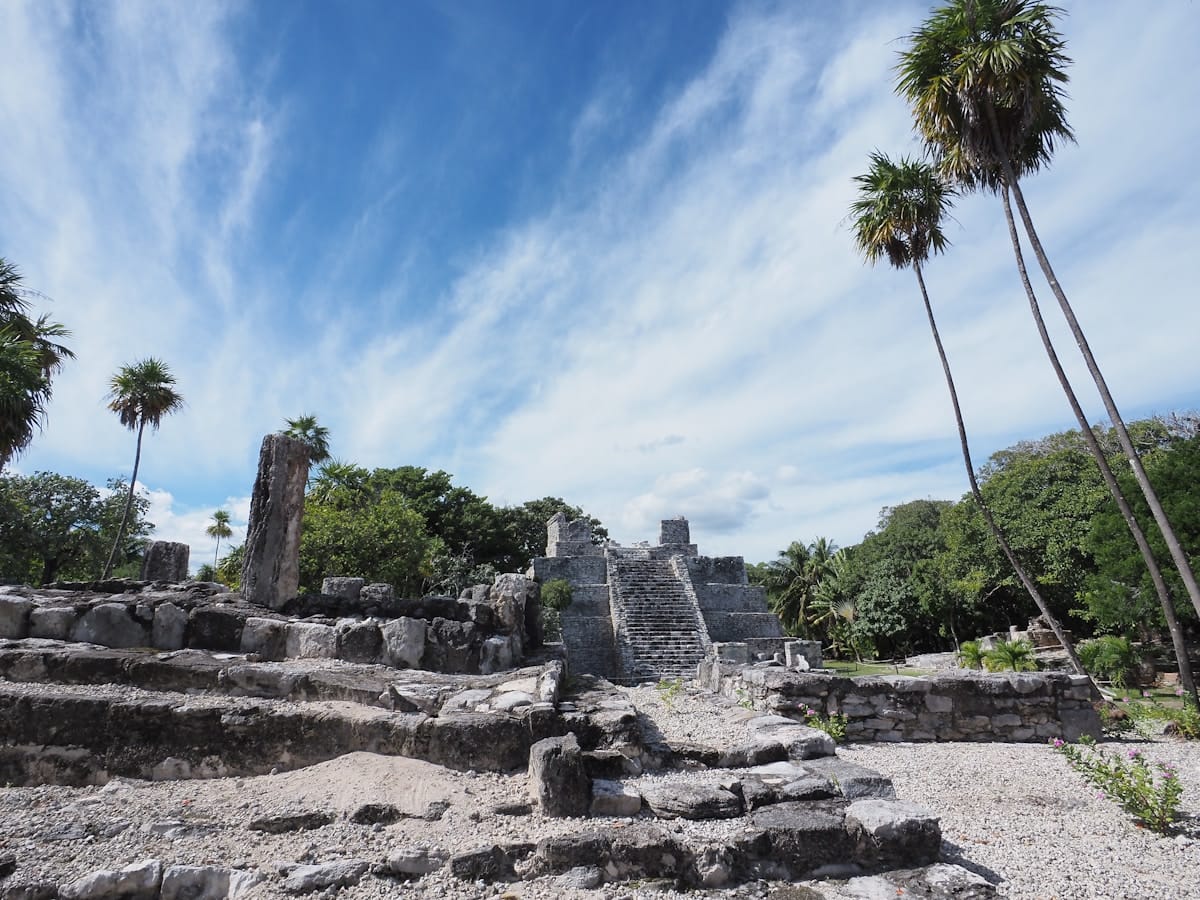
The Yucatán Peninsula has the best density of things to do in Mexico - major Mayan ruins, cenotes, colonial cities, Caribbean beaches, and biosphere reserves - within a compact geography. This 10-day route connects the highlights in a logical west-to-east progression, ending near Cancún for convenient fly-out. The route can be done by bus and colectivo, but hiring a car in Mexico unlocks the Puuc Route ruins, off-highway cenotes, and coastal stops that public transport misses.
Day 1–2: Mérida
Fly into Mérida (or Cancún and bus west). Mérida is the cultural capital of the peninsula.
Day 1: Centro histórico - Plaza Grande, the Catedral de San Ildefonso, and the colonnaded streets around them. Walk Paseo de Montejo (the 19th-century boulevard with Porfirian mansions, some converted to museums). Dinner at Mercado Lucas de Gálvez or a regional restaurant for cochinita pibil. Browse Mérida tours and day trips to add a hacienda or Celestún flamingo boat trip to your stay.
Search hotels in Yucatan on Booking.com
Day 2: Day trip to Celestún Biosphere Reserve (1.5 hours west): boat tour through the mangroves to see flamingo flocks in the lagoon. Return to Mérida by afternoon; evening at the Sunday night cultural event on Plaza Grande (live music and dance, if visiting on a Sunday).
Day 3: Uxmal
The Ruta Puuc - a circuit of five Mayan sites south of Mérida. Start at Uxmal (1 hour from Mérida) when it opens at 8am. The Pyramid of the Magician, the Nunnery Quadrangle, and the Governor’s Palace represent the pinnacle of Puuc architectural style. Continue to Kabah (Palace of Masks), Sayil, and Labná if time allows. Return to Mérida by evening.
Day 4: Izamal and transfer to Chichén Itzá area
Morning: visit Izamal (1.5 hours east of Mérida): the yellow city, its enormous Franciscan convent on a Mayan pyramid base, and its quiet colonial streets.
Afternoon: continue east to Pisté, the small town adjacent to Chichén Itzá. Stay here overnight - it’s significantly cheaper than hotels near the site and puts you at the gates when they open.
Day 5: Chichén Itzá and Valladolid
Chichén Itzá opens at 8am. Arrive first thing to beat the tourist bus rush. Key structures: El Castillo (the pyramid), the Ballcourt, the Temple of the Warriors, and the Sacred Cenote. By 10am the site gets very crowded; plan to leave by 11am or noon. Independent travellers can book tickets online in advance to skip the main entrance queue on busy days.
Drive or bus 30 minutes to Valladolid for lunch. The Mercado Municipal has good regional food. Afternoon: Cenotes Samulá and X’Kekén near Dzitnup (7 km west of Valladolid) - the cathedral-like underground cenote. Stay in Valladolid overnight.
Search hotels in Valladolid on Booking.com
Day 6: Cobá and Tulum
Cobá is 45 km from Tulum via secondary roads (90 minutes from Valladolid). Arrive early: the main pyramid (Nohoch Mul, the tallest in the Yucatán at 42m) can still be climbed, which sets Cobá apart from other sites. Rent a bicycle at the entrance (MXN 80) to navigate the site’s network of jungle paths efficiently.
Continue south to Tulum. Arrive afternoon; check in. Walk the hotel strip along the coast road at dusk.
Day 7: Tulum
The Tulum ruins (clifftop walled Mayan city, 1200–1500 AD) are best visited at 8am before the crowds. Walk down to the small beach below the ruins for a swim. Afternoon: Gran Cenote or Cenote Dos Ojos (both 10–15 minutes from town by taxi or bike). Browse Tulum tours and cenote trips to book a guided cenote experience in advance.
Search hotels in Tulum on Booking.com
Day 8: Sian Ka’an and Bacalar
Morning: boat tour through Sian Ka’an Biosphere Reserve (south of Tulum) - mangrove channels, ancient canals, and wildlife (manatees, dolphins, birds). Half-day tour from Tulum, ~USD 60–80.
Afternoon: bus south to Bacalar (3 hours). Check in lakeside. Evening walk by the lagoon.
Search hotels in Bacalar on Booking.com
Day 9: Bacalar Lagoon
Full day on the Laguna de Bacalar: morning kayak through the Canal de los Piratas, afternoon boat tour to the lagoon’s coloured channels and stromatolites. Swim at multiple stops. Evening from the town’s lakefront restaurants.
Day 10: Return to Cancún
Bus north from Bacalar to Cancún (4–5 hours via ADO). Allow time for a swim at the Hotel Zone beach if your flight is in the evening, or a final lunch in Playa del Carmen (stop en route). Cancún airport.
Plan your trip: tours in Yucatán · flights to Mexico · airport transfers · car hire · travel insurance · Mexico eSIM.
Related City Guides
- Mérida Travel Guide
- Tulum Travel Guide
- Cancún Travel Guide
- Bacalar Travel Guide
- Valladolid Travel Guide
Ready to Plan Your Trip?
See our itineraries for inspiration:
- Yucatan Road Trip - a ten-day Yucatán road trip
- 10 Days Mexico - ten days from the capital to the Caribbean
- 2 Weeks Mexico - the two-week Mexico circuit
Book Your Trip
- Flights - Find the best fares to Mexico
- Travel Insurance - Get covered before you go
- eSIM - Stay connected from landing
- Airport Transfers - Pre-book your transfer from Mexico City or Cancun
- Car Rental - Compare prices across providers
- Tours & Activities - Browse Mexico tours on GetYourGuide