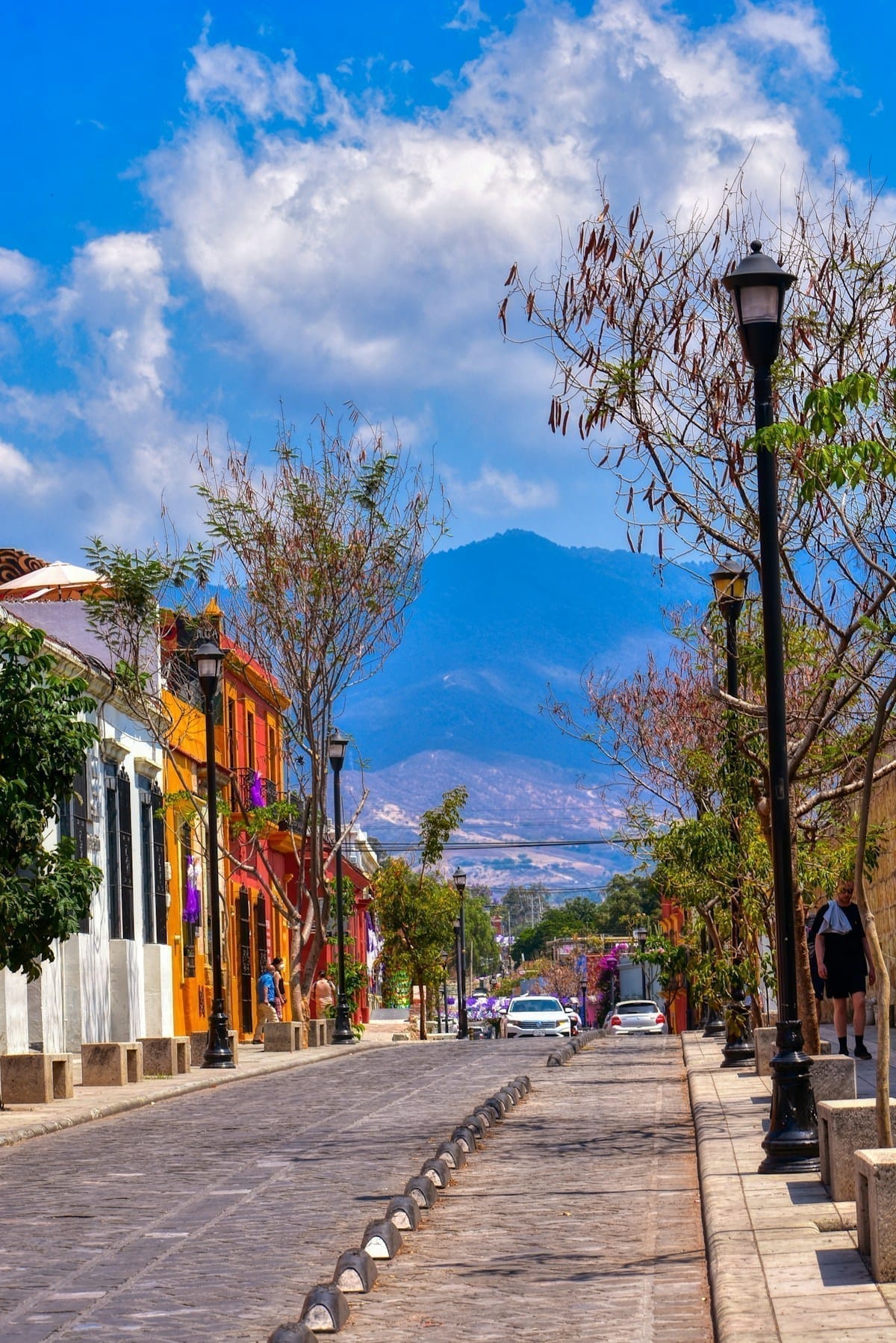
The Mexico City to Oaxaca route is one of the classic Mexican travel corridors - two of the country’s most interesting cities connected by a road that passes through Puebla (itself worth a full day) and a spectacular mountain descent into the Oaxaca valley. Whether you fly direct in an hour, take the scenic overland route over 2–3 days, or catch an overnight bus, the connection between these two cities is one of the best-served in the country.
Transport options comparison
| Option | Duration | Approx. cost | Best for |
|---|---|---|---|
| Direct flight | 1 hour | MXN $800–1,500 | Maximising time in Oaxaca |
| ADO first-class bus | 6–7 hours | MXN $400–600 | Scenic route, budget travel |
| Night bus | 6–7 hours (overnight) | MXN $400–600 | Saving a night’s accommodation |
| Slow route via Puebla | 2–3 days | MXN $300–500 (buses) | Travellers with time |
| Rental car | 5–6 hours (toll road) | MXN $500–900/day + MXN $600 tolls | Flexibility, stops en route |
Direct flight: 1 hour
Aeromexico, Volaris, and VivaAerobus all serve the CDMX–Oaxaca route with multiple daily flights. Most depart from Terminal 2 at AICM (MEX). Booked 2–3 weeks in advance: approximately MXN $800–1,500 one-way. Last-minute fares can reach MXN $3,000–4,000.
Oaxaca’s airport (Xoxocotlán, OAX) is 7 km south of the city centre. Taxi to the historic centre approximately MXN $200 (buy a voucher at the taxi desk inside the terminal). No Uber from the airport - taxi is the only option.
Best option if you want to maximise time in Oaxaca and have a short trip.
ADO bus: 6–7 hours
ADO first-class buses depart from TAPO (Terminal de Autobuses de Pasajeros del Oriente) in Mexico City. Several daily departures from early morning to late evening. The night bus (departing 10 pm–midnight, arriving 4–6 am) saves a night’s accommodation cost.
- First-class: approximately MXN $400–550. Reclining seats, air conditioning, onboard toilet, one piece of luggage
- ADO GL (Gran Lujo): approximately MXN $550–700. Wider seats, more recline, individual screens - worth the upgrade for overnight travel
- Book online at ado.com.mx or at the TAPO terminal. Online booking 1–2 weeks ahead usually secures lower prices
The journey: Highway 135D through the Sierra Madre del Sur. The first 3 hours cross the high central plateau, then the road begins a long, winding descent through cloud forest and mountains into the Valley of Oaxaca. The final approach - when the valley opens below you - is one of Mexico’s most scenic arrivals. Sit on the left side of the bus for the best views.
Oaxaca bus terminal: The first-class terminal is on the north side of the city, approximately MXN $50 by taxi to the historic centre (10 minutes).
The slow route via Puebla
Breaking the journey in Puebla (2 hours from CDMX by Estrella Roja bus, approximately MXN $200–300, departures every 20 minutes from CAPU terminal or directly from AICM airport) adds significant value to the trip. Puebla deserves at least one full day - it is one of Mexico’s most beautiful cities in its own right.
Puebla (1–2 days)
What to see:
- Puebla Cathedral - one of the finest in Mexico, with twin 69-metre bell towers. The interior has an octagonal altar by Manuel Tolsá. Free entry
- Cholula (10 minutes from Puebla by colectivo, approximately MXN $10) - the Great Pyramid of Cholula is the largest pyramid by volume in the world (surpassing the Great Pyramid of Giza), though it is largely buried under a hill. Tunnels through the interior are accessible (approximately MXN $85 entry). The Santuario de los Remedios church sits on top - the view of Popocatépetl volcano from here is iconic
- Talavera workshops: Uriarte (one of the oldest certified workshops, free tours on weekdays) and Talavera de la Reyna offer guided demonstrations of the ceramic process. Puebla is the only legitimate source of certified Talavera
- Biblioteca Palafoxiana - the oldest public library in the Americas (1646), with 45,000 volumes. Entry approximately MXN $45
- Callejón de los Sapos (Alley of the Frogs) - antique shops and cafés in a colonial lane. Weekend market
Where to eat in Puebla:
- Mole poblano: the dish originated here. Fonda de Santa Clara (mains approximately MXN $120–200) serves the classic version
- Chiles en nogada (seasonal, August–September): poblano pepper stuffed with picadillo, walnut cream sauce, and pomegranate. Available at most traditional restaurants during the season
- Cemitas (the Puebla sandwich): Cemitas las Poblanitas at Mercado el Carmen (approximately MXN $60–100)
- Dulces típicos: Calle de los Dulces (Calle 6 Oriente) has shops selling camotes, borrachitos, and other Puebla sweets
Where to stay in Puebla:
- Budget: Hostel Casa de Don Pedro (dorms approximately MXN $250)
- Mid-range: Hotel Colonial de Puebla (approximately MXN $800–1,200)
- Boutique: La Purificadora (approximately MXN $2,500–4,000, Enrique Norten design)
Search hotels in Puebla on Booking.com
Puebla to Oaxaca
ADO bus from Puebla’s CAPU terminal: approximately 4 hours, approximately MXN $300–450. Several daily departures. The road passes through the Mixteca region - mountainous and scenic.
Optional: Tehuacán detour
Tehuacán (approximately MXN $150 by bus from Puebla, 2.5 hours) is a dry highland city known as the capital of mineral water - several of Mexico’s major sparkling water brands (Peñafiel, Garci Crespo) source from springs here. The Tehuacán-Cuicatlán Valley biosphere reserve (UNESCO World Heritage) contains one of the most biodiverse arid ecosystems in the Americas - giant columnar cacti, endemic bird species, and archaeological sites showing the earliest evidence of maize cultivation. Requires an extra day and is best with a rental car or guided tour. From Tehuacán, continue to Oaxaca by bus (approximately 3 hours, MXN $200–300).
The 5-day CDMX–Oaxaca corridor itinerary
Day 1: Mexico City - Centro Histórico
Arrive at AICM. Check in to your hotel. Walk the Zócalo, enter the Metropolitan Cathedral, and visit the Templo Mayor ruins and museum (MXN $90 - the excavated Aztec temple complex is directly beside the cathedral). Walk pedestrianised Calle Madero to the Palacio de Bellas Artes (free lobby entry - Rivera’s “Man at the Crossroads” mural and Orozco’s work are on the upper floors). Evening dinner at the Centro Histórico restaurants or taxi to Roma for tacos.
Budget stay: Hostel Mundo Joven Catedral (Centro, dorms approximately MXN $350) | Mid-range: Zócalo Central Hotel (approximately MXN $1,500–2,000, rooftop with Zócalo view) | Boutique: Downtown Beds (approximately MXN $2,500–3,500)
Search hotels in Mexico City on Booking.com
Day 2: Teotihuacán + bus to Puebla
Early bus to Teotihuacán from Terminal Norte (approximately MXN $60, departures from 6 am, 1 hour). Arrive at 8 am opening. Walk the Avenue of the Dead, climb the Pyramid of the Sun and the Pyramid of the Moon, see the Temple of Quetzalcóatl at the Ciudadela. Entry approximately MXN $90. Allow 3–4 hours.
Return to CDMX by early afternoon. Estrella Roja bus to Puebla from CAPU or directly from AICM airport (approximately MXN $200–300, 2 hours, departures every 20 minutes). Arrive Puebla by evening. Walk to the Zócalo for dinner - mole poblano at one of the restaurants facing the cathedral.
Budget stay: Hostel Casa de Don Pedro (approximately MXN $250) | Mid-range: Hotel Colonial (approximately MXN $800–1,200) | Boutique: La Purificadora (approximately MXN $2,500–4,000)
Day 3: Puebla + Cholula
Morning at Cholula - colectivo from Puebla (approximately MXN $10, 10 minutes). Explore the tunnels inside the Great Pyramid (approximately MXN $85) and climb to the Santuario de los Remedios church on top for the Popocatépetl volcano view. Return to Puebla for lunch - cemitas at Mercado el Carmen or mole at Fonda de Santa Clara. Afternoon: Talavera workshop tour at Uriarte (free on weekdays), Biblioteca Palafoxiana (approximately MXN $45), and the Capilla del Rosario inside Santo Domingo church (one of the most ornate Baroque interiors in Mexico - free entry, overwhelming gold leaf). Evening at Callejón de los Sapos for drinks.
Day 4: Bus to Oaxaca + evening arrival
Morning ADO bus from Puebla CAPU to Oaxaca (approximately MXN $300–450, 4 hours). Arrive midday. Check in, walk the Andador Turístico and the Zócalo. Lunch at Mercado 20 de Noviembre - the smoke corridor for grilled tasajo, cecina, and chorizo with handmade tortillas (approximately MXN $80–120). Afternoon exploring the market stalls and Calle Alcalá shops. Evening: mezcal at In Situ (flights approximately MXN $150–300) or Mezcaloteca (educational tastings, approximately MXN $250 for a guided flight).
Budget stay: Casa Angel Youth Hostel (approximately MXN $250) | Mid-range: Hotel Casa de Sierra Azul (approximately MXN $1,200–1,800) | Boutique: Casa Oaxaca (approximately MXN $3,500–5,000)
Search hotels in Oaxaca on Booking.com
Day 5: Monte Albán + Oaxaca
Morning at Monte Albán - buses from Calle Mina near the second-class terminal (approximately MXN $70 return, departures every 30 minutes from 8 am, 30 minutes). The Zapotec hilltop city: the Gran Plaza, the Danzantes stone carvings (depicting captive rulers), the astronomical observatory, and 360-degree views across the valley. Entry approximately MXN $90. Allow 2–3 hours.
Return by noon. Afternoon at the Santo Domingo complex - the church (free, extraordinary gilded interior), the Museo de las Culturas de Oaxaca (MXN $85 - the Mixtec gold treasures from Monte Albán’s Tomb 7 are here), and the Ethnobotanical Garden (guided tours only, approximately MXN $100, check schedule). Final dinner: mole negro at Los Danzantes (mains approximately MXN $200–350) or tlayudas at the market.
Budget estimate for the 5-day corridor
| Category | Budget | Mid-range | Boutique |
|---|---|---|---|
| Accommodation (5 nights) | MXN $1,500 | MXN $6,500 | MXN $15,000 |
| Food (5 days) | MXN $1,250 | MXN $3,000 | MXN $5,000 |
| Transport (buses CDMX→Puebla→Oaxaca + Teotihuacán) | MXN $500 | MXN $500 | MXN $1,500 (flights) |
| Activities + entry fees | MXN $500 | MXN $1,200 | MXN $2,500 |
| Total |
All prices approximate, as of 2026. Excludes international flights.
What to know about Oaxaca
- Altitude: 1,550 m - similar to Mexico City. No altitude adjustment required if arriving from CDMX
- Best time: November through March for clear skies and mild temperatures (15–27°C). Late October coincides with Día de Muertos - a spectacular celebration but accommodation fills months in advance
- Getting around: The historic centre is entirely walkable. Taxis are metered and cheap (approximately MXN $30–50 within the centre). Uber operates. Colectivos to valley villages depart from the second-class terminal
- Oaxaca → next destination: Fly to CDMX (1 hour), fly to Cancún via CDMX (connections), or overnight ADO bus to San Cristóbal de las Casas (10 hours, approximately MXN $700–1,000) to continue the southern Mexico circuit
Plan your trip: tours in Oaxaca · tours in Mexico City · flights to Mexico · airport transfers · car hire · travel insurance · Mexico eSIM.
Related City Guides
- Puebla Travel Guide
- Oaxaca City Travel Guide
- Mexico City Travel Guide
- Things to Do in Mexico City
- Things to Do in Oaxaca City
- Oaxacan Mole Guide - the food that defines the Oaxaca stop
- Monte Albán Ruins - the Zapotec archaeological site, 9 km from Oaxaca City
- Oaxaca–Chiapas Itinerary - the natural extension south from Oaxaca
Ready to Plan Your Trip?
See our itineraries for inspiration:
- Oaxaca Chiapas Itinerary - ten days through Oaxaca and Chiapas
- 1 Week Mexico - one week covering Mexico City, Oaxaca and the beach
- 2 Weeks Mexico - the two-week Mexico circuit
Book Your Trip
- Flights - Find the best fares to Mexico
- Travel Insurance - Get covered before you go
- eSIM - Stay connected from landing
- Airport Transfers - Pre-book your transfer from Mexico City or Cancun
- Car Rental - Compare prices across providers
- Tours & Activities - Browse Mexico tours on GetYourGuide