Oaxaca City Travel Guide
Oaxaca City: mezcal tastings, mole cuisine, Monte Alban Zapotec ruins (MXN 75), colonial streets, and the Central Market. Neighbourhoods covered.
Guides for Oaxaca City
Oaxaca City consistently appears on lists of the best cities in the Americas to eat in, and the hype is justified. But it is not just the food: the city has some of Mexico’s finest colonial architecture, the major archaeological site of Monte Albán on the hill above town, a thriving mezcal scene, and a living indigenous culture - particularly Zapotec and Mixtec - that shapes everything from the crafts to the cooking to the language you hear in the markets. At 1,550 m above sea level, the climate is mild year-round.
The city centre
The Zócalo (main square) is surrounded by colonial-era arcades with cafes underneath and is the social heart of the city - live music, food vendors, and people-watching from morning until late. Two blocks north along the pedestrianised Calle Macedonio Alcalá is the Templo de Santo Domingo, a Dominican church with one of the most ornate baroque interiors in Mexico - the gilded ceiling is a three-dimensional genealogical tree of the Dominican order. Adjacent to it is the Museo de las Culturas de Oaxaca (entry approximately MXN $90, Tue–Sun 10:00–18:00 as of 2026), which houses the complete Tomb 7 assemblage from Monte Albán - gold, jade, and turquoise jewellery from a Mixtec burial, displayed intact.
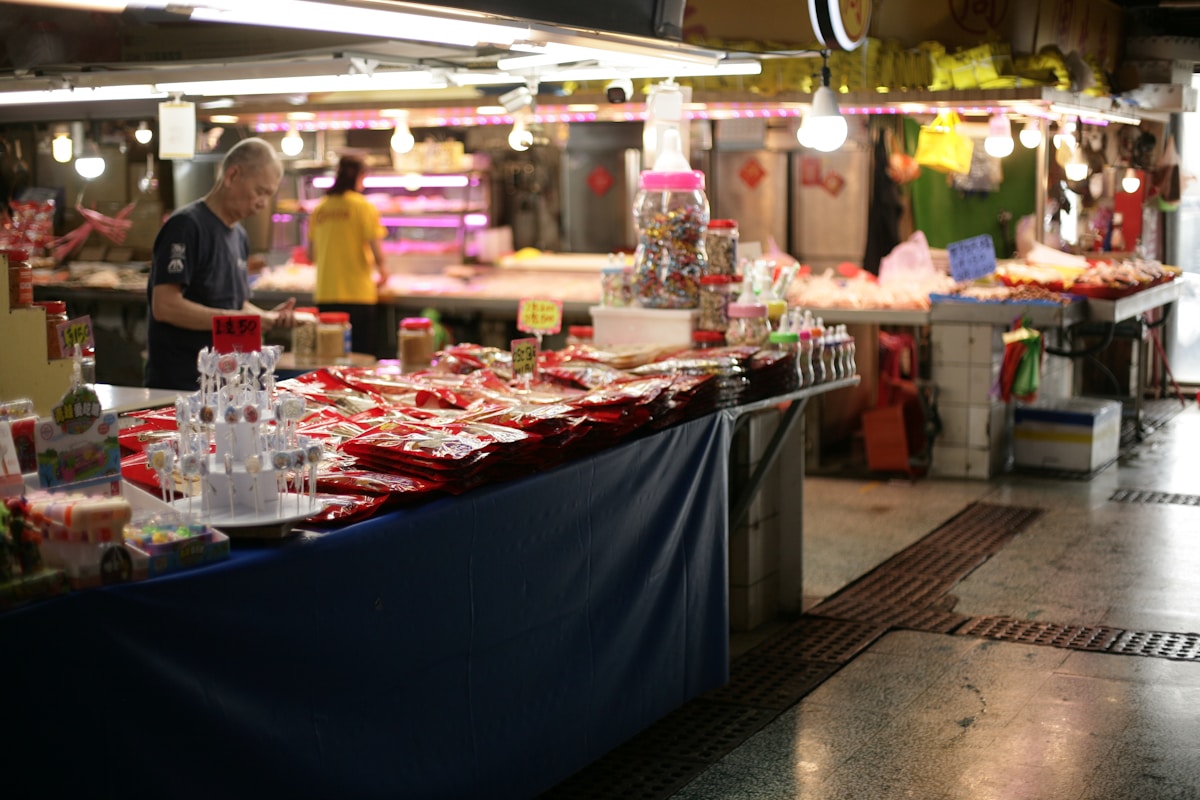
The Mercado Benito Juárez and Mercado 20 de Noviembre sit side by side a few blocks south of the Zócalo. Juárez is for everyday goods, dried chillies, chocolate, and Oaxacan cheese. 20 de Noviembre has the Pasillo de los Humos (Smoky Corridor) - a row of charcoal grills where you choose your meat (tasajo, chorizo, cecina) and it is grilled to order for approximately MXN $50–100 per portion, served with handmade tortillas, salsa, and nopales.
What to see and do
| Sight | Entry Fee | Notes |
|---|---|---|
| Museo de las Culturas de Oaxaca | ~MXN $90 | Zapotec/Mixtec artefacts, Tomb 7 gold. Tue–Sun 10:00–18:00 |
| Templo de Santo Domingo | Free | Baroque masterpiece. Adjacent to the museum |
| Monte Albán | ~MXN $209 | Zapotec mountaintop capital. 9 km west, shuttle MXN $120 return |
| Hierve el Agua | ~MXN $30 | Petrified waterfalls. 75 km southeast |
| Mitla ruins | ~MXN $75 | Geometric stone mosaics. 45 km east |
| El Árbol del Tule | ~MXN $20 | World’s widest tree (14 m diameter). 10 km east |
Entry fees approximate, as of 2026.
Food
Oaxacan cuisine is one of Mexico’s most complex. The seven moles (negro, coloradito, amarillo, verde, chichilo, rojo, manchamanteles) are the foundation - mole negro alone can contain 30+ ingredients. Tasajo (dried beef), chapulines (toasted grasshoppers with lime and salt), and tlayudas (large crispy tortillas with bean paste, meat, and cheese) are local staples. Market fondas serve comida corrida from approximately MXN $50–80.
For mezcal, the village of Matatlán (30 minutes southeast) is the world capital of mezcal production. Dozens of small palenques (distilleries) welcome visitors - tours are informal and usually free, with tasting included. For an organised mezcal distillery tour with transport from the city, browse options on GetYourGuide. In the city, mezcal bars along Calle Macedonio Alcalá and the surrounding streets serve single-village, single-agave bottles from approximately MXN $60–120 per pour.
Where to stay
| Budget | Mid-range | Luxury |
|---|---|---|
| Hostels from ~MXN $450/night (dorm) | Boutique hotels ~MXN $1,500–3,000/night | From ~MXN $5,000/night |
The historic centre is compact and walkable - staying within 10 blocks of the Zócalo puts you within walking distance of markets, restaurants, and museums. Hostal Casa del Sótano offers dorms from approximately MXN $450 and private rooms from MXN $900. Hotel Casa Antonieta (from approximately MXN $2,000/night) and Casa Oaxaca (from approximately MXN $4,000/night) are well-regarded mid-range and boutique options near Santo Domingo. Hotel Quinta Real (from approximately MXN $5,000/night) is a converted 16th-century convent.
Prices rise significantly during Guelaguetza (July) and Día de Muertos (late October–early November) - book 2–3 months ahead for these periods.
Day trips
Monte Albán - the ancient Zapotec capital, 9 km west on a levelled mountaintop at 1,940 m. Founded around 500 BCE, it controlled the valley for over a thousand years. The main plaza, ball court, observatory, and carved Danzante stelae are well-preserved. Entry approximately MXN $209 as of 2026. Shuttle buses from Calle Mina (near the second-class bus terminal) cost approximately MXN $120 return, departing every 30–60 minutes. Taxis cost approximately MXN $150–250 one way. Allow 2–3 hours on-site.
Hierve el Agua - petrified waterfalls 75 km southeast where mineral-rich springs have built up cliff-edge calcite formations over millennia, with swimmable natural pools at the top and views across the Oaxacan sierra. Entry approximately MXN $30. Getting there independently: colectivo to Mitla then a second colectivo (approximately 2 hours total, MXN $100–150 combined). Organised tours from the city combine this with Mitla and a mezcal distillery for approximately MXN $400–600 per person — browse Oaxaca day tours on GetYourGuide for current options. For last-minute availability on day trips and guided excursions from Oaxaca, check our last-minute tours page.
Craft villages - a full day covers several: Teotitlán del Valle (hand-woven rugs on traditional looms, natural dyes), San Bartolo Coyotepec (barro negro black clay pottery), Arrazola (alebrijes - painted wooden animals), and Atzompa (green-glazed ceramics). Each is within an hour of the city. Buying directly from the artisans is significantly cheaper than city shops and supports the makers directly.
Getting there
By air: Oaxaca International Airport (OAX) has direct flights from Mexico City (1 hour, from approximately MXN $1,500 each way on Volaris or VivaAerobus). Taxis from the airport to the centre cost approximately MXN $200–300.
By bus: ADO first-class buses from Mexico City’s TAPO terminal take approximately 6 hours (from MXN $600 each way). Overnight buses are available and save on a night’s accommodation.
When to go
The valley climate is mild year-round (18–28°C). Guelaguetza (late July) is Oaxaca’s most important cultural festival - indigenous dances, music, and food from across the state. Amphitheatre performances require tickets (from approximately MXN $200); the street celebrations are free. Día de Muertos (1–2 November) is celebrated with particular intensity: candlelit cemetery vigils, elaborate altars, and parades. Both periods fill accommodation weeks in advance. November–April is dry season and the most comfortable period. May–September brings afternoon rain, usually clearing by evening.
More Oaxaca City Guides
- Best Restaurants in Oaxaca City
- Cooking Classes in Oaxaca City
- Day Trips in Oaxaca City
- Food to Try in Oaxaca City
- Things to Do in Oaxaca City
- Where to Stay in Oaxaca City
- Best Tours in Oaxaca City - Monte Albán ruins, mezcal distilleries and weaving villages
Comparison Guides
Plan your trip: tours in Oaxaca · flights to Mexico · travel insurance · eSIM for Mexico.
See Also
- Oaxaca Mezcal Tours - palenque visits in Santiago Matatlán and city-based tastings
- Guelaguetza Festival - Oaxaca’s most important cultural event, last two Mondays of July
- Oaxacan Mole Guide - the seven moles explained, with the best places to try each
- Monte Albán Ruins - the Zapotec mountaintop capital, 9 km west of the city centre
- San Cristóbal de las Casas Travel Guide - 12 hours southeast by overnight bus, the Chiapas highland city most often paired with Oaxaca
- Oaxaca–Chiapas Itinerary - the southern Mexico route connecting both highland cities
- Vegan Guide to Oaxaca - plant-based eating in a city built on meat and cheese
- Coffee in Mexico - Oaxaca’s café scene, Pluma Hidalgo beans, and the stone-ground chocolate-coffee tradition
Upcoming Events in Oaxaca City
Día de Muertos 2026
oaxaca city
Día de Muertos 2026, 1–2 November. Cemetery vigils, ofrendas, and marigold altars in Oaxaca, Pátzcuaro, and Mexico City draw the biggest crowds.
Book an experience
Top experiences in Oaxaca City
Explore the best tours and activities in Oaxaca City, with instant confirmation and free cancellation on most bookings.
Find hotels in Oaxaca City
Compare rates and availability across hundreds of options, free cancellation on most.
Browse hotels in Oaxaca City →Affiliate link; commission earned at no cost to you.