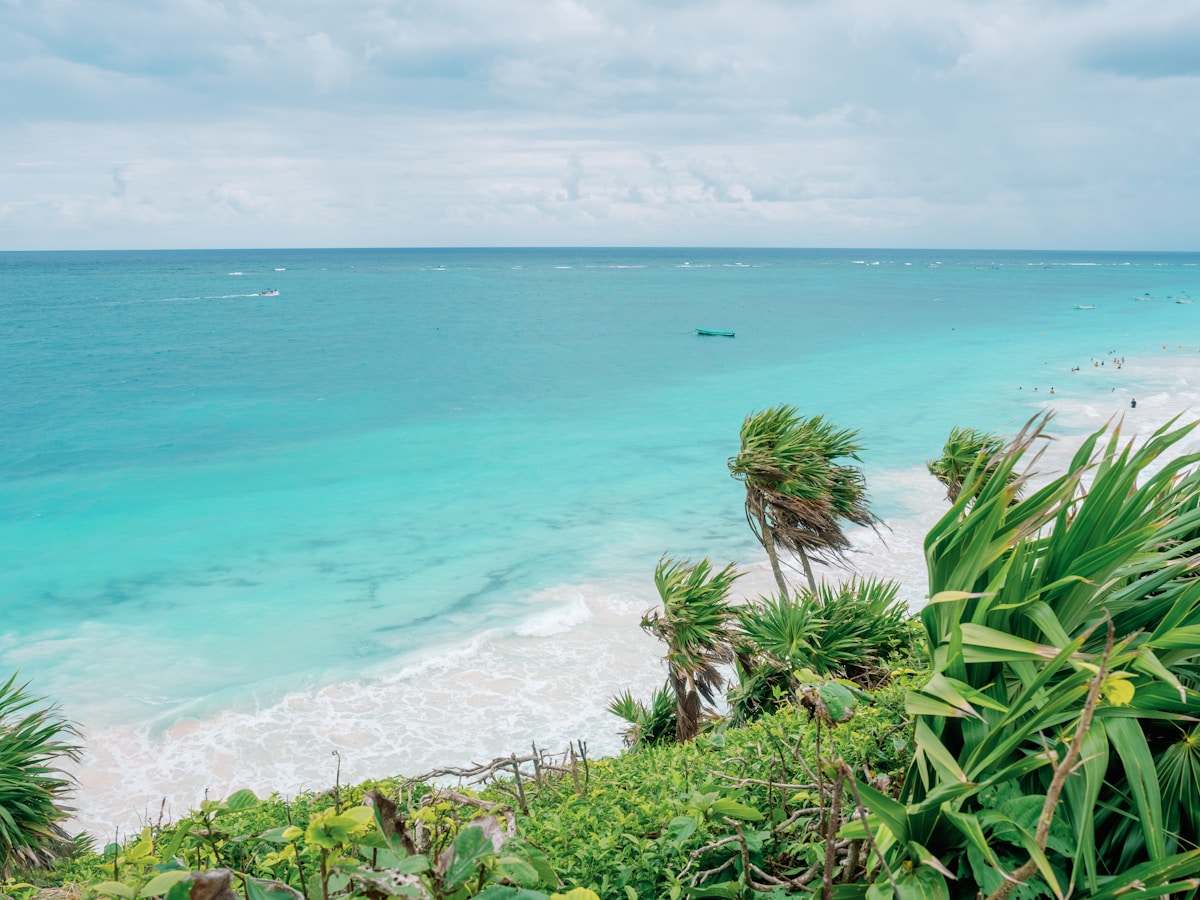
August is the peak of Mexico’s hurricane season on the Caribbean coast and the Gulf. It’s still a popular month due to European school holidays, but weather risks are real and travel insurance with hurricane coverage is essential for Caribbean bookings. Inland and highland destinations offer a safer alternative with equally rich experiences.
Hurricane risk
The Atlantic hurricane season peaks in August-October. The Yucatán Peninsula, the Gulf coast, and the Pacific coast of Jalisco and Nayarit are all potentially in hurricane paths. Statistically, most Augusts pass without a major direct hit, but:
- Book refundable accommodation only for Caribbean coast stays
- Get travel insurance that covers hurricane-related disruption (not just cancellation)
- Monitor weather forecasts from 7-10 days before arrival
- Have a flexible backup plan - Mexico City or the highlands are always reachable from the coast
Pacific: Pacific hurricane season also peaks August-September, affecting Baja California Sur, Jalisco, and Nayarit. Los Cabos occasionally gets glancing hits from Pacific storms.
Weather
| City | Avg High °C | Avg Low °C | Rain Days | Humidity | Crowd Level |
|---|---|---|---|---|---|
| Mexico City | 22 | 14 | 17 | High | Moderate |
| Cancún | 33 | 25 | 10 | Very High | High |
| Guadalajara | 27 | 17 | 18 | High | Moderate |
Caribbean coast: 32-35°C, very humid, afternoon rain, potential tropical storms. Sargassum seaweed accumulation is often worst in August on the Riviera Maya beaches - check recent reports for specific beaches before booking.
Mexico City: 18-22°C, rainy afternoons, cool nights. Still comfortable for city exploration. The rain keeps the city green and the air cleaner than dry season. Museums, markets, and the food scene are unaffected by coastal weather.
Oaxaca: 22-27°C, some rain. The city’s altitude keeps it cooler than the coast. The surrounding hills are at their greenest.
Pacific coast: hot (30-34°C) with regular afternoon rain. Puerto Escondido has powerful summer surf - Zicatela breaks are at their most intense in August.
What’s still good in August
Whale sharks: the Holbox and Yucatán aggregation is still active through most of August. Whale shark tours continue, though visibility can be reduced by plankton blooms. The season typically winds down by late August or early September.
Sea turtle nesting: August is peak nesting for multiple species. The Oaxacan coast mass arribadas (Olive Ridley mass nesting) are active - Escobilla beach can see thousands of turtles in a single night. Pacific leatherbacks nest in Jalisco and Nayarit. Caribbean greens nest at Akumal and along the Riviera Maya.
Cenotes: remain excellent year-round and are unaffected by hurricane weather. Cenote water temperatures are at their warmest in August. Clarity is lower than dry season but still good in the deeper cenotes around Valladolid and the Ruta de los Cenotes near Puerto Morelos.
Mexico City: museums, food, and cultural life are unaffected by coastal hurricane risks. August can be excellent for CDMX visits - the altitude keeps temperatures moderate, and the greenery from the rainy season transforms parks like Chapultepec and Coyoacán.
Chiles en Nogada season
Poblano chillies stuffed with picadillo (minced meat with fruit and nuts), topped with walnut cream sauce and pomegranate seeds - a patriotic dish representing the Mexican flag colours (green, white, red). Available in Puebla and Mexico City restaurants from approximately mid-August through September, when fresh walnuts and pomegranates are in season. This is one of Mexican cuisine’s most celebrated seasonal dishes, and restaurants compete to produce the best version.
Prices
August pricing is mixed. Caribbean coast resorts remain at summer-high rates due to European holiday demand, but last-minute deals appear when hurricane forecasts spook travellers. Mexico City, Oaxaca, and the colonial cities offer reasonable rates throughout August - these inland destinations don’t carry the weather risk premium.
Highland alternatives
If hurricane risk puts you off the coasts, August is a strong month for Mexico’s highland cities. Mexico City’s altitude (2,240 m) keeps temperatures moderate, and the cultural calendar runs year-round. Puebla, Guanajuato, San Miguel de Allende, and Querétaro all offer comfortable weather, excellent food, and none of the coastal storm anxiety. Oaxaca’s altitude (1,550 m) similarly keeps it cooler than the lowlands, with mezcal tastings, market visits, and Monte Albán all better enjoyed without the dry-season heat.
Related City Guides
Ready to Plan Your Trip?
See our itineraries for inspiration:
- 1 Week Mexico - one week covering Mexico City, Oaxaca and the beach
- 10 Days Mexico - ten days from the capital to the Caribbean
- 2 Weeks Mexico - the two-week Mexico circuit
- Budget Mexico Itinerary - a full Mexico trip on a budget