July is one of the busiest months for international tourism in Mexico - school holidays bring families from the US, Canada, and Europe. Whale shark season peaks, Oaxaca hosts its most important festival, and the rainy season is in full effect but rarely disrupts a full day’s plans.
Guelaguetza in Oaxaca: Indigenous Dance Communities Perform at Cerro del Fortín
Oaxaca’s most important cultural festival takes place on the two Mondays following 16 July each year. Indigenous communities from across Oaxaca state come to the city to perform traditional dances, music, and food ceremonies in the outdoor amphitheatre on Cerro del Fortín. Each community wears distinct traditional dress - the Danza de la Pluma from the Central Valleys, the Flor de Piña from Tuxtepec, and the Jarabe Mixteco are among the most recognisable performances. Pair the festival with Oaxaca City tours for Monte Albán and the mezcal villages.
Tickets: the main stadium performances require advance purchase (book months ahead; they sell out quickly). Street and neighbourhood celebrations - called calendas - around the festival are free and often more intimate than the stadium events.
Accommodation: Oaxaca City hotels fill completely for Guelaguetza. Book at least 2-3 months in advance. Prices are at their annual peak for the city.
Isla Mujeres Whale Shark Aggregation Peaks - Dozens of Animals in the Water
July-August is peak whale shark season off Holbox and the Yucatán north coast. Numbers are at maximum - dozens of whale sharks in the aggregation area simultaneously. More boats than in May-June, but the concentration of animals is higher, making sightings almost guaranteed. Our whale shark swimming guide explains how to choose an operator.
Tip: smaller operators with group-size limits offer better experiences than the larger commercial tours. Check whether your operator follows the official guidelines (no touching, minimum approach distance, limited time in the water per encounter).
Guadalajara Monsoon Peaks and Mexico City Stays Cool at 2,240 Metres
| City | Avg High °C | Avg Low °C | Rainfall mm | Humidity | Crowd Level | Best For |
|---|---|---|---|---|---|---|
| Mexico City | 23 | 14 | ~160 | High | Moderate | Altitude keeps temps manageable; rich museum scene |
| Cancún | 33 | 25 | ~130 | Very High | High | Whale shark day trips to Isla Mujeres |
| Oaxaca | 26 | 16 | ~90 | Moderate–High | High (Guelaguetza) | Guelaguetza festival - book months ahead |
| Puerto Vallarta | 32 | 24 | ~170 | Very High | Low | Pacific surf at its strongest |
| Los Cabos | 34 | 25 | ~10 | Moderate | Low | Baja stays drier than mainland Pacific |
| Guadalajara | 28 | 17 | ~187 | High | Moderate | Affordable summer; domestic family travel |
| San Miguel de Allende | 27 | 15 | ~115 | High | Low | Highland escape from coastal heat and storms |
| Tulum | 33 | 24 | ~115 | Very High | High | School holiday season; book accommodation early |
Regional variation note: July is Mexico’s rainiest month by rain-day count in highland cities. Mexico City (2,240 m) receives approximately 160 mm across around 18 rainy days but stays cool at 18–23°C. Cancún (sea level) gets around 130 mm with intense heat and humidity at 33°C. Guadalajara (1,560 m) receives the most total rainfall of the list at approximately 187 mm in a concentrated monsoon pattern. Oaxaca (1,550 m) is the sweet spot for July: around 90 mm rainfall, highs of 22–26°C, and the Guelaguetza festival. Los Cabos is a notable outlier - only approximately 10 mm in July - as Baja’s rain shadow keeps it far drier than the mainland Pacific coast. Puerto Vallarta, by contrast, is in its heaviest rain period at around 170 mm. San Miguel de Allende (1,900 m) sits in the middle at around 115 mm, with its altitude keeping temperatures in the mid-20s rather than the 33°C of the Caribbean coast. Tulum mirrors Cancún’s Caribbean heat and humidity.
Caribbean coast: hot (32-34°C), humid, afternoon showers. Hurricane risk starts building from July - monitor weather forecasts if visiting coastal areas. Sargassum seaweed can be present on some Riviera Maya beaches.
Pacific coast: hot and humid with regular afternoon rain. Puerto Vallarta, Sayulita, and Puerto Escondido see consistent afternoon showers. The ocean is warm and the surf on the Pacific coast is at its strongest.
Mexico City: 18-22°C (cool for summer due to altitude), afternoon rain, pleasant mornings. One of the best months to visit the capital if you don’t mind afternoon showers. The city’s parks and gardens are at their greenest.
Oaxaca City: 22-26°C, some afternoon rain. Comfortable for sightseeing between Guelaguetza events.
School Holiday Demand Packs the Riviera Maya - Cenotes at Their Most Crowded
July brings the highest international tourist numbers of the year to the Riviera Maya. Cenotes near Tulum are at their most crowded - arrive before 9 am at popular sites like Gran Cenote and Cenote Dos Ojos. Book accommodation well in advance. Prices are at summer peaks across beach destinations.
Alternatives for July: Mexico City and Oaxaca (outside Guelaguetza week) have fewer crowds relative to their visitor capacity. The Pacific coast sees fewer US and European visitors than the Caribbean coast. Guanajuato, San Miguel de Allende, and Puebla are quieter options with cooler highland weather.
Escobilla Beach Olive Ridley Arribadas and Akumal Nesting Turtles
Multiple turtle species are nesting on both coasts in July. The Oaxacan Pacific coast (Mazunte, Escobilla) sees mass Olive Ridley nestings (arribadas) - thousands of turtles arriving on a single beach over a few nights. Night turtle tours on the Caribbean coast (Akumal, Puerto Morelos) offer the chance to watch nesting females.
Cenote Visibility Drops as Rains Add Runoff - Deep Cenotes Stay Clear
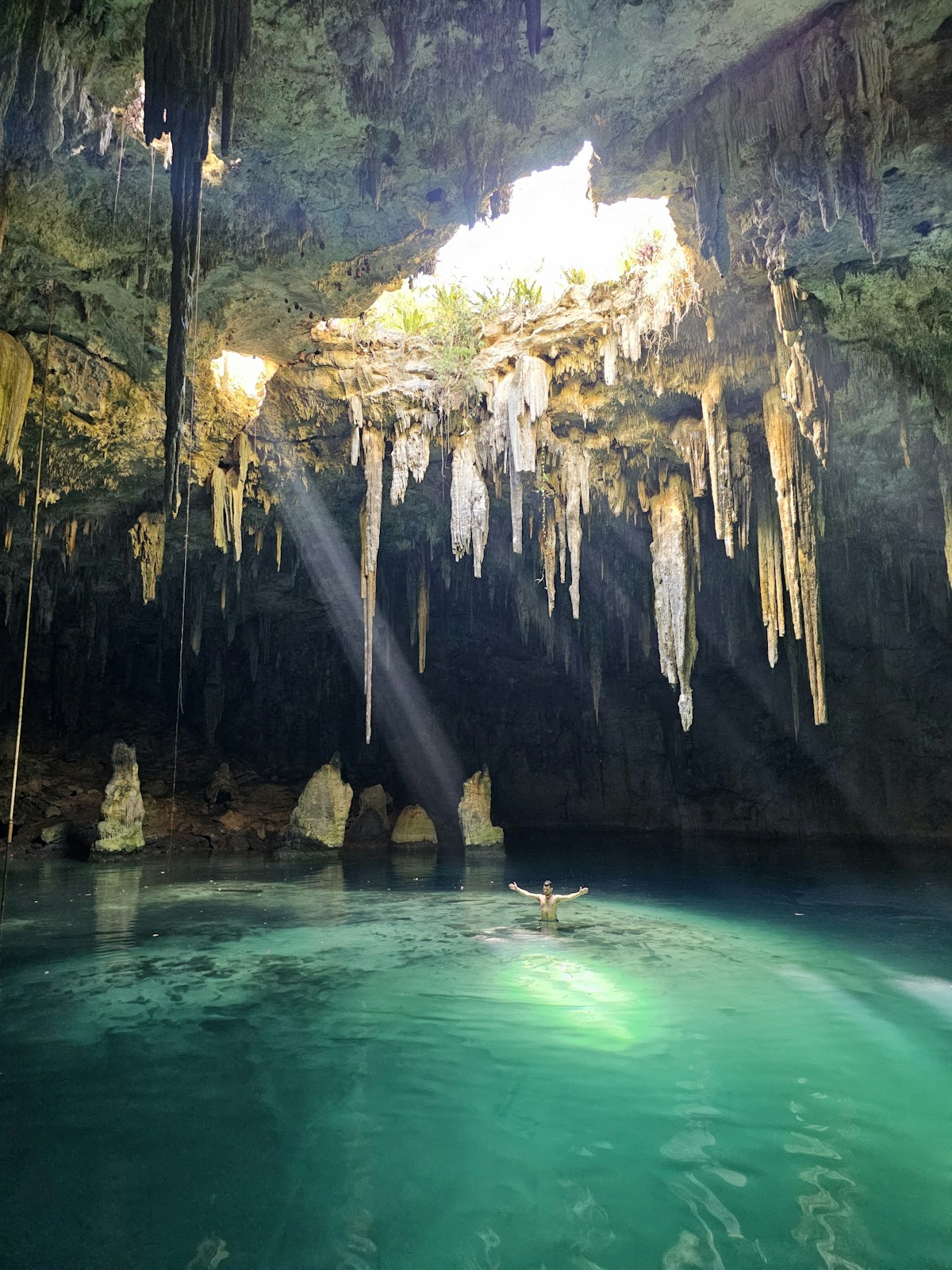
July rain adds surface runoff to the underground water system, and cenote visibility begins to decrease compared to the dry season months. The effect varies by cenote - deep cenotes like Suytun and Ik Kil maintain good clarity, while shallower open cenotes may turn slightly green. Still excellent swimming, just less of the crystalline blue that dry-season photos show.
Rain Gear, Mosquito Repellent, and Booking Activities Weeks Ahead
Pack a rain jacket for afternoon showers - they arrive reliably and pass within a couple of hours. Mosquito repellent is essential in lowland areas where standing water accumulates. Book popular activities (whale shark tours, Guelaguetza tickets, cenote tours) well in advance - July’s school holiday demand means last-minute availability is limited, especially in the Riviera Maya.
For a closer look at the Caribbean coast this month, see our Cancún in July guide with weather, crowds and prices for the Hotel Zone.
Plan your trip: tours across Mexico · flights to Mexico · travel insurance.
Related Guides
- Oaxaca City Travel Guide
- Mexico City Travel Guide
- Holbox Travel Guide - the best base for whale shark tours in July
- Guelaguetza Festival Guide - booking details and what to expect at the July festival
- Best Time to Visit Mexico - monthly comparison across all regions
Plan Your Trip
Plan July around two anchor events. The Guelaguetza - Oaxaca’s largest indigenous festival - runs across two Mondays in late July; accommodation in Oaxaca city books out two months ahead, so confirm exact dates and reserve immediately. Simultaneously, whale shark season peaks off Isla Mujeres: snorkelling tours from Cancun or the island are among Mexico’s most memorable wildlife experiences. For surfers, Puerto Escondido’s Zicatela beach breaks reach their most powerful in July - heavy swells ideal for experienced surfers and spectacular to watch regardless.
To keep planning, see Mexico Weather in August, Mexico Weather in September, and When Is Mexico’s Hurricane Season?.
- Oaxaca–Chiapas Itinerary - Oaxaca and Pacific coast
- 10 Days Yucatán - includes Isla Mujeres
- Budget Mexico Itinerary