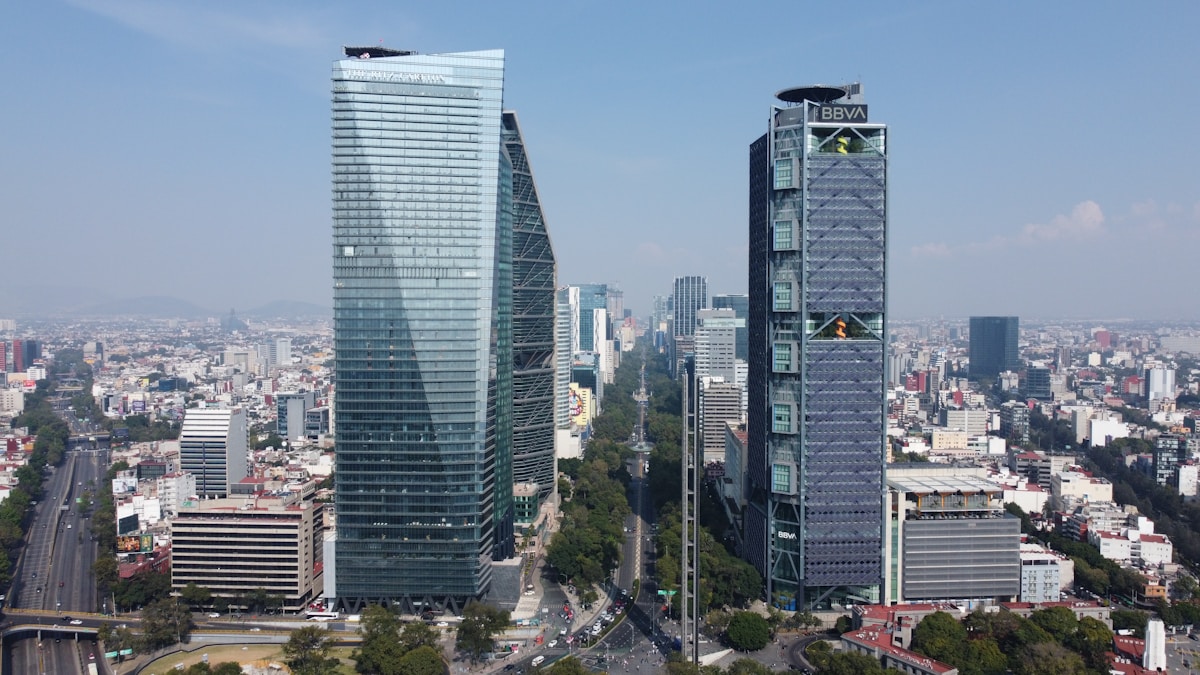
Mexico’s safety reputation is often distorted by sensationalised media coverage. The country is enormous - 2 million square kilometres, 130 million people - and safety varies dramatically by state, city, and neighbourhood. Most visitors to the well-trodden tourist areas have no safety incidents whatsoever. Tens of millions of international tourists visit Mexico annually, making it consistently one of the most-visited countries in the world.
The honest picture
Mexico has real security problems in specific areas, primarily related to organised crime. Violence between criminal organisations is concentrated in specific border states, drug-producing regions, and transit corridors. This is fundamentally different from random violence against tourists, which is statistically rare.
The tourist areas that most visitors travel to have safety profiles broadly comparable to major tourist cities in Europe or North America. These include:
- The Riviera Maya: Cancún, Playa del Carmen, Tulum - heavily policed tourist infrastructure
- Colonial cities: Oaxaca, Mérida, San Miguel de Allende, Guanajuato, Puebla, Querétaro - among the safest cities in Mexico
- Mexico City’s main neighbourhoods: Roma, Condesa, Polanco, Coyoacán, Centro Histórico (main plazas)
- Pacific coast resorts: Puerto Vallarta, Los Cabos - established tourism economies with dedicated tourist police
- Yucatán Peninsula: Mérida, Valladolid, Campeche - the Yucatán state consistently ranks as one of the safest in Mexico
Areas to be cautious about
Certain states and regions have elevated risks for independent travellers. As of 2025–2026, the US State Department and UK FCDO issue Do Not Travel or Reconsider Travel advisories for parts of:
- Colima: significant cartel activity throughout the state
- Guerrero (outside Taxco, Ixtapa/Zihuatanejo, and the Acapulco tourist zone): ongoing security challenges
- Tamaulipas: border area with significant security issues, particularly along the US border
- Parts of Michoacán: outside Morelia, Pátzcuaro, and the Monarch butterfly regions
- Zacatecas: cartel-affected areas, particularly along highways
- Parts of Chihuahua: outside the Copper Canyon tourist corridor and Chihuahua city
- Sinaloa: outside Mazatlán’s tourist zone
Check current government advisories before travelling - the situation changes, and advisories are updated regularly. The FCDO and State Department country pages name specific states and often specific routes within states. The Canadian government’s Mexico page also provides useful state-by-state assessments.
Important context: Even within advisory states, the tourist areas (Mazatlán in Sinaloa, Taxco in Guerrero, Morelia in Michoacán) are generally considered safe for visitors. The advisories reflect conditions in areas that tourists rarely visit.
What the numbers mean
Mexico has a high national homicide rate - approximately 25–28 per 100,000 as of recent years. This number, while concerning, is not evenly distributed. The vast majority of violence is between organised crime groups fighting over territory and drug routes. Murders specifically targeting tourists are extremely rare.
For comparison, the states most visited by tourists - Yucatán (approximately 2 per 100,000), Campeche, Querétaro, and Tlaxcala - have homicide rates comparable to or lower than many European countries. The high national average is driven by a small number of severely affected states.
Practical safety advice
Transport
- Use Uber, DiDi, or Cabify in cities rather than hailing street taxis. If you must take a street taxi, use a sitio (taxi stand) rather than flagging one on the road - sitio taxis are registered and tracked
- ADO first-class and executive buses are safe on all major routes. The buses have GPS tracking, security cameras, and scheduled routes
- Avoid driving at night on highways, particularly in less-visited areas. This is the most commonly repeated safety rule in Mexico - it reduces risk from poorly lit roads, livestock on the road, and (in higher-risk areas) potential encounters
- Night bus travel on major intercity routes (CDMX–Oaxaca, CDMX–Cancún, Cancún–Mérida) is considered safe on first-class lines
Theft and pickpocketing
Petty theft is the primary risk for tourists in Mexico - the same as in most large tourism destinations worldwide:
- Pickpocketing occurs in crowded markets, Metro carriages, bus stations, and busy tourist sites. Keep phones in a zipped pocket rather than in hand or back pocket
- Use a crossbody bag with a zip rather than a backpack in crowded areas - harder to access without your knowledge
- Do not leave valuables visible in rental cars - break-ins targeting visible bags and electronics occur in parking areas at beaches and archaeological sites
- Hotel safes are worth using for passports, spare cash, and electronics you are not carrying
- ATM safety: Use bank-branch ATMs (Banamex, Santander, HSBC, Scotiabank) during business hours. Standalone ATMs in tourist areas carry higher skimming risk. Cover the keypad when entering your PIN
Common scams
- Taxi overcharging: Agree on the fare before getting in (where meters are not used), or use Uber/DiDi for transparent pricing
- “Broken” card machines: Some vendors claim the card machine is broken to push you toward a less favourable exchange or cash-only transaction. Have pesos available
- Tour overpricing: Compare tour prices at 2–3 operators before booking. Operators near major archaeological sites and at hotel desks charge 30–50% more than operators in town
- Currency confusion: The ”$” symbol in Mexico means pesos. Confirm which currency is being quoted, especially in tourist areas where some menus list prices in USD
- Timeshare sellers: Aggressive timeshare sales pitches target tourists at Cancún airport, hotel lobbies, and the Playa del Carmen Quinta Avenida. A firm “no gracias” and walking away is the correct response
Food and water
- Tap water is not drinkable in Mexico. Drink bottled or purified water (agua purificada). Hotels and restaurants use purified water and ice. Street food stalls typically use purified water for ice and drinks
- Street food from high-turnover stalls is generally safe - high customer volume means ingredients are fresh. The risk comes from stalls with low traffic and food sitting in the heat. If locals are eating there, the hygiene is usually adequate
- Wash produce if preparing your own food. Pharmacies sell Microdyn drops for sanitising fruits and vegetables
Mexico City specifics
The city’s main tourist and expat neighbourhoods - Roma, Condesa, Polanco, Coyoacán, San Ángel - are safe for walking during the day and evening. Well-lit, busy with pedestrians, and heavily patrolled.
Centro Histórico is safe in the main pedestrianised areas (Madero, the Zócalo, Templo Mayor surroundings) during the day. Exercise caution on less-travelled side streets at night, particularly north and east of the Zócalo (Tepito, Lagunilla - these are not tourist areas).
Neighbourhoods to avoid at night unless you know them well: Doctores (outside the Arena México area), Tepito, parts of Iztapalapa. These are not dangerous during the day in their commercial areas, but night navigation requires local knowledge.
Metro safety: Extremely crowded during rush hours (7–9 am, 5–8 pm). Pickpocketing is the primary risk. Women-and-children-only carriages operate during peak hours - clearly marked. Avoid displaying expensive phones or watches.
What to do if something goes wrong
- Tourist police (policía turística) operate in Cancún, Playa del Carmen, Mexico City, Oaxaca, and other major tourist areas. They wear identifiable uniforms and are specifically trained to help visitors. In Cancún and the Riviera Maya, they patrol on bicycles and are approachable
- Emergency number: 911 works across all of Mexico for police, ambulance, and fire
- SECTUR tourist hotline: 078 (within Mexico) - the tourism ministry operates a 24-hour tourist assistance line with English-speaking operators
- PROFECO consumer protection: 800-468-8722 - for disputes with service providers, overcharging, or scams
- Embassies and consulates: The UK, US, Canadian, and Australian embassies in Mexico City and consulates in Cancún, Guadalajara, and Monterrey have emergency lines for their citizens. Save the number before travelling
- Travel insurance: Most policies have 24-hour emergency assistance lines. Call your insurer before seeking medical treatment to confirm which hospitals are in-network
- File a police report (denuncia): Required for insurance claims. The Ministerio Público (public prosecutor’s office) handles reports. In tourist areas, English-speaking assistance is usually available. The process takes 1–3 hours
General principles
Mexico rewards common sense. The same precautions that apply in any large tourism destination - awareness of surroundings, securing valuables, using registered transport, avoiding displays of wealth, staying in well-lit areas at night - apply here. The vast majority of the country that tourists visit is welcoming, safe, and well-accustomed to international visitors.
Travelling alone? Our Mexico solo travel guide covers the safest bases for solo visitors, how to navigate as a solo woman, and practical ways to meet other travellers through salsa classes, language exchanges, and digital nomad communities.
Plan your trip: travel insurance · eSIM for Mexico · airport transfers.
Related City Guides
- Cancún Travel Guide
- Mexico City Travel Guide
- Playa del Carmen Travel Guide
- Oaxaca City Travel Guide
- Mérida Travel Guide
- Mazatlán Travel Guide
- Campeche Travel Guide
- Morelia Travel Guide
- Taxco Travel Guide
Ready to Plan Your Trip?
See our itineraries for inspiration:
- 1 Week Mexico - one week covering Mexico City, Oaxaca and the beach
- 10 Days Mexico - ten days from the capital to the Caribbean
- 2 Weeks Mexico - the two-week Mexico circuit
- Budget Mexico Itinerary - a full Mexico trip on a budget