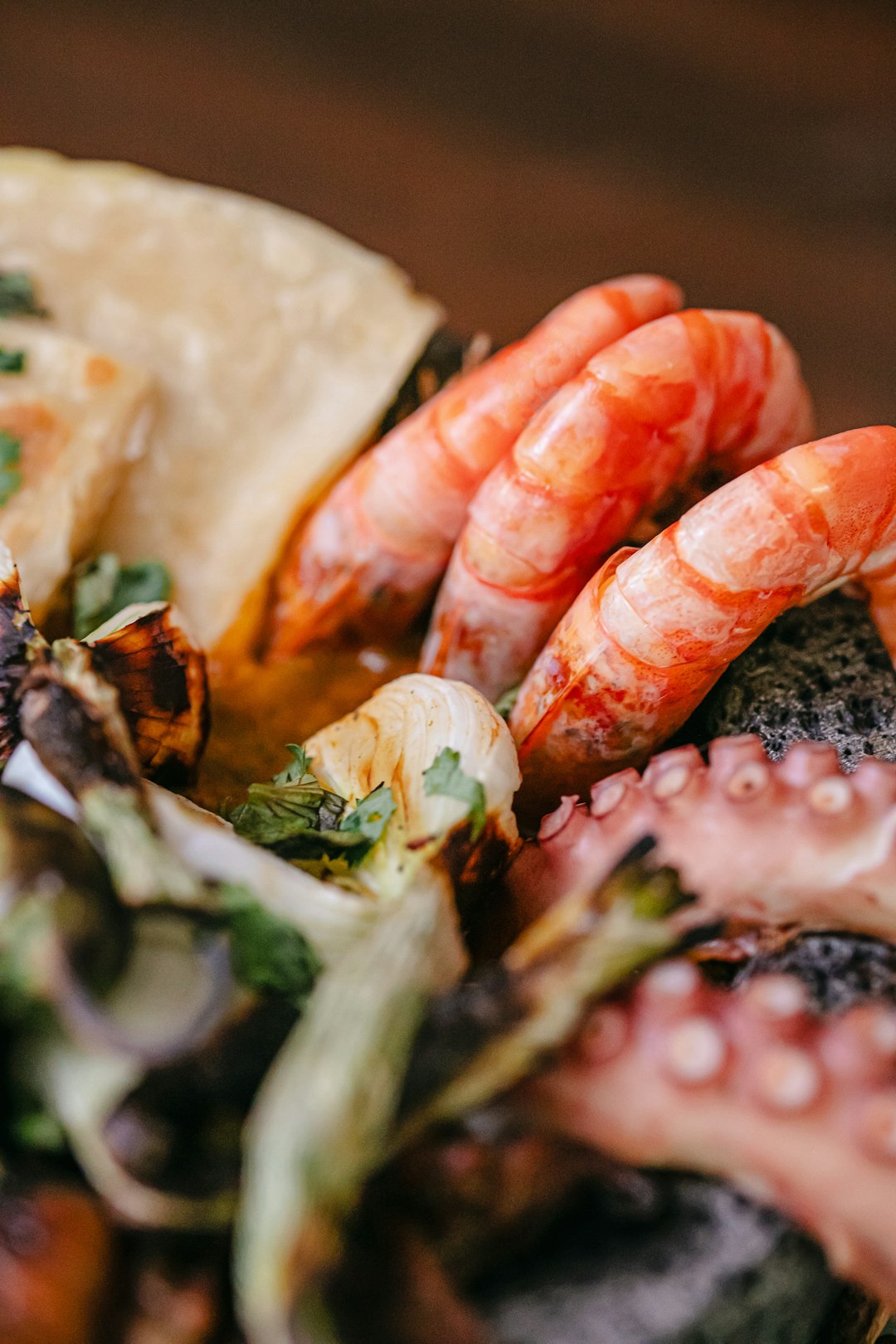
Cozumel’s food scene divides along two clear lines: the waterfront restaurants on Avenida Rafael Melgar catering to cruise passengers and resort visitors, and the streets immediately behind them where the island actually eats. The gap in both quality and price between the two is significant.
The island sits in the Caribbean, on the Mesoamerican Barrier Reef, so fresh seafood is the foundation of the local diet. Reef fish, shrimp, octopus, conch, and lobster (in season) dominate menus. Layered over that is the Yucatecan cooking tradition from the mainland — achiote, sour orange, habanero, and slow-cooked meats that have been part of this coastline’s food culture for centuries.
Top Food Experiences at a Glance
| Tour | Duration | Price (from) | Group Size | Highlights |
|---|---|---|---|---|
| Cozumel Seafood & Taco Tour | 2.5 hrs | from $40 | Up to 12 | Fresh ceviche, fish tacos, local market, craft beer stop |
| Cooking Class: Caribbean Mexican Cuisine | 3 hrs | from $65 | Up to 8 | Local fish dishes, Caribbean spices, hands-on cooking |
| Cozumel Mezcal & Snorkel Combo | 4 hrs | from $75 | Up to 15 | Reef snorkel, beach ceviche lunch, mezcal tasting |
| Cozumel Street Food Walk | 2 hrs | from $35 | Up to 12 | San Miguel market, antojitos, agua fresca, local stories |
Browse all Cozumel food experiences → GetYourGuide
Seafood: the core of Cozumel cooking
Fish tacos
The default post-dive meal on the island. The best versions use fresh snapper or grouper, either grilled or lightly battered and fried, served in a soft corn tortilla with shredded cabbage, crema, pico de gallo, and lime. Taqueria El Sitio on Calle 2 Norte (approximately MXN $35–55 per taco as of 2026) is a narrow, no-frills taqueria popular with local workers and divers finishing a morning session. Aqua Safari divers and the staff from the small dive shops on Avenida Rafael Melgar regularly eat here. Order three or four and a jamaica agua fresca.
La Mission on Avenida 5 Sur does a more composed version — grilled fish with pickled cabbage and chipotle mayo — for approximately MXN $65–90 per taco. Better presentation, similar quality.
Tostadas de mariscos
Crispy tostada bases topped with finely diced raw or marinated seafood — shrimp, octopus, fish, or mixed mariscos. The combination of citrus, chilli, onion, and fresh herbs on the tostada is a direct expression of the reef-to-table speed that makes Cozumel seafood particularly good. Market stalls near Mercado Municipal on Avenida 25 serve tostadas for approximately MXN $40–70 each. Kondesa Restaurant on Avenida 5 does a restaurant version with better presentation for approximately MXN $130–180 per order.
Ceviche
Cozumel ceviche is typically made with fresh reef fish, shrimp, or octopus cured in lime juice, with tomato, onion, chilli, and cilantro. The island version often includes Caribbean conch (caracol) when in season. El Moro on Avenida 75 Norte (approximately MXN $150–220 for a generous portion, as of 2026) has been a local family favourite for decades — the ceviche here is produced with next-day fish from local boats.
Lobster
Caribbean spiny lobster is available July through March. It lacks the large claws of Maine lobster but has dense, sweet tail meat. Most restaurants prepare it grilled with garlic butter or in a cream sauce. La Veranda on Calle 4 Norte (from approximately MXN $450–700 per tail, as of 2026) is considered the most reliable upscale option on the island, with consistent sourcing from local fishermen. Morgan’s Buccaneers on the waterfront does a more casual but well-executed grilled lobster at approximately MXN $380–550.
During lobster season, the market stalls near the pier occasionally sell lobster tails grilled on the spot for MXN $250–350 — less atmospheric but significantly cheaper.
Yucatecan dishes
Cochinita pibil
Slow-roasted pork in achiote and sour orange, wrapped in banana leaves, served in tacos or as a plate with rice, black beans, and pickled red onion. The base flavours — earthy achiote, citrus, char — are deeply associated with the Yucatán Peninsula. La Choza on Calle Adolfo Rosado Salas (approximately MXN $130–180 for a taco plate, as of 2026) is the most consistently recommended local restaurant for cochinita pibil. It has been operating in the same location for years and maintains a loyal local customer base.
The market fondas inside Mercado Municipal also serve cochinita pibil as part of a set meal (comida corrida) for approximately MXN $70–100 including soup, a main, rice, beans, and a drink.
Poc chuc
Thin-sliced pork marinated in sour orange and charcoal-grilled. The char on the meat and the pickled red onion topping are the defining elements. La Choza is again the standard reference for poc chuc in San Miguel, at approximately MXN $180–220 per plate.
Sopa de lima
A Yucatecan chicken soup with fried tortilla strips and the juice of the small, fragrant lima citrus — different from a standard lime and with a distinctive floral bitterness. Available at La Choza and at several market fondas. The sopa de lima at market stalls costs approximately MXN $60–80 per bowl.
Restaurants by area
San Miguel waterfront (Avenida Rafael Melgar)
The waterfront runs north-south along the ferry and cruise pier. On cruise days it gets genuinely busy by 10 am. The quality here is decent but the prices reflect the tourist traffic.
Guido’s Restaurant (from approximately MXN $180–350 per main, as of 2026) sits in a converted colonial building on the waterfront and serves a Caribbean-inflected menu with local seafood pastas, whole grilled fish, and wood-fired dishes. One of the better waterfront restaurants for quality and atmosphere. Open for lunch and dinner.
Morgan’s Buccaneers (approximately MXN $200–500 per main, as of 2026) is directly on the waterfront with open-air seating and views over the pier. Reliable for lobster and grilled fish, though it gets crowded on cruise days.
Avenida 5 and the side streets
Avenida 5 Norte and Sur running parallel to the waterfront is where the local restaurant concentration is highest. One block off the waterfront, prices drop and the food generally improves.
Kinta on Avenida 5 Norte (from approximately MXN $220–400 per main, as of 2026) is Cozumel’s best-regarded restaurant for contemporary Mexican cooking — seasonal tasting menus, excellent local seafood, and a thoughtful drinks list. Reservations are recommended during high season (December through April). This is the island’s top table.
La Mission (from approximately MXN $120–250 per main, as of 2026) on Avenida 5 Sur is a reliable mid-range option with a mix of Mexican and international dishes, good fish tacos, and friendly service. Popular with the dive community.
El Centro (market streets)
The streets around Mercado Municipal on Avenida 25 and the area between Avenida Juárez and Calle 2 Norte are where the cheapest and most local eating happens.
El Moro on Avenida 75 Norte (approximately MXN $100–200 per person for a full meal, as of 2026) is a simple family restaurant in the residential part of town, not near any tourist infrastructure. It has no tourist draw other than consistent local food quality. The ceviche, caldo de pollo (chicken broth), and fresh fish platters are excellent. Taxi from the waterfront costs approximately MXN $50.
Mercado Municipal fondas (approximately MXN $60–100 for a full set meal) serve Yucatecan staples at the lowest prices in town. Several stalls open from 7 am for breakfast and close by 3 pm.
Street food and snacks
Marquesitas are the island’s default evening street snack — crispy crêpe rolls pressed in a special iron and filled with Edam cheese plus a sweet spread (Nutella, cajeta, or strawberry jam). The combination of savoury cheese and sweet filling is the regional standard. Stalls appear around the central plaza (Parque Benito Juárez) from around 5 pm; a marquesita costs approximately MXN $35–60.
Aguas frescas — fresh fruit waters in flavours like hibiscus (jamaica), tamarind, watermelon, and horchata — are sold throughout the market area from around MXN $20–40 per large cup.
When to eat and what to avoid
Cruise ships arrive on most mornings between October and April. The waterfront gets loud and crowded from around 9 am until 5 pm on those days. If you are eating lunch, move one block inland to Avenida 5 or further. The quality difference is real and the price difference is significant.
The freshest fish is served at lunch and early afternoon, when the morning boats have come in. Evening seafood at budget spots is more likely to be yesterday’s catch. This matters more at market stalls than at restaurants like Kinta or El Moro, which have consistent sourcing relationships.