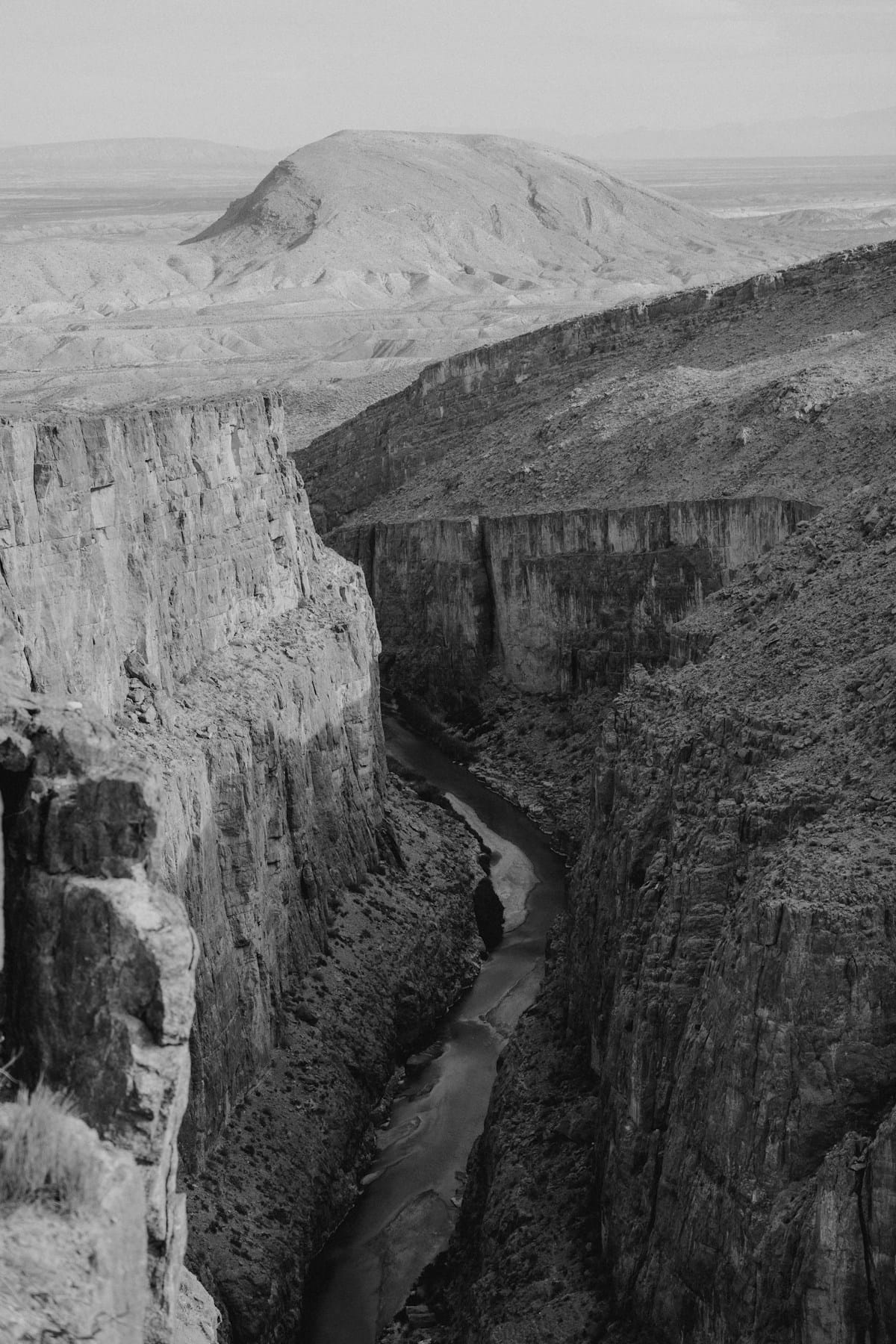
Creel is the main access point for the Copper Canyon (Barrancas del Cobre) system - a network of six interconnected canyons deeper in places than the Grand Canyon in the USA. Day trips from town range from short hikes to local valley formations, to long drives down to the canyon floor at Urique. The altitude here is 2,338 m, so temperatures are mild in summer and cold in winter - plan accordingly.
Top Tours at a Glance
Here’s a quick comparison of top-rated guided tours on GetYourGuide:
| Tour | Duration | Price (from) | Group Size | Highlights |
|---|---|---|---|---|
| Divisadero Copper Canyon Viewpoint Tour | Half day | from $35/person | Group | Highest canyon viewpoint, Rarámuri craft market |
| Barrancas del Cobre Full-Day Hike | Full day | from $65/person | Small group | Canyon descent, Rarámuri villages, scenic return |
| Batopilas — Colonial Mining Town Day Trip | Full day | from $80/person | Small group | 5-hour canyon road drive, silver history, river town |
| El Chepe Train to Divisadero — Half Day Excursion | Half day | from $55/person | Group | Scenic train ride, canyon viewpoints, return same day |
Browse all Copper Canyon tours → GetYourGuide
Quick comparison
| Day Trip | Distance | Transport | Entry | Time Needed |
|---|---|---|---|---|
| Valle de los Hongos | 8 km | Car or tour | ~MXN $70 | 2–3 hours |
| Cascada de Cusárare | 21 km | Car or tour | ~MXN $50 | Half day |
| Divisadero viewpoints | 64 km | Car, train, or tour | ~MXN $100 | Half–full day |
| Batopilas | 135 km | Car ~4 hrs | Free | Full day (or overnight) |
| Urique canyon floor | 140 km | 4WD car ~4 hrs | Free | 2 days recommended |
| Cuauhtémoc | 125 km | Car ~2 hrs | Free | Half day |
All costs approximate, as of 2026.
Valle de los Hongos and Lago Arareko - 8–10 km, 20 minutes
The most-visited area around Creel and the easiest half-day from town. The Valle de los Hongos (Valley of the Mushrooms) has clusters of volcanic rhyolite columns eroded into mushroom-shaped formations standing 2–5 m tall - an unusual landscape created over millions of years by wind, rain, and frost acting on harder cap rock over softer bases.
The adjacent Valle de los Monjes (Valley of the Monks) has taller, more slender formations that resemble standing figures. Lago Arareko, a pine-fringed lake a few kilometres further, is sacred to the local Rarámuri (Tarahumara) people and has walking trails and canoe rental (approximately MXN $100 per hour). Entry to the ejido land surrounding all three sites is approximately MXN $50–80 per person as of 2026, collected at the access road.
The whole circuit - valley formations plus lake - takes 2–3 hours on foot, less by car.
Cascada de Cusárare - 21 km south, 30 minutes
A rewarding half-day that combines a colonial Tarahumara mission, pine forest, and the region’s best accessible waterfall. The Misión de Cusárare (1741) is a whitewashed Jesuit church set among pine trees in the Rarámuri village of Cusárare - the interior is simple and the surrounding community still uses the church. Local women sell crafts (woven baskets, pinewood carvings) at stalls near the church.
From the church, a pine-forest trail of 30–40 minutes leads to Cascada de Cusárare, which drops approximately 30 m into a rocky pool. In spring after snowmelt (March–April), the falls are at their most powerful. Swimming in the pool below is possible in summer.
Getting there: car or guided tour. Most Creel agencies include Cusárare in half-day valley tours (approximately MXN $400–600 per person including guide and transport). Self-driving is simple - paved road south from Creel.
Divisadero - 64 km west, 1.5 hours
The most dramatic viewpoint in the Copper Canyon system and the primary reason most visitors come to Creel. Divisadero sits on the rim where three of the six canyons converge - Urique, Tararecua, and Batopilas - giving a panorama extending across a canyon system wider and deeper than the Grand Canyon. At sunset, the walls shift through red, orange, and purple.
The Parque de Aventura Barrancas del Cobre at Divisadero has zip-lines over the canyon (from approximately MXN $500), a cable car (approximately MXN $200), and a via ferrata (approximately MXN $500–800 with guide). The park has a restaurant and small hotel. Entry to the viewpoint area is approximately MXN $100 as of 2026.
Getting there: by car on Highway 16 then paved road north (1.5 hours). By Chepe Expreso train (Tuesday, Thursday, Saturday from Creel, approximately MXN $200–350 each way) - the train stops for 15–20 minutes, enough to see the viewpoint. Booking a guided Copper Canyon tour is often the easiest way to combine Divisadero with other canyon viewpoints in a single day.
Batopilas - 135 km south, 4 hours
The full descent to Batopilas is one of the most dramatic road trips in Mexico - 135 km from Creel dropping 1,600 m from alpine pine forest to subtropical canyon floor. The road is partially paved and partially gravel, winding through a series of canyon walls with vertical drops beside the road. Most visitors with rental cars do this in a day by leaving Creel at 6 am. An overnight stay in Batopilas is strongly recommended to appreciate the journey’s reward.
Batopilas was one of the richest silver-mining towns in colonial Mexico - at its peak in the 1880s it had electric lighting (one of the first towns in Mexico to do so, powered by the river). Today it has around 800 inhabitants, a ruined hacienda, colonial churches, and the atmosphere of a village frozen in a previous century. The Misión de Satevó - a baroque church 6 km from town, accessible only by foot, horse, or a river-ford crossing - is one of the most atmospherically remote colonial buildings in Mexico.
Getting there: 4WD high-clearance vehicle strongly recommended. Some tour operators in Creel run guided Batopilas tours with transport (approximately MXN $800–1,400 per person for a day trip, more for overnight).
Urique - canyon floor, 140 km, 4 hours
Urique town sits on the floor of Urique Canyon at 540 m elevation - 1,879 m below Creel. The descent takes 3–4 hours on a paved but extremely narrow switchback road. Urique has a warm subtropical climate year-round (25–35°C), in dramatic contrast to Creel’s mountain temperatures. The town is known for the Caballo Blanco Ultramarathon, a 50- and 100-mile race through the canyon held annually in March, which draws Rarámuri runners famous for long-distance running ability.
The canyon itself is the deepest of the six Copper Canyon canyons - 1,879 m at its deepest point - with sheer walls of volcanic rock and the Urique River at the bottom. Short hikes from town along the river take you to swimming holes accessible by foot. Basic guesthouses accommodate overnight stays.
Getting there: 4WD vehicle essential (standard cars have been known to get stuck on the descent). No public transport. Guided tours available from Creel from approximately MXN $1,200–2,000 per person for an overnight two-day trip.
Cuauhtémoc - 125 km north, 2 hours
A very different type of day trip - Cuauhtémoc is a modern agricultural city in the high plains of Chihuahua with a substantial Mennonite community. The Mennonites (descended from 16th-century Dutch Anabaptists who migrated to Mexico from Canada in the 1920s) have established prosperous dairy farms, cheese production, and workshops around Cuauhtémoc. Their distinctive horse-drawn buggies, German dialect, and traditional clothing contrast sharply with surrounding Mexican culture.
Several Mennonite communities welcome visitors: the Colonia Manitoba museum (entry approximately MXN $50) explains the community’s history and way of life. Mennonite cheese (Chihuahua cheese) is sold at roadside stalls throughout the area. The community’s bakeries sell apple strudel and rye bread.
Getting there: car or bus (ADO from Creel, approximately MXN $120–180, 2 hours). The drive north on Highway 127 crosses open pine-oak highland - bring a jacket at any time of year.
Planning tips
Creel’s tour agencies on the main street offer half-day and full-day guided trips to most of these destinations (approximately MXN $400–1,200 per person depending on distance and group size). Car rental is available in Creel for exploring independently - book a 4WD rental in advance if you plan to descend to Batopilas or Urique; standard cars are inadequate for those roads. The canyon roads to Batopilas and Urique require high-clearance vehicles with good tyres; don’t attempt them in a standard sedan.
Search hotels in Creel on Booking.com
Travel season: the canyon is pleasant year-round. Creel itself gets snow from December–February (temperatures drop to -10°C on cold nights) and is lush green from July–September after the summer rains. The Chepe train is most reliable in dry months (October–June).