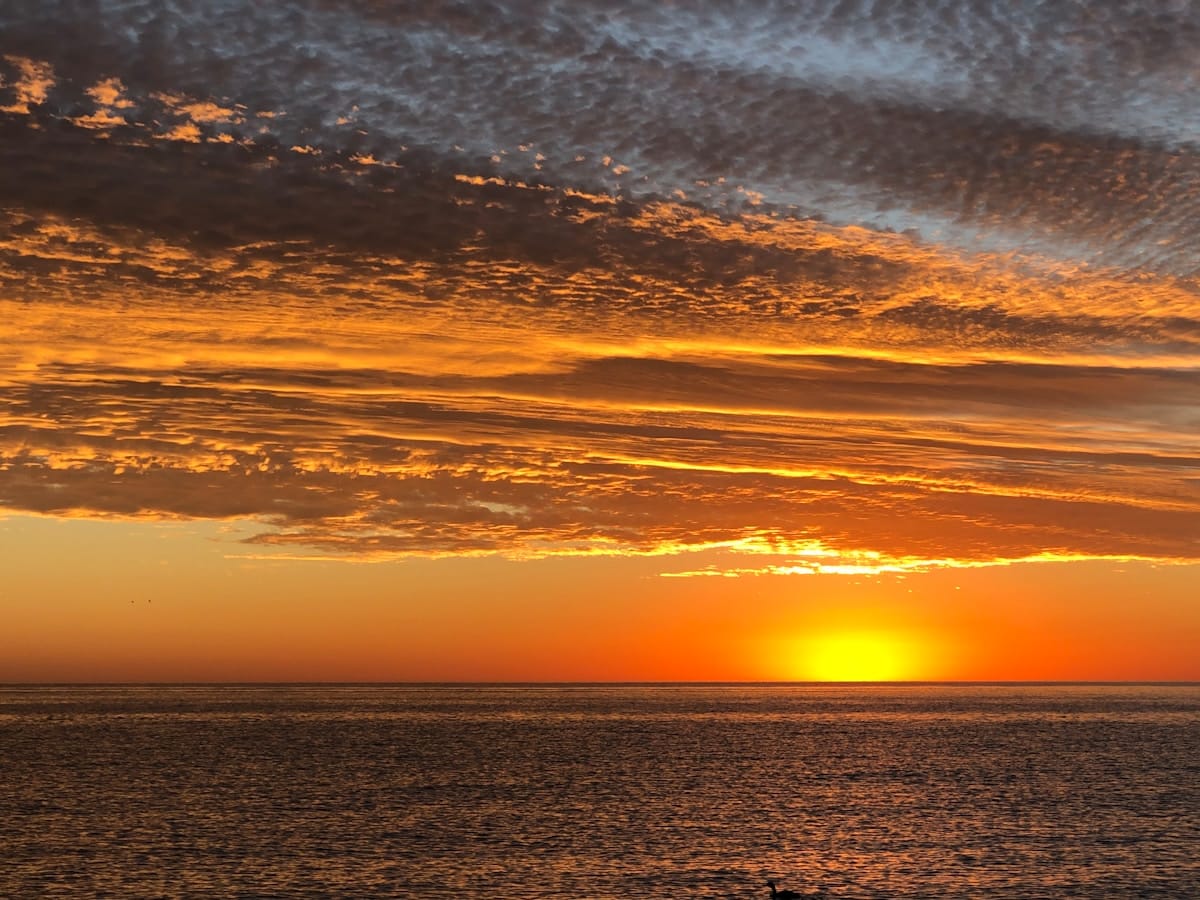
La Paz sits at the confluence of the Sea of Cortez and the Pacific’s Baja peninsula, giving it day trip access to Jacques Cousteau’s “world’s aquarium,” a series of stunning sea-of-cortez beaches, whale shark encounters, and two very different beach towns - the artsy Pacific-facing Todos Santos and the resort strip of Los Cabos.
Top Tours at a Glance
Here’s a quick comparison of top-rated guided tours on GetYourGuide:
| Tour | Duration | Price (from) | Group Size | Highlights |
|---|---|---|---|---|
| Whale Shark Snorkelling — Sea of Cortés | Full day | from $120/person | Small group | Whale shark swim, snorkel gear, guide, transport |
| Espíritu Santo Island Day Trip | Full day | from $95/person | Small group | UNESCO biosphere, sea lion colony, snorkelling, lunch |
| Los Cabos Day Trip from La Paz | Full day | from $80/person | Group | El Arco, Cabo San Lucas beach clubs, San José del Cabo |
| Todos Santos + Cabo Pulmo Day Trip | Full day | from $85/person | Small group | Arts town, UNESCO coral reef national park, snorkel |
Browse all La Paz tours → GetYourGuide
Quick comparison
| Day Trip | Distance | Transport (each way) | Cost | Time Needed |
|---|---|---|---|---|
| Balandra Beach | 25 km | Car or taxi ~MXN $250 | Free | Half day |
| El Tecolote Beach | 30 km | Car ~30 min | Free | Half day |
| Espíritu Santo island | 30 km by sea | Boat tour ~MXN $1,500 | Included | Full day |
| Whale shark snorkel | Bay (boat) | Tour ~MXN $1,500–2,000 | Included | Half day |
| Todos Santos | 78 km | Car ~1 hr / bus ~MXN $120 | Free | Half–full day |
| Los Cabos | 185 km | Car ~2.5 hrs / bus ~MXN $280 | Free (activities extra) | Full day |
| Sierra de La Laguna | 80 km east | Car ~2 hrs | ~MXN $100–200 | Full day |
All costs approximate, as of 2026.
Espíritu Santo Island - 30 km by sea, 2 hours by boat
The crown jewel of La Paz day trips. Espíritu Santo is a 93 km² UNESCO-listed island in the Sea of Cortez - volcanic rock, uninhabited, with turquoise-over-white-sand coves and a California sea lion colony that is one of the most accessible in the world.
Los Islotes (a small rocky islet at Espíritu Santo’s north end) is home to 300–400 California sea lions year-round. Jumping in and swimming among them - they are curious and playful, particularly the juveniles - is the highlight for most visitors. Snorkelling the reef around Los Islotes reveals parrotfish, reef sharks, moray eels, and manta rays in clear water.
The island also has multiple anchorages:
- La Ballena - a sheltered cove with excellent snorkelling on coral heads
- Ensenada La Bonanza - a long beach for kayaking and lunch stops
- Candelero - a dramatic rock arch accessible by kayak
All visits require a licensed tour operator (regulations protect the island). Full-day tours depart from the La Paz Malecón or El Tecolote beach at approximately 8–9 am (approximately MXN $1,200–1,800 per person including lunch, gear, and guide). Book 24–48 hours ahead in peak season (December–March).
Whale shark snorkelling - La Paz bay, October–April
Between roughly October and April, whale sharks - the world’s largest fish - congregate in the nutrient-rich shallows of Bahía de La Paz. Tours depart from the Malecón in the morning (approximately MXN $1,500–2,000 per person, 4–5 hours). You swim (not scuba) alongside these filter feeders - typically 6–8 m long - in open water with a maximum of eight swimmers per shark.
Regulations are strictly enforced: no touching, 3 m minimum distance, no sunscreen (biodegradable alternatives provided by good operators). Sighting rates in peak months (November–February) are high but not guaranteed - reputable operators offer a partial refund or alternative activity if no whale sharks are found.
Best combined with Espíritu Santo: many operators offer morning whale sharks + afternoon island tour as a single all-day trip (approximately MXN $2,000–2,500 per person).
Balandra Beach - 25 km north, 25 minutes
Frequently cited as one of the most beautiful beaches in Mexico, Balandra is a series of shallow, calm coves in a protected bay north of La Paz. The water is famously warm and tranquil - shallow enough to wade in ankle-deep for 50 m. The iconic Hongo (mushroom-shaped rock formation) in the largest bay is photographed constantly.
INAH manages Balandra as a protected zone with a daily visitor limit - weekends in December–March fill quickly. Arrive before 9 am if visiting Friday–Sunday. Free entry; parking approximately MXN $40. Bring everything you need - no food vendors on site.
El Tecolote beach (5 km further north) is larger, has food vendors and equipment rental (kayaks from approximately MXN $150/hour), and is where most Espíritu Santo boat tours depart.
Todos Santos - 78 km north, 1 hour
A Pacific-facing arts colony on the Baja Sur peninsula with a character entirely different from La Paz’s Gulf-coast charm. The historic centre has galleries, cafés, boutiques, and the famous Hotel California (the name predates the Eagles song but owners enjoy the association). The hotel’s patio bar is a reliable lunch stop.
Playa Los Cerritos (13 km south of Todos Santos on Highway 19) is the surf beach - consistent left-handers attract intermediate and advanced surfers; beginners can take lessons from local schools (approximately MXN $600–900 per 2-hour lesson including board). Calmer spots for swimming exist at the south end of the beach.
Getting there: car is fastest (1 hour on Highway 19). ADO and Aguila buses from La Paz’s central bus terminal (approximately MXN $120 each way, 1.5 hours). Taxis from La Paz approximately MXN $700–900 each way (negotiate before departing).
Los Cabos - 185 km south, 2.5 hours
The Baja’s resort strip, connecting La Paz to San José del Cabo and the famous El Arco rock arch at Cabo San Lucas. Los Cabos is the opposite of La Paz in atmosphere - international resort hotels, golf courses, and spring break crowds - but the scenery is extraordinary.
El Arco (the rock arch at Land’s End) is viewable by boat from Cabo San Lucas marina (approximately MXN $200–400 per person, 1-hour tour). The arch marks the confluence of the Pacific and the Sea of Cortez - visible water colour differences on calm days.
San José del Cabo (the older, more civilised half of Los Cabos) has a colonial centre with art galleries, the Estero San José bird reserve (free, egrets and herons year-round), and better restaurants than the Cabo San Lucas strip.
Getting there: car (Highway 1 south, 2.5 hours) or ADO/Aguila bus from La Paz (approximately MXN $250–280 each way, 3 hours with stops).
Cabo Pulmo National Marine Park - 90 km north, 1.5 hours
The most ecologically significant dive and snorkel site in the Sea of Cortez, and one of the conservation success stories of Mexican marine management. Cabo Pulmo National Marine Park protects the only living hard-coral reef system on North America’s Pacific coast - a 7,000-hectare marine reserve where commercial fishing has been banned since 1995. The results are visible: bull shark aggregations of up to 200 individuals, schools of bigeye jacks in spiralling columns thousands of fish strong, and manta ray sightings that are among the most reliable in Baja California Sur.
The village of Cabo Pulmo (approximately 90 km north of La Paz via Highway 1 and then a well-maintained dirt road to the coast) has a handful of dive operators, including the long-established Cabo Pulmo Divers, offering two-tank guided dives from approximately USD $70–90 per person. Snorkelling directly from the beach at Playa Los Arbolitos puts you above the reef in 3–5 m of water - coral heads with parrotfish, angelfish, and nurse sharks are routine. No boat required and no entry fee for snorkellers; the dive operators rent snorkel sets for approximately MXN $100.
The drive from La Paz along the East Cape road is scenic and the last stretch to Cabo Pulmo village remains unpaved but passable in a standard car in dry season. High-clearance is recommended in the rainy season (July–September). Best combined with a beach stop at Los Barriles (50 km from La Paz) on the return.
Sierra de La Laguna - 80 km east, 2 hours
The Sierra de La Laguna Biosphere Reserve is a highland pine-oak forest that rises to 2,163 m above the Baja desert - cooler, greener, and ecologically distinct from the coast. The highland plateau known as La Laguna (a dry meadow at 1,700 m) is a 3–4 day hiking destination, but day hikers can access the lower trails and forest from the town of Santiago (80 km east of La Paz).
Cañón de la Zorra near Santiago has a 30 m waterfall accessible on a 3-hour return hike (free access, parking approximately MXN $50). Hot springs at Agua Caliente (near Miraflores, 90 km from La Paz) offer a natural pool fed by thermal water (entry approximately MXN $100–150). Car required - no public transport to these sites.
Planning tips
- Book Espíritu Santo and whale shark tours at least 48 hours ahead in December–March - top operators sell out.
- Balandra on weekdays only - the visitor cap makes weekend visits frustrating with queues.
- Los Cabos and Todos Santos are best combined if you have a car - drive south to Todos Santos on the Pacific side, cross to Los Cabos, and return to La Paz via Highway 1 on the Gulf side. A full-day circular route.
- October–November is the best overall time: whale sharks arriving, Espíritu Santo water still warm, sea lion pups born in June are now active and playful.
Plan your trip: car hire in Mexico · tours in Mexico · travel insurance.
More La Paz Guides
Search hotels in La Paz on Booking.com