La Paz Travel Guide
La Paz guide: whale shark snorkelling, sea lion colonies, the Malecón, Espíritu Santo island, and Baja California Sur's most liveable city.
Guides for La Paz
La Paz is the capital of Baja California Sur and the most liveable city on the Baja Peninsula. It has none of the resort-strip excess of Los Cabos - instead: a low-key Malecón, colonial streets, a local fishing culture, and access to some of the best marine wildlife experiences in Mexico. Jacques Cousteau called the Sea of Cortez the “aquarium of the world,” and La Paz is the base from which to explore it.
Key activities
| Activity | Cost | Season | Notes |
|---|---|---|---|
| Whale shark snorkelling | ~MXN $1,200–1,800/person | Nov–Mar (peak) | 30–60 min boat from marina |
| Espíritu Santo island day trip | ~MXN $1,500–2,500/person | Year-round | UNESCO Biosphere, sea lions |
| Sea lions at Los Islotes | Included in island tours | Year-round | Swim with juveniles |
| Magdalena Bay whale watching | ~MXN $2,000–3,000/person | Jan–Mar | Grey whales, 3 hrs by road |
| Balandra beach | Free | Year-round | Mushroom rock, no facilities |
| Malecón sunset walk | Free | Year-round | Several km waterfront promenade |
All prices approximate, as of 2026.
Whale shark snorkelling
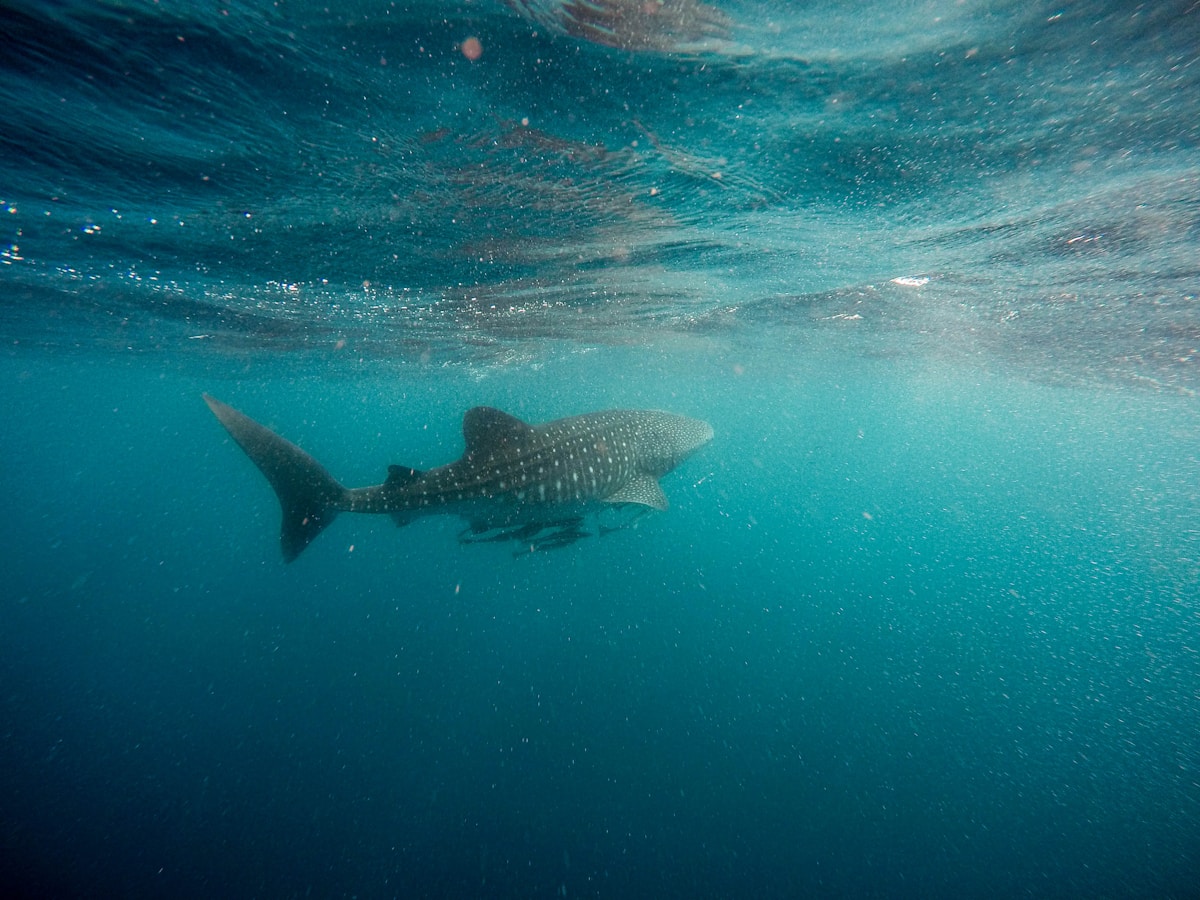
La Paz has one of the most accessible and reliable whale shark experiences in the world. Tour boats depart from Marina La Paz and reach the feeding grounds within 30–60 minutes. Whale sharks are present year-round but November to March is peak season when numbers are highest - up to 20–30 individuals in the bay at once.
Responsible operators maintain minimum distance protocols, limit boats per shark, and prohibit touching. The whale sharks feed at the surface, so snorkelling (not diving) is the standard mode. Approximately MXN $1,200–1,800 per person including equipment, guide, transport, and snack. Tours run 3–4 hours total.
Established operators: Fun Baja, Baja Diving & Service, The Cortez Club. Book 1–2 days ahead in peak season.
Espíritu Santo island
A UNESCO Biosphere Reserve 45 minutes by boat from the marina. The island has a series of pristine beaches - Ensenada La Ballena, Playa Bonanza, Ensenada Grande - backed by red volcanic cliffs. The water is clear and warm enough for snorkelling without a wetsuit from October onwards.
Day trips (approximately MXN $1,500–2,500 per person) include snorkelling at 2–3 sites, a beach stop for lunch, and a visit to the sea lion colony at Los Islotes. Multi-day camping trips with kayaking are available - operators provide gear, food, and guides. The island has no permanent residents or facilities.
Sea lions at Los Islotes
Just north of Espíritu Santo, the rocky islet of Los Islotes has a permanent sea lion colony. Snorkellers enter the water and the sea lions - particularly juveniles - swim alongside and investigate at close range, spinning and playing. One of the most reliably engaging wildlife encounters in Mexico. Included in most Espíritu Santo day tours.
Whale watching at Magdalena Bay (January–March)
From January to March, grey whales arrive at Bahía Magdalena (3 hours by road from La Paz) to give birth and nurse their calves in the shallow lagoon. La Paz operators offer day-trip packages (approximately MXN $2,000–3,000 per person) including transport, a pangero (local fisherman) guide, and close encounters with grey whales and calves. The whales approach the boats voluntarily - an experience distinct from the whale shark tours.
The Malecón and city
La Paz’s Malecón runs along the bay for several kilometres - best at sunset when the sky turns pink and orange over the Sea of Cortez. The promenade has public sculpture, benches, and a less commercial atmosphere than Los Cabos.
The historic centre (El Centro) has a modest cathedral, the Museo Regional de Antropología e Historia (covering Baja California’s pre-Hispanic cultures and Spanish colonial period, entry approximately MXN $50), and a market area with budget seafood. The city feels like a real Mexican city rather than a resort - which is its appeal.
Balandra and Tecolote beaches
Balandra - 23 km north of La Paz. A protected bay with shallow turquoise water and the famous “mushroom rock” (El Hongo) formation. No facilities - bring water, food, and sunscreen. Arrive early to beat tour groups. The shallow water is warm and calm - perfect for wading and paddling. Free entry.
Playa Tecolote - a longer, more open beach further north with beach clubs, kayak rentals (approximately MXN $200/hour), and food. The view of Espíritu Santo island on the horizon is excellent. Palapas and sunloungers approximately MXN $100–200.
Where to stay
| Zone | Budget | Mid-range | Boutique |
|---|---|---|---|
| Malecón / Centro | Hostels from ~MXN $300/night | Hotels from ~MXN $800/night | From ~MXN $2,000/night |
| Beach / Marina area | - | From ~MXN $1,200/night | From ~MXN $3,000/night |
Named properties: El Angel Azul (boutique, from approximately MXN $2,000/night, restored colonial mansion near the Malecón). Hotel Catedral (mid-range, from approximately MXN $800/night, central, opposite the cathedral). CostaBaja Resort (resort, from approximately MXN $3,000/night, marina, pool, beach club). Pension California (budget, from approximately MXN $400/night, basic but central). Hotel Seven Crown Centro (mid-range, from approximately MXN $900/night, Malecón, sea views).
Accommodation is meaningfully cheaper than Los Cabos - the same quality hotel costs 30–50% less in La Paz.
Food
The seafood is excellent and less expensive than Los Cabos. Bismark-cito (near the Malecón, mains approximately MXN $120–200) is a long-standing seafood institution - grilled fish, shrimp, and ceviche. Rancho Viejo (centro, mains approximately MXN $100–180) does good Baja tacos and grilled meats. McFisher (Malecón, fish tacos approximately MXN $40–60) is popular for quick fish tacos. The Mercado Bravo has budget seafood stalls (approximately MXN $50–80 per meal). For fine dining, Azul Marino (mains approximately MXN $250–400) does creative Sea of Cortez seafood.
Baja fish tacos (beer-battered or grilled white fish, cabbage slaw, crema) and machaca (dried shredded beef, scrambled with eggs and chiles) are the regional staples.
Getting there
Airport: Manuel Márquez de León International Airport (LAP) has flights from Mexico City (2 hours), Guadalajara, and some US cities (Los Angeles, seasonal).
From Los Cabos: 3 hours north on Highway 1. Buses (approximately MXN $300–500) and shared shuttles available.
Ferry from Mazatlán: The Baja Ferries crossing takes approximately 12–16 hours overnight and carries vehicles - practical for Baja road trips. Foot passengers from approximately MXN $1,200; vehicles from approximately MXN $3,500.
When to go
November–April: Peak season for whale sharks and whale watching. Comfortable temperatures (20–28°C). Best overall conditions.
May–October: Hotter and more humid. Fewer tourists. Hurricane risk September–October. The Sea of Cortez water is warmest for diving and snorkelling.
More La Paz Guides
Plan your trip: tours in La Paz · flights to Mexico · travel insurance · eSIM for Mexico.
See Also
- Los Cabos Travel Guide - the resort strip 215 km south, sharing the Baja Peninsula
- Todos Santos Travel Guide - the art town 105 km south, a rewarding day trip or overnight stop
- Whale Watching in Baja California - grey whale watching at Magdalena Bay and beyond
- Pacific Coast Beaches - Baja’s beaches in context with the rest of Mexico’s Pacific coast
- Mexico Budget Costs - how La Paz compares to Los Cabos for budget travellers
Book an experience
Top experiences in La Paz
Explore the best tours and activities in La Paz, with instant confirmation and free cancellation on most bookings.
Find hotels in La Paz
Compare rates and availability across hundreds of options, free cancellation on most.
Browse hotels in La Paz →Affiliate link; commission earned at no cost to you.