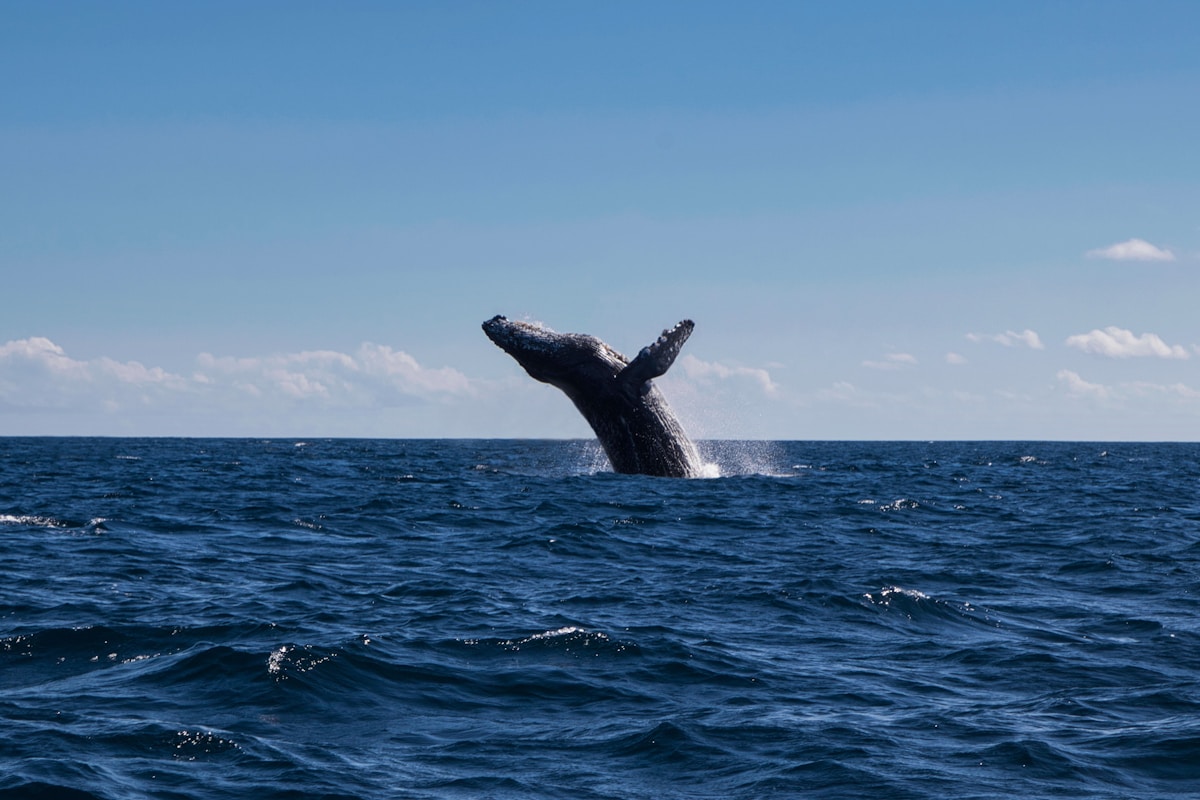
Baja California hosts one of the world’s most accessible whale watching experiences. Every winter, grey whales migrate from the Bering Sea to three protected lagoons on Baja’s Pacific coast to breed and calve - and they are notably curious about small boats. Physical contact is common and legal in these lagoons; mothers sometimes push their calves towards pangas (small open boats) to be touched. It’s unlike almost any other whale encounter in the world.
Top Tours at a Glance
Here’s a quick comparison of top-rated tours on GetYourGuide:
| Tour | Duration | Price (from) | Group Size | Highlights |
|---|---|---|---|---|
| Grey Whale Watching from La Paz (Jan–Apr) | Full day (6–7 hrs) | from $110/person | Group (8–12) | Magdalena Bay access, mother-calf encounters, panga boats |
| Blue Whale Watch from La Paz | Half day (4–5 hrs) | from $120/person | Small group | Blue whales in the Sea of Cortez, Dec–Mar season |
| Whale Shark + Whale Watching Combo, La Paz | Full day (8 hrs) | from $150/person | Small group | Whale sharks + humpbacks in Bay of La Paz |
| Multi-Day Baja Whale Expedition | 3–4 days | from $450/person | Small group (6–10) | Grey whale lagoon + Sea of Cortez, camp accommodation |
| Todos Santos to Magdalena Bay Day Trip | Full day (9 hrs) | from $130/person | Group | Grey whale panga encounter, scenic Baja highway |
Browse all Baja California whale watching tours → GetYourGuide
When to Go
The grey whale season runs approximately January to mid-April, with the peak in February and March. Calves are born from January, and mothers with young calves are most interactive through March. By mid-April, most whales have begun the northward migration back to Alaska. Some humpback whales are present in the waters around La Paz and Loreto year-round; blue whale sightings are reported in the Loreto area from approximately November to April.
Outside the grey whale season, blue whales (the world’s largest animal) can be seen in the Sea of Cortez from approximately December to March. Humpbacks are present around Los Cabos from December to March and near La Paz and Loreto year-round with less frequency.
The Three Main Grey Whale Lagoons
Laguna Ojo de Liebre (Scammon’s Lagoon, near Guerrero Negro): the largest and most accessible of the three. A UNESCO World Heritage Site. Easiest to reach independently - Guerrero Negro is on the Transpeninsular Highway (Mex-1), roughly a 7-hour drive from Ensenada. Driving Baja’s Mex-1 is one of Mexico’s great road trips; hire a car in Mexico and pick up in Los Cabos or La Paz for the most flexibility. Panga tours from the lagoon edge approximately MXN 700–1,000 / USD 35–50 per person per two-hour session as of 2026.
Laguna San Ignacio: widely regarded as offering the most intimate whale encounters. More remote - accessible from the town of San Ignacio (a long drive or small plane trip from the nearest cities). Overnight camps operate near the lagoon from January to April. Smaller visitor numbers than Scammon’s. Day-tour access approximately MXN 1,200–1,800 / USD 60–90 per person; multi-day packages approximately MXN 8,000–14,000 / USD 400–700 per person for 2–3 nights including camp accommodation, meals, and panga sessions.
Bahía Magdalena (Magdalena Bay): closest to Los Cabos (around 3.5–4 hours by road from Cabo San Lucas). Popular for day trips from the Los Cabos area. Town of Puerto López Mateos is the main access point. Panga sessions approximately MXN 800–1,200 / USD 40–60 per person as of 2026. Not as consistently intimate as San Ignacio but logistically simpler.
Whale Watching Around La Paz
La Paz is the base for a different kind of whale experience: blue whales and sperm whales in open water, plus whale sharks (not whales - the world’s largest fish) in the Bay of La Paz from approximately October to April.
- Blue whale tours from La Paz: approximately MXN 2,200–3,500 / USD 110–175 per person (half-day, 4–5 hours on the water) as of 2026
- Whale shark snorkelling: approximately MXN 1,600–2,400 / USD 80–120 per person
Baja Expeditions (La Paz): one of Baja’s oldest and most established operators. Multi-day whale watching kayaking and camping expeditions in the Sea of Cortez; prices from approximately MXN 28,000 / USD 1,400 per person for 7-day itineraries (as of 2026, verify current pricing directly).
Cortez Club (La Paz): focus on diving and snorkelling with marine life, including whale sharks and sea lions; whale watching options available in season.
Loreto Area
Loreto, a small town midway up the Baja peninsula, is one of the better bases for blue whale watching in the Sea of Cortez. Operators include Arturo’s Sport Fishing & Tours (long-established, strong local knowledge) and various day-tour operators along the malecón. Prices approximately MXN 2,000–3,200 / USD 100–160 per person for half-day tours as of 2026.
The Loreto Bay National Marine Park covers the islands offshore and limits boat traffic in ways that often result in closer encounters than more visited areas.
Multi-Day Tours
Several operators run week-long Baja whale-watching expeditions combining multiple sites:
- Grey whale lagoon + blue whales + Sea of Cortez islands in one trip
- Prices from approximately MXN 40,000–70,000 / USD 2,000–3,500 per person for 7–10 days with small-ship or camp-based accommodation
- UnCruise Adventures and Natural Habitat Adventures both operate in Baja; these are international operators with English-speaking naturalist guides and higher price points than local operators
What’s Typically Included
Day tours from Guerrero Negro, Puerto López Mateos, and La Paz typically include: panga, bilingual guide, and sometimes snacks. Full-day and multi-day tours add: meals, accommodation, park entry fees, and airport transfers. Check whether the biosphere reserve entrance fee (approximately MXN 150–300 / USD 7–15 as of 2026) is included - it varies by operator.
How to Book
GetYourGuide lists day-tour options from La Paz and Los Cabos. For the lagoon experiences (San Ignacio especially), most camps book up 2–3 months in advance for February. For Laguna Ojo de Liebre, advance booking is less critical but weekends in peak season fill fast. Book directly with camp operators for San Ignacio; GYG covers La Paz and Cabo-area tours well.
Related City Guides
- La Paz Travel Guide
- Los Cabos Travel Guide
- Todos Santos Travel Guide - the art town 80 km from Los Cabos, a good overnight base for Magdalena Bay trips
- Things to Do in La Paz - sea lion colonies and whale shark snorkelling in the Bay of La Paz
- Adventure Sports in Mexico - other wildlife and marine activities across the Pacific and Caribbean coasts
- Best Time to Visit Mexico - seasonal guide with notes on Baja’s whale watching window (January–April)