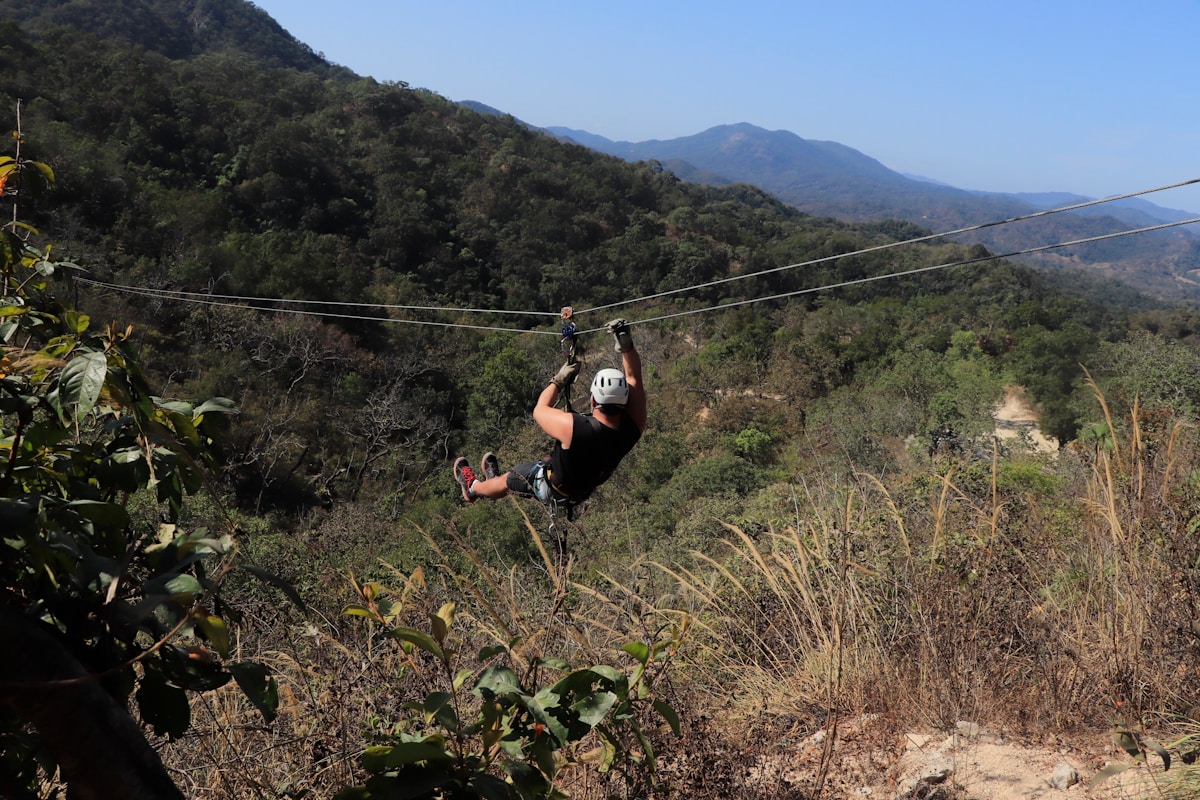
Mexico’s geography spans Caribbean reef systems, Pacific point breaks, jungle canopy, vast canyon networks, and active volcanoes - producing one of the most varied adventure sport landscapes in Latin America. Whether you are chasing surf, height, depth, or distance, Mexico has a developed and affordable adventure sector.
Top Tours at a Glance
Here’s a quick comparison of top-rated adventure tours on GetYourGuide:
| Tour | Duration | Price (from) | Group Size | Highlights |
|---|---|---|---|---|
| Puerto Vallarta Sierra Madre Zip-Line | Half day (4–5 hrs) | from $70/person | Group | 8 zip-lines, rappelling, 900m longest line over jungle canopy |
| Riviera Maya ATV + Cenote Adventure | Half day (4 hrs) | from $75/person | Group | Off-road ATVs through jungle + underground cenote swim |
| Copper Canyon Trekking Day Hike | Full day (7 hrs) | from $90/person | Small group (max 8) | Rarámuri guide, rim-to-canyon descent, Batopilas viewpoints |
| Cenote Cave Diving, Tulum (Certified) | Half day (4 hrs) | from $110/person | Small group (max 4) | Sac Actun system, NAUI/PADI cave cert required |
| Surfing Lesson for Beginners, Sayulita | Half day (2 hrs) | from $55/person | Small group | Longboard rental, certified instructor, calm point break |
Browse all Mexico adventure tours → GetYourGuide
Surfing
Puerto Escondido - Oaxacan Pipeline
Puerto Escondido’s Playa Zicatela is the signature Mexican surf spot: a long, powerful beach break with hollow barrels that have earned the name “Mexican Pipeline.” Waves reach 4–6 m during peak season (June–October) and have a reputation for intensity that makes it a significant step up from most surf destinations.
Who it’s for: Experienced surfers comfortable with heavy beach breaks. Zicatela’s power and strong rip currents make it unsuitable for beginners and dangerous for intermediate surfers in swell season.
For beginners: Playa Carrizalillo and Playa La Punta (within walking distance of Zicatela) offer much gentler conditions. Several surf schools operate from Carrizalillo - approximately MXN $500–700 per person for a 2-hour lesson including board hire as of 2026. Zicatela Surf School and Sol y Mar are among the well-reviewed operators.
Annual event: The Oaxacan Open of Surf (typically August, when swells are biggest) brings international professional competitors. Watching from the beach, with a front-row view of world-class surfing at no cost, is one of Mexico’s great free experiences.
Getting there: Puerto Escondido airport has direct connections from Mexico City (55 minutes, from approximately MXN $1,200 each way on Aeromexico). ADO buses run from Oaxaca City (8–10 hours, from MXN $400).
Sayulita - Beginner-Friendly Pacific Point
Sayulita (40 km north of Puerto Vallarta) is the classic Mexico surf-town experience for those learning the sport. The main bay has a consistent right-hand point break that works from knee-high to overhead - surfable for beginners on a longboard at its smaller end, genuinely fun for intermediate surfers in larger swells.
The town is well set up for surf culture: board rentals from approximately MXN $200–300 per hour, multiple surf schools offering group lessons (approximately MXN $500–800 per person), and a cheerful, international traveller scene with good cafés and restaurants.
Best season: November–April (consistent but manageable swell, dry weather). June–September produces the biggest waves but also the most rain and periodic closures due to bacteria levels in the river mouth.
Other Notable Surf Spots
| Spot | Location | Level | Best Season |
|---|---|---|---|
| Punta Mita | Nayarit | Intermediate–Advanced | Nov–Apr |
| Boca de Pascuales | Colima | Advanced | Jul–Sep |
| Troncones | Guerrero | All levels | Nov–Apr |
| La Ticla | Michoacán | Intermediate | Nov–Apr |
| Scorpion Bay | Baja California Sur | Intermediate | All year |
Zip-Lining and Canopy Tours
Sierra Madre - Puerto Vallarta Region
The mountains behind Puerto Vallarta host Mexico’s most developed zip-line infrastructure. The Los Veranos Canopy Tour (45 km east of PV, in the Sierra Madre foothills) runs 14 lines up to 350 m long and 90 m above the valley floor, with suspension bridges and a rappel descent as part of the circuit.
What to expect: Full day tour approximately 4–5 hours, including transport from Puerto Vallarta hotels. Cost approximately USD $70–100 per person (as of 2026). Minimum age 8, minimum weight 35 kg. Guides are bilingual. The scenery - jungle-covered valleys, glimpses of rivers - is dramatic, and the longest lines carry real speed.
Operators: Los Veranos is operated by Vallarta Adventures, one of Mexico’s most established adventure tour operators. Canopy River is a similar circuit slightly closer to PV and somewhat cheaper (approximately USD $60–85 per person).
Riviera Maya - Jungle Canopy
The Riviera Maya has its own zip-line infrastructure, targeted at resort guests:
- Canopy El Santuario (Playa del Carmen) - 10 lines through jungle, 45-minute drive from Cancún. Approximately USD $55–75 per person.
- Xenotes Tour (Xenotes Oasis Maya) - a combination circuit incorporating zip-line, kayaking, rappelling, and cenote swimming at four different cenotes. A genuinely excellent full-day experience. Approximately USD $120–150 per person including transport and lunch.
- ATV + zip-line packages from Cancún and Playa del Carmen combine off-road vehicles with zip-lining; approximately USD $90–130 per person.
Oaxaca - Valley Zip-Lines
Several operators around Oaxaca City and Hierve el Agua run shorter zip-line circuits through agave-studded valley terrain. Less dramatic than the Sierra Madre installations but convenient if you are already in Oaxaca. Approximately USD $20–40 per person.
Cenote Cave Diving and Snorkelling
The Yucatán’s freshwater cenote system is covered in depth in our Scuba Diving in Mexico guide. In summary:
- Tulum is the access point for the Sac Actun cave system (the world’s longest submerged cave system). Cavern zone dives require Open Water certification minimum; cave penetration requires PADI Cave Diver.
- Dos Ojos is the most accessible cenote for both divers and snorkellers - two cave systems with extraordinary water clarity and geological formations.
- Cenote The Pit (near Tulum) - for technical divers. A 119 m vertical drop with a hydrogen sulphide cloud at depth that creates an eerie cloud effect. For experienced tech divers only.
Operators: Koox Diving, Phantom Divers, Mex Divers - all based in Tulum.
Trekking and Hiking
Copper Canyon (Barranca del Cobre)
The Barranca del Cobre canyon system in Chihuahua is Mexico’s most dramatic trekking landscape. At its deepest point, the canyon reaches over 1,800 m - significantly deeper than the Grand Canyon - and the region encompasses multiple interconnected canyons extending over 65,000 sq km.
Trekking options:
- Divisadero to Urique - a multi-day descent from the canyon rim (2,400 m) to the canyon floor town of Urique (530 m). The route passes through Rarámuri (Tarahumara) communities and takes 2–3 days with a guide. Approximately USD $100–150 per person per day with a local guide.
- Creel to Batopilas - the most popular multi-day route. You can also take a bus to Batopilas and trek back, or combine with horseback on sections.
- Day hikes from Creel - shorter walks to Cusarare waterfall, rock formations, and viewpoints accessible without a guide. Most visitors use Creel as a base.
Getting there: Take the El Chepe train (Chihuahua al Pacífico Railway) - the train journey itself, through 87 tunnels and 37 bridges, is one of the great rail experiences of the Americas. We have a full guide at Copper Canyon and El Chepe Railway.
Hierve el Agua - Oaxaca Valley Hike
A 2 km trail from the road to the petrified waterfalls of Hierve el Agua - calcium carbonate formations that resemble frozen waterfalls cascading off a cliff edge, with natural infinity pool baths at the top. The hike itself is short (30–45 minutes) but the formations, the view over the Cañada valley, and the swimming pools make for a half-day experience. Admission approximately MXN $80 per person; accessible by collective taxi from Mitla (60 km from Oaxaca City) for approximately MXN $80 each way.
Nevado de Toluca
An extinct volcano 80 km west of Mexico City, with a drive-up access road to approximately 4,200 m and a short hike to the crater lakes at 4,600 m. No technical climbing equipment required, but altitude acclimatisation matters - visitors arriving from sea level who rush this route frequently experience mild altitude sickness. Allow 2 days in Mexico City first.
Paricutín - The Volcano in a Cornfield
Paricutín emerged from a cornfield in Michoacán in 1943 and grew to 424 m in a year before stopping. The horseback-and-hiking access route from Angahuan takes approximately 4–5 hours round trip, passing through lava fields to the ruins of a church buried to its nave. One of the genuinely unusual landscape experiences in Mexico. Guided with horse: approximately MXN $400–600 per person from Angahuan.
Kitesurfing
La Ventana (40 km south of La Paz, Baja California Sur) and El Cuyo (Yucatán coast, 3 hours from Cancún) are Mexico’s two best kitesurfing destinations.
- La Ventana has the El Norte wind - a thermic wind that blows 15–25 knots daily from November to March with impressive consistency. The warm, shallow bay has space for beginners and experts alike. Kitesurfing lessons from approximately USD $150 per 3-hour session with reputable operators including Vela La Ventana and Kiteboarding La Ventana.
- El Cuyo has reliable Caribbean trade winds from November to April. Far less developed than La Ventana, with basic accommodation only - the appeal for experienced kiters is uncrowded water.
White-Water Rafting
Jalcomulco (90 km east of Xalapa, Veracruz) is Mexico’s premier white-water rafting destination - Class III–IV rapids on the Río Pescados through a jungle gorge. Several operators in Xalapa and Mexico City run overnight rafting packages including transport, guides, and accommodation in river-side camps. From approximately USD $80–120 per person for a day trip, USD $150–200 for overnight.
Río Antigua near Jalcomulco has easier Class II–III stretches suitable for first-timers and families.
Practical Notes
Insurance: Standard travel insurance does not cover most adventure sports. Confirm your policy covers the specific activity before you book - many basic policies exclude diving, mountaineering, and motorsports. Specialist adventure sports extensions are typically inexpensive to add.
Altitude: Several trekking destinations in Mexico (Copper Canyon rim, Mexico City, Oaxaca, San Cristóbal de las Casas, Nevado de Toluca) involve significant altitude. Allow 1–2 days of acclimatisation, stay well hydrated, and avoid alcohol on arrival day at high altitude.
Operators: Use operators affiliated with SECTUR (Mexican Tourism Secretariat) or internationally recognised certification bodies (PADI for diving, ACA for kayaking). Ensure guides carry first aid kits and that safety briefings are given in your language.
Best season: Adventure sports in Mexico have varied optimal seasons - surf peaks during summer swells (June–October), kitesurfing peaks in winter (November–March), and hiking is most comfortable in the dry season (November–April) when visibility and trail conditions are best.
Plan your trip: tours across Mexico · car hire · travel insurance.