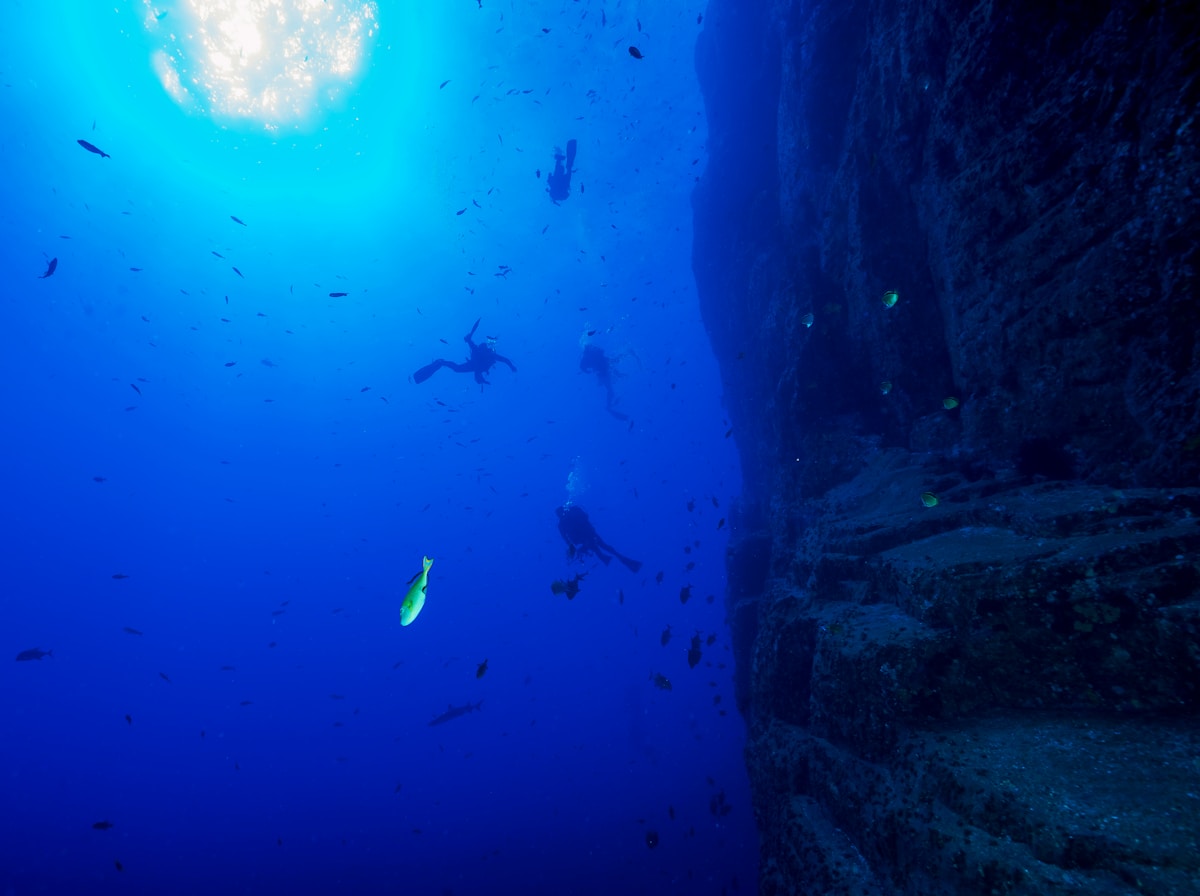
Mexico offers some of the most diverse diving and snorkelling in the world - from the Caribbean coral walls of Cozumel to the eerie underground rivers of the Yucatán cenote system, the Pacific kelp forests of Baja California, and seasonal whale shark encounters that rank among the most extraordinary marine wildlife experiences on the planet.
Top Tours at a Glance
Here’s a quick comparison of top-rated tours on GetYourGuide:
| Tour | Duration | Price (from) | Group Size | Highlights |
|---|---|---|---|---|
| Cozumel 2-Tank Reef Dive | Half day (4–5 hrs) | from $75/person | Group | Palancar & Santa Rosa walls, eagle rays, turtles |
| Cozumel 3-Tank Advanced Dive | Full day (7–8 hrs) | from $110/person | Small group | Deep walls, Maracaibo, reef shark sightings |
| Cenote Cavern Dive from Tulum | Half day (4–5 hrs) | from $100/person | Small group (4–6) | Sac Actun system, stalactites, 30m+ visibility |
| Cozumel Snorkelling Boat Tour | Half day (3–4 hrs) | from $45/person | Group | 3 reef stops, gear included, no certification needed |
| Discover Scuba Experience Cozumel | Half day (4 hrs) | from $80/person | Small group | Intro dive for uncertified guests, 12m depth |
Browse all Cozumel diving tours → GetYourGuide
Cozumel - Caribbean Reef Diving
Cozumel is consistently ranked among the best dive destinations in the world. The island sits alongside the Mesoamerican Barrier Reef - the second-longest coral reef system on Earth - in water with visibility frequently exceeding 30 metres. The Cozumel Marine Park protects over 500 sq km of reef.
What makes Cozumel special: Drift diving along vertical coral walls at sites like Palancar, Santa Rosa Wall, and Columbia Deep. The Caribbean current runs consistently, carrying divers effortlessly along walls teeming with eagle rays, turtles, barracuda, nurse sharks, and extraordinary coral formations.
Top dive sites:
- Palancar Reef - the signature Cozumel site; multiple sections from shallow garden to deep wall. Depth range 5–40 metres.
- Santa Rosa Wall - dramatic vertical drop-off with enormous sponges and reef shark sightings. Best for experienced divers.
- Maracaibo Reef - deeper site (30–40m) with higher shark and eagle ray activity; requires Advanced Open Water certification.
- Chankanaab Reef - shallower, ideal for beginners and snorkellers.
Operators and prices (as of 2026):
- Blue Angel Resort Dive Shop - two-tank reef dive approximately USD $85, full equipment rental approximately USD $25
- ScubaTony Cozumel - two-tank dive approximately USD $75–95; good for groups
- Dive Paradise Cozumel - long-established operation, two-tank dive approximately USD $80–100
- Snorkelling boat tour: approximately USD $35–55 per person (3 stops, gear included)
Cozumel is a 45-minute ferry from Playa del Carmen (Ultramares or Mexico Waterjets, approximately MXN $300–400 round trip). Several operators run day trips from Cancún including ferry and diving.
Cenote Diving - Tulum and the Yucatan
The Yucatán’s freshwater cenote system is unique on the planet. The Sac Actun cave system - accessed via cenotes near Tulum - is the world’s longest known submerged cave system at over 370 km of mapped passages. Diving here is an entirely different experience from ocean diving: near-zero current, extraordinary water clarity up to 100 metres, stalactites and stalagmites formed above sea level during ice ages, and the eerie silence of an underground river.
Certification requirements:
- Cavern zone (near entrance, natural light visible): PADI Open Water minimum; guided only
- Cave zone (penetration beyond daylight): PADI Cave Diver or equivalent; highly technical
For snorkellers, Dos Ojos cenote offers a surface-level circuit through cave chambers without diving - extraordinary without any certification required.
Operators in Tulum:
- Koox Diving - cavern dives from approximately MXN $2,200–2,800 per dive as of 2026; cave courses for certified divers
- Phantom Divers - specialises in cave diving courses (PADI Cave Diver from approximately USD $550 for the full course)
- Mex Divers - cenote cavern tours from approximately USD $100–130 per person including two dives and guide
Choosing a cenote to dive:
- Dos Ojos - the most popular; two cave systems, one long circuit. Good for first-time cenote divers.
- Car Wash (Aktun Ha) - excellent visibility, lily pads on the surface, unusual light effects
- The Pit - 119 metres deep with a hydrogen sulphide layer that creates a cloud-like effect. For advanced/tech divers.
- Cenote Eden / Ponderosa - large open cenote with underwater caves reachable from the surface; good for snorkellers too
Whale Shark Snorkelling - Holbox and Isla Mujeres
Season: Mid-June through mid-September. Peak concentrations July–August.
The waters around Isla Mujeres (east of Cancún) and Isla Holbox (northwest of the Yucatan) attract the world’s largest gatherings of whale sharks - the world’s largest fish, reaching up to 12 metres and entirely harmless filter feeders. The experience is snorkelling only, not diving - whale sharks feed near the surface.
What to expect: 2–3 snorkellers at a time enter the water near a whale shark while the boat follows at low speed. Encounters typically last 20–40 minutes per shark sighting; most tours include 2–3 encounters. You must maintain a 2-metre distance and cannot touch the sharks.
Tour prices (as of 2026):
- From Isla Mujeres: approximately USD $120–160 per person including boat, guide, and snorkel equipment
- From Cancún (including Isla Mujeres transfer): approximately USD $130–180 per person
Operators: Tours depart daily from Isla Mujeres and from Cancún’s ferry terminal. Book 2–4 weeks ahead for July–August. Turissim and Sea Passion are among the well-reviewed operators.
Pacific Coast Diving
Cabo Pulmo National Marine Park (East Cape, Baja California Sur) is widely considered one of the best-restored reef ecosystems in the world. A fishing ban imposed in 1995 allowed the reef to regenerate dramatically - bull shark, hammerhead shark, sea lion, and enormous fish biomass are regular sightings.
Operators: Cabo Pulmo Beach Resort Dive Centre (two-tank dive approximately USD $90–110 as of 2026) is the primary in-park operator. The park is approximately 1.5 hours from Los Cabos airport by 4WD road.
Cortez Sea (Sea of Cortez): Dive sites around La Paz - including Las Animas, El Bajo, and Espiritu Santo Island - offer hammerhead sharks, manta rays, and sea lion colony encounters. Fun Baja and Baja Outdoor Activities operate from La Paz (two-tank dive approximately USD $85–120 as of 2026).
Snorkelling Without Diving
For those who don’t dive, Mexico’s snorkelling is world-class:
| Location | What You’ll See | Approximate Cost |
|---|---|---|
| Cozumel boat tour | Coral reefs, rays, turtles | USD $35–55 pp |
| Cenote Dos Ojos | Cave formations, underground river | MXN $350 admission |
| Isla Mujeres - MUSA | Underwater sculpture museum | USD $50–80 (guided snorkel tour) |
| Cabo Pulmo | Reef fish, rays | USD $60–90 pp |
| Isla Holbox whale sharks | Whale sharks (June–Sept) | USD $120–160 pp |
| Akumal Bay | Sea turtles (year-round) | MXN $200 entry fee |
Akumal Bay deserves special mention - 100 km south of Cancún, it is one of the most reliable places in Mexico to snorkel with wild sea turtles. Admission to the bay is approximately MXN $200 as of 2026; guided tours from the beach run approximately MXN $400–600 including equipment.
Practicalities
Best seasons: Caribbean diving is good year-round; water temperature is approximately 26–28°C. Visibility peaks November–May during the dry season. Hurricane season (June–November) rarely disrupts Cozumel diving directly but can produce rough surface conditions.
Dive certification in Mexico: Several dive schools in Playa del Carmen, Cozumel, and Tulum offer PADI Open Water courses in 3–4 days (approximately USD $350–450 as of 2026). Getting certified in Mexico is popular - you can combine learning with diving in ideal conditions.
Nitrox: Available at most Cozumel dive shops for approximately USD $8–10 per fill for certified Nitrox divers.
Travel insurance: Standard travel insurance does not always cover diving. DAN (Divers Alert Network) dive-specific coverage is strongly recommended for any underwater activity, particularly cave diving.
Plan your trip: tours in Cozumel · travel insurance.