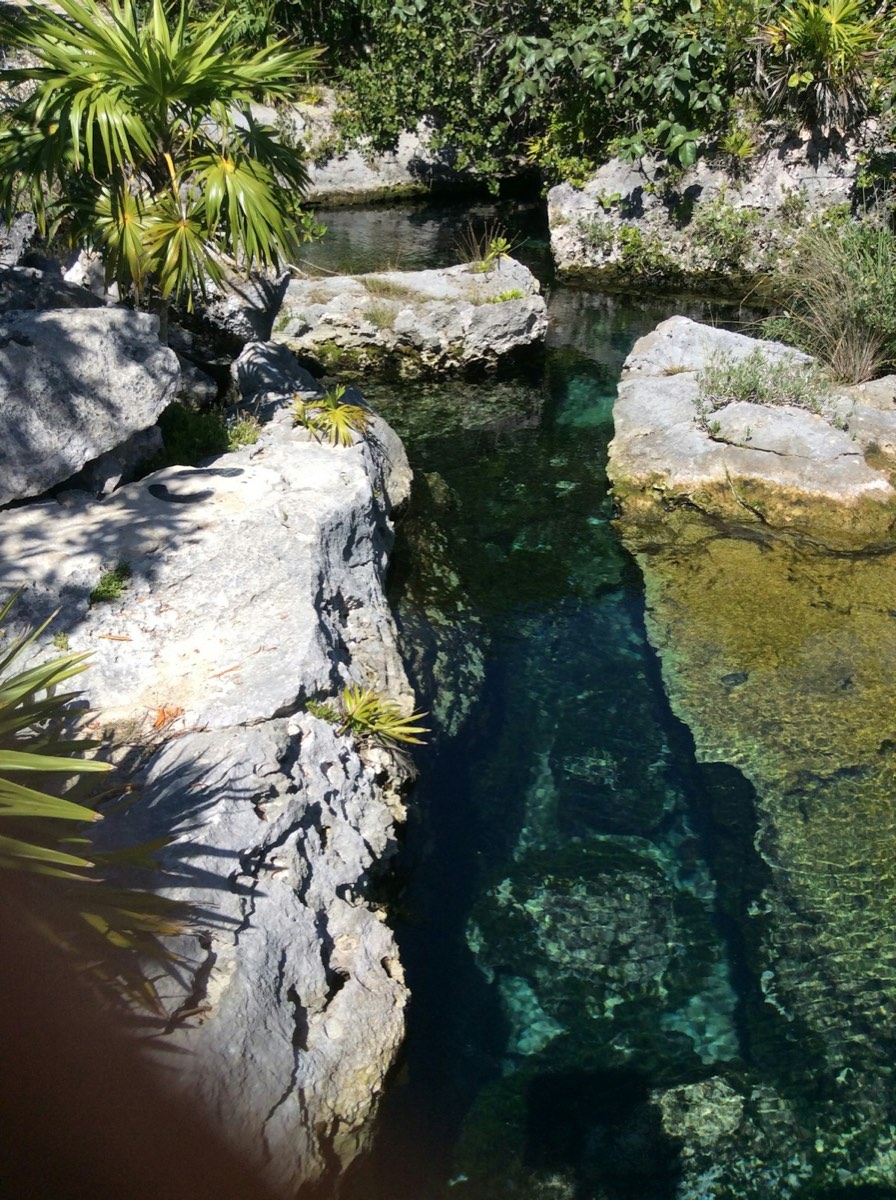
The Yucatán Peninsula sits on a limestone shelf riddled with more than 10,000 cenotes - natural sinkholes and freshwater pools connected by underground river systems. Many are open to swimmers and snorkellers; some extend into full cave diving systems. This guide focuses on accessible, tour-operated cenotes in the Riviera Maya corridor between Cancún and Tulum.
Top Tours at a Glance
Here’s a quick comparison of top-rated tours on GetYourGuide:
| Tour | Duration | Price (from) | Group Size | Highlights |
|---|---|---|---|---|
| Cenote Snorkelling from Cancún | 4–5 hrs | from $39 | Up to 15 | 1–2 cenotes, snorkel gear, guide, hotel pickup |
| Tulum Ruins + Cenote + Akumal Turtles | 8–10 hrs | from $84 | Small group | Three sites, snorkel gear, lunch, transport |
| Xenotes by Xcaret — 4 Cenote Types | Full day | from $140 | Small group | Cave, open-air, underground river, lagoon, lunch |
| Explore 4 Rural Cenotes + Traditional Lunch | Full day | from $82 | Small group | Off-the-beaten-track, small group, local lunch |
| Private Cenote Tour from Cancún | 4–5 hrs | from $175 | Private | Flexible timing, custom stops, dedicated guide |
Browse all Riviera Maya cenote tours → GetYourGuide
What Kind of Cenote Do You Want?
There are three broad categories:
Open-air cenotes - open to the sky, often large and circular, with clear turquoise water visible from above. Ik Kil (near Chichén Itzá) and Cenote Azul (near Playa del Carmen) are the most photographed examples. These are good for swimming and photography but often crowded on tour days.
Semi-open cenotes - partially collapsed limestone ceiling, a mix of light and shadow. Gran Cenote near Tulum is the best-known example; popular but manageable in the early morning.
Cave cenotes - largely underground, accessed via steps or rope ladders into subterranean chambers. Dos Ojos (near Tulum) and Cenote Choo-Ha (Valladolid area) are famous examples. Snorkelling feels completely different here - slow-moving freshwater, stalactites and stalagmites, zero current, and unusual visibility.
Top Cenotes in the Riviera Maya
Dos Ojos (near Tulum): two interconnected cave systems - “dos ojos” means two eyes. Snorkelling circuits take around 30–45 minutes per eye. Admission approximately MXN 350 / USD 17 as of 2026. No diving certification required for snorkelling; cave diving available with certified guides (approximately MXN 3,200 / USD 160). One of the highest-rated cenotes on the peninsula.
Gran Cenote (Tulum): 3 km from the Tulum ruins, semi-open with excellent water clarity. Admission approximately MXN 370 / USD 18. Snorkel rental available on site. Opens 08:00 - arrive early; it gets crowded by 10:00.
Cenote Jardín del Edén / Ponderosa (near Playa del Carmen): large open pool, popular with families. Admission approximately MXN 200 / USD 10.
Cenote Azul (Puerto Morelos / Playa del Carmen area): large, open-air, with depths up to 35 metres in the main section. Admission approximately MXN 170 / USD 8.50. Good for non-swimmers who want to see the cenote without committing to a full cave experience.
Cenote Suytun (Valladolid area): known for the raised stone platform that appears to float in the water. Photography-focused; timed entry. Admission approximately MXN 200 / USD 10.
Booked Tours vs Going Independently
Going independently makes sense if you’re based in Tulum or Playa and renting a car. You can visit two or three cenotes in a day, set your own timing, and avoid group markup. Entrance fees listed above cover independent access.
Guided cenote tours are better if you want transport included (especially from Cancún), a guide to explain the geology, or a package that combines multiple cenotes in one day.
A note on Akumal: Akumal Bay — famous for snorkelling with sea turtles — moved to guided-only access in 2022. Independent entry to the water is no longer permitted; visitors must join a licensed tour group operating under the Akumal Dive Centre or a permitted operator. Morning sessions (typically 07:30–10:30) see the most turtle activity and book up quickly in high season. If Akumal is on your list, factor this into your planning: you’ll need a booked tour slot rather than a self-guided stop.
Group tour prices:
- Half-day cenote tour (1–2 cenotes, Playa del Carmen area): approximately MXN 900–1,400 / USD 45–70 per person
- Full-day multi-cenote tour: approximately MXN 1,600–2,500 / USD 80–125 per person
- Private cenote tour (4 hours, up to 4 people): approximately MXN 4,500–7,000 / USD 225–350 per group
Prices as of 2026; verify current rates when booking.
Named Tour Operators
Alltournative: long-running eco-tour company based in Playa del Carmen. Cenote programs include rappelling, zip lines, and Mayan village visits. Prices approximately MXN 2,400–3,500 / USD 120–175 per person for combined experiences.
Xenotes by Xcaret: part of the Xcaret group. A structured day tour visiting four cenotes representing different types (cave, open-air, underground river, open lagoon). Full-day price approximately MXN 2,800–3,200 / USD 140–160 per person. Includes lunch and transport from hotels.
Selvatica: based near Puerto Morelos. Combines cenote swimming with zip-lining and off-road vehicles. Approximately MXN 2,200–2,800 / USD 110–140.
Independent guides through GYG: dozens of operators list cenote tours on GetYourGuide ranging from small-group cave snorkelling to full-day packages. Filter by maximum group size - some “small group” tours have 30 people; look for groups of 8 or fewer for a noticeably different experience.
What’s Typically Included
Most guided tours include: transport from your hotel, snorkel equipment, life jackets, entrance fees, a guide, and sometimes lunch. Check explicitly - some budget tours charge snorkel rental separately (approximately MXN 80–120 / USD 4–6).
Life jackets are mandatory at most cenotes regardless of swimming ability. Sunscreen must be biodegradable - standard sunscreen is prohibited to protect the freshwater ecosystem. Bring reef-safe sunscreen or buy it locally; it’s available in most Tulum and Playa del Carmen pharmacies.
Best Time to Visit
Cenotes are open year-round. Water temperature stays around 24°C year-round regardless of season - cool but comfortable for swimming. November to April sees drier weather and lower air temperatures, making the post-swim exit more comfortable. Peak tourist season (December–April and July–August) means more crowds at popular cenotes; early morning arrival is essential at Gran Cenote and Dos Ojos.
How to Book
GetYourGuide and Klook both list cenote tours from Cancún, Playa del Carmen, and Tulum. Look specifically at departure location - some Cancún tours spend 90 minutes in transit each way before you reach the water. If you’re staying in Tulum, book a tour departing from Tulum or rent a car and go independently.
For same-day or next-day cenote bookings, check our last-minute tours page for current availability across the Riviera Maya.