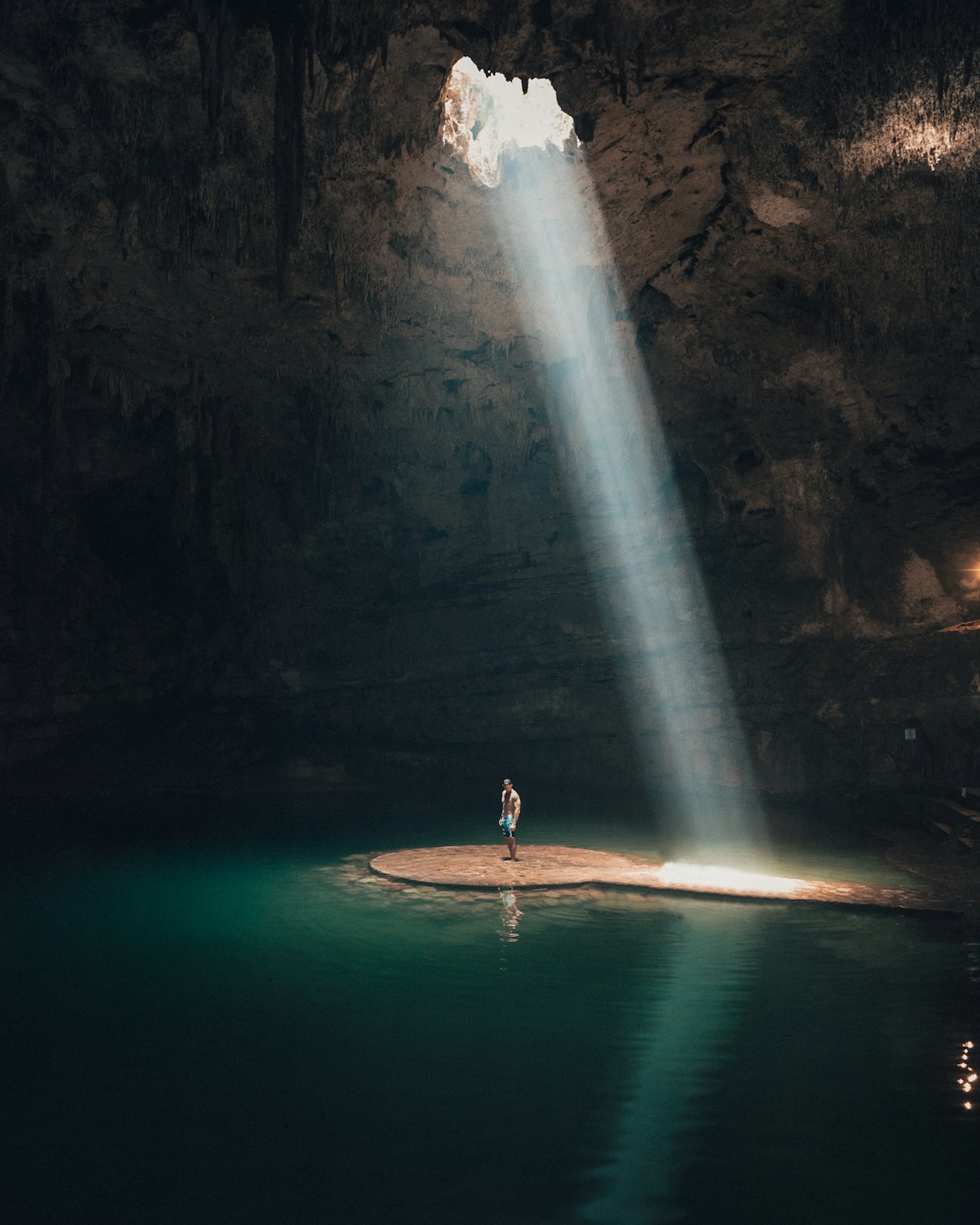
The Yucatan Peninsula holds one of the world’s most extraordinary freshwater systems. Over 10,000 cenotes - natural sinkholes filled with crystal-clear groundwater - punctuate the limestone landscape from Cancún to Mérida to Chetumal. This guide covers the whole peninsula, helping you choose which cenotes to visit based on where you’re staying and what experience you want.
For specific regional deep-dives, see our guides to cenotes near Tulum, cenotes near Valladolid, and the Riviera Maya cenote tour guide.
Top Tours at a Glance
Here’s a quick comparison of top-rated tours on GetYourGuide:
| Tour | Duration | Price (from) | Group Size | Highlights |
|---|---|---|---|---|
| Ik Kil & Chichén Itzá Day Tour from Mérida | Full day (10–11 hrs) | from $70/person | Group | Iconic cenote + UNESCO ruins combo |
| Valladolid Cenotes Circuit (Samulá & X’Kekén) | Half day (4–5 hrs) | from $45/person | Small group | Two cave cenotes, stalactites, easier crowds |
| Multi-Cenote Tour: Dos Ojos + Gran Cenote | Full day (7–8 hrs) | from $75/person | Group | Tulum-area circuit, snorkelling in cave systems |
| Cenote Ek Balam + Ruins Combo | Full day (8–9 hrs) | from $80/person | Small group | X’Canché cenote + Ek Balam pyramid, minimal crowds |
| Private Cenote Day from Cancún | Full day (8 hrs) | from $90/person | Private (2–6) | Custom route, flexible stops, bilingual guide |
Browse all Yucatan cenote tours → GetYourGuide
Types of Cenote
Understanding cenote types helps set expectations before you arrive.
Open-air cenotes are the most accessible - the limestone ceiling has fully collapsed, leaving a pool open to the sky. Water is bright turquoise and photography is easiest. These tend to attract the largest crowds.
Semi-open cenotes have partially collapsed ceilings, mixing shafts of light with cave atmosphere. Gran Cenote near Tulum is the benchmark example - popular but less crowded than fully open pools.
Cave cenotes are the most dramatic. You descend into an underground chamber where stalactites and stalagmites frame dark, extraordinarily clear water. The famous shaft-of-light photographs come from cave cenotes at midday when sunlight angles through the opening above.
Underwater cave systems (caverns and caves) are for certified divers only. The Sac Actun system near Tulum is the world’s longest known underwater cave system at over 370 km of mapped passages.
Best Cenotes by Region
Riviera Maya (Cancún to Tulum)
The most visited cenote corridor in Mexico, with easy access from Cancún, Playa del Carmen, and Tulum.
Cenote Dos Ojos (near Tulum): Two interconnected cave systems - the snorkelling circuit here is the finest introduction to cave cenotes without diving certification. Admission approximately MXN $350–400 as of 2026. Open 08:00–17:00.
Gran Cenote (3 km from Tulum ruins): Semi-open with exceptional water clarity and small turtles visible most mornings. Admission approximately MXN $370. Open 08:00–17:00. Arrive before 09:00 to beat tour group arrivals.
Cenote Azul (near Playa del Carmen): Large open-air pool with multiple depths - popular with families and good for swimming rather than snorkelling. Admission approximately MXN $200. Open 08:00–18:00.
Cenote Jardín del Edén / Ponderosa (Puerto Morelos): Large open-air cenote with interesting underwater formations visible to snorkellers. Admission approximately MXN $250. Good for beginners.
Cenote Chaak Tun (Playa del Carmen): Guided cave cenote experience with stalactite chambers. Admission approximately MXN $400 including guide. Tours run hourly - book in advance during peak season.
Valladolid Area
Valladolid sits in the geographic heart of the Yucatan peninsula and has some of the most underrated cenotes on the entire circuit. See our Valladolid cenotes guide for full detail.
Cenote Zací (inside Valladolid): Open-air cenote within the city itself. Admission approximately MXN $80. A rare chance to swim in a cenote without a significant drive.
Cenote Samulá and X’Kekén (Dzitnup, 7 km from Valladolid): Two classic cave cenotes side by side. Samulá has the signature overhead light shaft; X’Kekén is larger and darker with unusual formations. Combined admission approximately MXN $200.
Cenote X’Canché (Ek Balam, 25 km from Valladolid): Less visited, set in jungle next to the Ek Balam ruins. Admission approximately MXN $150. A 400m walk through forest from the ruins. No crowds before 10:00.
Mérida Area and Northern Yucatan
The area around Mérida and along the Puuc route contains some of the peninsula’s least touristed cenotes.
Cenote Xlacah (Dzibilchaltún, 16 km north of Mérida): Large open cenote inside the archaeological zone. Admission included with the ruins fee (approximately MXN $90 for the combined site). Often uncrowded except on weekends.
Cenote Hubiku (near Valladolid): Cave cenote with underground lagoon and stalactites, often missed by day-trippers from the coast. Admission approximately MXN $180.
Cenote Yokdzonot (between Chichén Itzá and Valladolid): Community-run, semi-open cenote in a quiet village. Admission approximately MXN $150. One of the best alternatives to the Ik Kil crowds.
Cenote Ik Kil (2.5 km from Chichén Itzá): The most iconic open-air cenote on the circuit - cascading vines, circular walls, and a perfectly circular pool. Admission approximately MXN $350. Extremely busy 10:00–14:00. Arrive at opening (08:00) or after 15:00.
Bacalar and Quintana Roo South
The deep south has fewer cenotes but the Bacalar area offers something different - the Lagoon of Seven Colours and a series of connected cenotes and channels accessible by kayak or boat.
What to Bring and Wear
- Biodegradable sunscreen only - conventional sunscreen chemicals harm the cenote ecosystem. Many sites refuse entry to anyone wearing regular sunscreen or insist on a freshwater rinse first. Bring dedicated biodegradable product or plan to swim without.
- Rash guard or t-shirt - easier to comply with no-sunscreen rules; also useful in cave cenotes where water can feel cool after extended time underwater.
- Snorkel gear - most cenotes rent basic mask and snorkel for approximately MXN $50–100. Bringing your own guarantees a good fit.
- Waterproof bag - lockers are available at most sites for approximately MXN $30–50, but a dry bag for phone and valuables is useful.
- Cash - most cenotes charge admission in cash only. MXN is standard; USD sometimes accepted at higher rates.
How to Visit Without the Crowds
The Riviera Maya cenotes see most of their visitors between 10:00 and 14:00, driven by tour buses from Cancún and Playa del Carmen. Strategies to avoid the worst:
- Arrive at opening - most cenotes open at 08:00–09:00. The first 90 minutes are often dramatically quieter than midday.
- Rent a car or hire a driver for the day - self-drive access lets you reach smaller cenotes before tour groups arrive. Hire a car in Mexico from Cancún, Mérida, or Tulum to maximise flexibility across the peninsula.
- Choose Valladolid-area over Riviera Maya - Samulá, X’Kekén, and X’Canché receive a fraction of the visitors that Dos Ojos or Gran Cenote do, despite comparable beauty.
- Visit on weekdays - weekend visits from Mexican families staying in Cancún and Mérida add to the peak-season tourist volumes.
- Go deeper south - cenotes near Bacalar and Chetumal rarely appear on organised tour circuits. Entirely different experience.
Guided Tours vs. Independent Visits
Independent visits work well for the popular Riviera Maya cenotes - Dos Ojos, Gran Cenote, Cenote Azul, and Ik Kil all operate independently with gate admission and rental equipment. Rent a car, pick a route, and stop at 2–3 in a day.
Guided cenote tours make sense for cave diving, multi-cenote circuits, and combination cenote-ruins itineraries. GetYourGuide, Klook, and Viator list numerous operators from Cancún, Playa del Carmen, and Tulum. Prices for a half-day cenote circuit run approximately MXN $600–1,200 per person including transport, as of 2026.
Cenote diving (beyond snorkelling) requires a minimum Open Water certification for cavern zones, and a Full Cave certification for the deep cave systems. Dos Ojos, Nohoch Nah Chich, and the Sac Actun system are the main dive sites. Several dive centres in Tulum - including Koox Diving (approximately MXN $2,500 per cavern dive as of 2026) and Phantom Divers - specialise in cenote cave diving courses and guided dives.