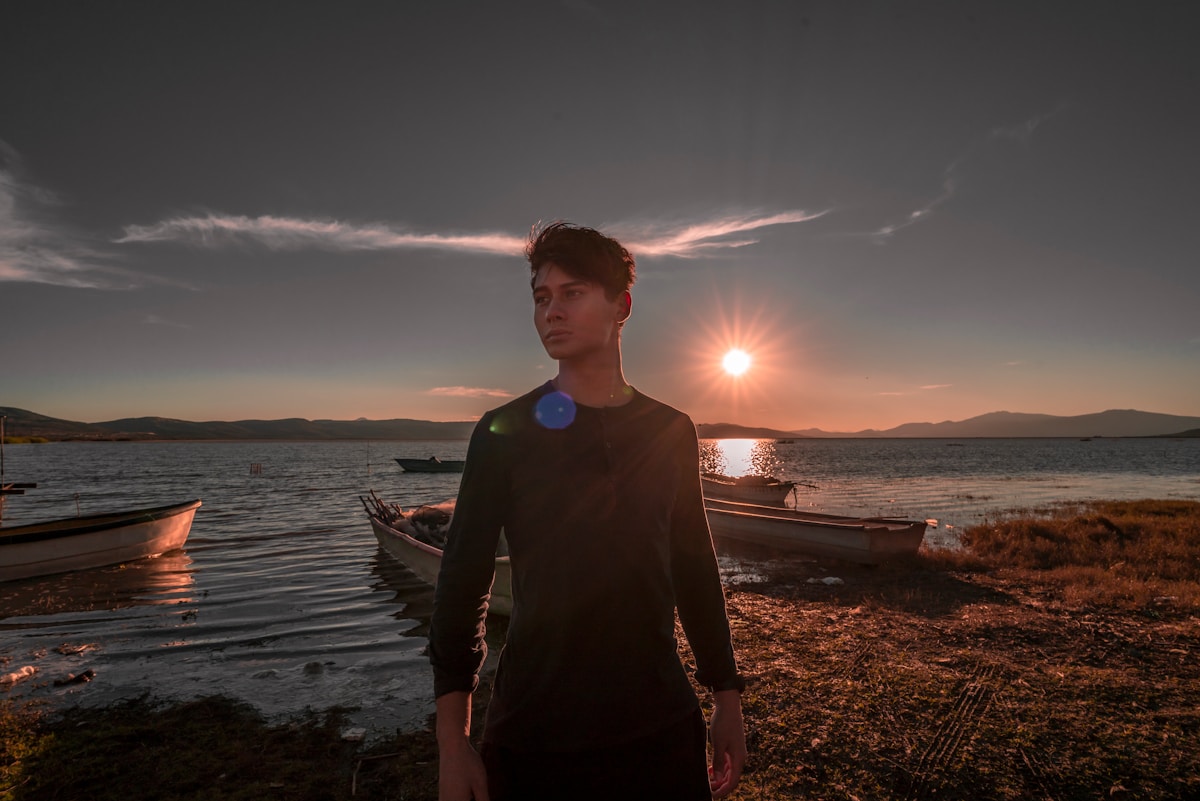
Pátzcuaro sits at 2,175 m in the lake highlands of Michoacán, surrounded by a cluster of villages, ruins, and craft towns within 30–60 minutes of the central plaza. The lake itself - with its famous butterfly-net fishermen and Janitzio island - takes half a day, and the Purépecha heartland towns to the south can be combined in a morning circuit. Morelia, a full baroque city, is just an hour away.
Top Tours at a Glance
Here’s a quick comparison of top-rated guided tours on GetYourGuide:
| Tour | Duration | Price (from) | Group Size | Highlights |
|---|---|---|---|---|
| Morelia Colonial City Day Trip | Full day | from $55/person | Group | UNESCO Morelia, pink stone cathedral, Michoacán market |
| Paricutín Volcano + Uruapan Day Trip | Full day | from $90/person | Small group | World’s youngest volcano, horse trek, lava field |
| Angangueo Monarch Butterfly Reserve | Full day | from $75/person | Group | Monarch colonies in oyamel forest (Nov–Mar) |
| Zirahuén Lake + Santa Clara del Cobre Tour | Half day | from $45/person | Group | Pristine lake, copper artisan village, craft demo |
Browse all Pátzcuaro tours → GetYourGuide
Quick comparison
| Day Trip | Distance | Transport | Entry | Time Needed |
|---|---|---|---|---|
| Janitzio island | 5 km (water) | Ferry ~MXN $85 | Free (landing) | 2–3 hours |
| Tzintzuntzan ruins | 18 km north | Colectivo ~MXN $20 | ~MXN $75 | Half day |
| Santa Clara del Cobre | 16 km south | Colectivo ~MXN $20 | Free | Half day |
| Morelia | 62 km northeast | ADO bus ~MXN $90 | Free (city) | Full day |
| Uruapan | 65 km southwest | Bus ~MXN $80 | ~MXN $50 | Full day |
| Quiroga | 20 km north | Colectivo ~MXN $25 | Free | 2–3 hours |
All costs approximate, as of 2026.
Janitzio - 5 km across the lake, 35 minutes by ferry
The most visited day trip from Pátzcuaro and the most iconic image of Lake Pátzcuaro. Janitzio island rises steeply from the lake to a monumental statue of José María Morelos - the Independence War leader - whose raised fist is visible from the shore. Inside the statue, a spiral staircase leads up through murals depicting Michoacán’s history to a viewing gallery in the fist itself.
The path up to the statue is lined on both sides with restaurants serving pescado blanco - the native whitefish of Lake Pátzcuaro, critically endangered in the lake but raised in aquaculture, lightly battered and pan-fried. This is one of the most specifically regional dishes in Mexico; the flavour is delicate and unlike any other freshwater fish. Prices on the island are fixed and posted.
The island is most atmospheric on Día de los Muertos (November 1–2), when families light thousands of candles on the lakeside cemetery at night - a spectacle that draws visitors from across Mexico. Outside this period, Janitzio is pleasant but not particularly quiet on weekend mornings. Book a guided Pátzcuaro lake tour if you want to combine Janitzio with the butterfly-net fishermen demonstration and a visit to Yunuen island.
Ferry from Muelle General dock: approximately MXN $70–90 round trip. Ferries run from approximately 8 am; last return around 7 pm (check locally).
Tzintzuntzan - 18 km north, 25 minutes
The ancient capital of the Purépecha Empire (also known as the Tarasco) - the only major pre-Hispanic empire in Mexico that the Aztecs never successfully conquered. The five yácatas (T-shaped platform pyramids) are unlike Maya or Aztec pyramid forms: they have a rounded front section and a rectangular back section, built from precisely cut stone slabs. The largest stands approximately 15 m high with a broad ceremonial platform. At sunset, the stone catches an orange-gold light.
The town beside the ruins is equally worth visiting. The Ex-Convento de San Francisco (circa 1526) was one of the first Franciscan missions established in Mexico - its vast atrium contained what are claimed to be the oldest olive trees in the Americas, planted from Spanish stock shortly after the Conquest. Several still stand and fruit.
Craft market: Tzintzuntzan specialises in straw weaving and distinctive black pottery with wax-resist decoration. Weekend market stalls line the road near the monastery.
Getting there: colectivos run from Pátzcuaro’s market area (approximately MXN $18–25, 25 minutes). Or by car - the lakeside road north is one of the more scenic routes in Michoacán.
Santa Clara del Cobre - 16 km south, 25 minutes
The copper capital of Mexico. Santa Clara del Cobre (officially Villa Escalante) has been producing handcrafted copper vessels since the pre-Hispanic Purépecha period. Today around 300 family workshops operate in the town, most open for visitors to watch the hand-hammering process - artisans heat copper discs in an open furnace and cold-hammer them over steel moulds using techniques unchanged for centuries.
The Museo Nacional del Cobre (main plaza, entry free) documents the history of copper-working in Michoacán and has examples from pre-Hispanic bowls to contemporary pieces. The surrounding streets have workshop-front stores selling everything from 10-peso spoons to elaborately worked furniture panels.
Prices in Santa Clara are typically 30–50% lower than in Pátzcuaro or Morelia for the same quality work - worth knowing before shopping in tourist-facing markets.
Getting there: colectivos from Pátzcuaro’s Mercado area (approximately MXN $18–22, 25 minutes). Or by car south on the main highway.
Morelia - 62 km northeast, 1 hour
Michoacán’s capital and one of Mexico’s most cohesive baroque cities. The UNESCO-listed historic centre was built primarily in the 17th and 18th centuries in tezontle - a pink-red volcanic stone that gives the entire centre a warm rosy tone unusual among Mexican colonial cities. The Cathedral (1640–1744) has twin 64 m towers in an ornate Churrigueresque style; the Acueducto de Morelia (1785) stretches 1.6 km with 253 arches.
The Mercado de Dulces (sweet market) near the aqueduct specialises in Michoacán’s famous confectionery: ate (quince paste), camotes (sweet potato sweets), and the elaborate sugar skulls used for Día de los Muertos. The Casa de los Once Patios (former Dominican convent) now houses artisan workshops selling lacquerware, textiles, and pottery.
Practical: ADO buses from Pátzcuaro to Morelia run regularly (approximately MXN $80–100, 1 hour). By car, the autopista (toll approximately MXN $80 each way) takes 50 minutes.
Uruapan - 65 km southwest, 1.5 hours
A subtropical city at lower elevation than Pátzcuaro, Uruapan is the commercial centre of the Michoacán avocado industry (the region produces the majority of Mexico’s avocado exports) and the starting point for two remarkable natural sites.
Parque Nacional Barranca del Cupatitzio (entry approximately MXN $50 as of 2026) is an urban national park where the Cupatitzio River emerges from a spring inside the park and flows through a series of cascades and pools through tropical vegetation within the city. The contrast - a genuine river canyon running through a major city - makes it one of Mexico’s most unusual urban parks. Allow 1.5–2 hours.
Paricutín volcano (65 km further, 1.5 more hours by road plus a 2–3 hour horse trek) is the volcanic cone that famously emerged from a cornfield in 1943 and grew over 9 years to 424 m, burying the nearby town of San Juan Parangaricutiro. The top of the church tower still protrudes from the lava field - one of the most surreal sights in Mexico. This is a full day from Pátzcuaro (leave by 6 am).
Getting there: buses from Pátzcuaro to Uruapan run regularly (approximately MXN $70–90, 1.5 hours).
Angangueo and the Monarch Butterfly Reserve - 130 km northeast, 2.5 hours
Between November and March, hundreds of millions of monarch butterflies overwinter in the oyamel fir forests northeast of Pátzcuaro in the mountains near Angangueo. The monarchs migrate from the eastern United States and Canada to roost in these specific forests at 2,800–3,400 m altitude. The sight of entire trees covered in orange-and-black wings - and the air filled with butterflies when the morning sun warms the forest - is one of the most remarkable natural spectacles in Mexico.
El Rosario sanctuary (near Angangueo, 2.5 hours from Pátzcuaro by car or direct tour bus) is the largest and most visited colony site. From the entrance, an uphill walk of approximately 30–45 minutes through pine-oyamel forest leads to the overwintering clusters. The butterflies mass on branches in their millions; on warm mornings (10–11 am) they take flight in such numbers that the sound of wings is audible. Entry approximately MXN $60 as of 2026. Local guides available at the entrance for approximately MXN $150–250 (optional but valuable for explaining the migration biology and identifying colony clusters).
Sierra Chincua (also near Angangueo) is a slightly smaller but often less crowded sanctuary - the forest is quieter and the walk (approximately 1 hour uphill) more intimate. The butterflies arrive from November and depart by late March; January–February is peak concentration.
Getting there: tours from Pátzcuaro run approximately MXN $600–900 per person including transport. Alternatively, take a bus from Pátzcuaro to Zitácuaro (approximately MXN $120, 1.5 hours), then a colectivo to Angangueo and a short vehicle transfer to the sanctuary entrance.
Lago Zirahuén - 20 km southwest, 30 minutes
A pristine highland lake at 2,100 m that most visitors pass over entirely in favour of the more famous Lake Pátzcuaro - a mistake. Lago Zirahuén is smaller (6 km long), clear, and surrounded by pine-oak forest with no major tourist infrastructure. The water is cold year-round and extraordinarily transparent - visibility through the surface from a boat is often 5–8 m. Local lore calls it the mirror lake, and on still mornings the reflection of the surrounding forest makes the name obvious.
A small village of the same name sits on the western shore with lanchas (traditional wooden boats) available for hire at approximately MXN $150–200 per hour. The lake has no motorised tourism boats - the pace is completely unhurried. The drive from Pátzcuaro on a good road passes through dairy country; the village has a small market selling fresh cheese and local produce. Combined with Santa Clara del Cobre (30 km further south), Lago Zirahuén makes an efficient half-day circuit southwest of Pátzcuaro.
Quiroga - 20 km north, 30 minutes
The market town of Quiroga on the northern shore of Lake Pátzcuaro is less about a single attraction and more about the shopping experience. Every craft village around the lake channels its production here for sale - lacquerware from Uruapan, copper from Santa Clara, woodwork from Paracho (guitars), pottery from local workshops. The Sunday market is a serious regional market, not a tourist one. Prices are noticeably lower than in Pátzcuaro town for the same goods.
Getting there: colectivos from Pátzcuaro (approximately MXN $22–28, 30 minutes) or by car along the northern lakeside road.
Planning tips
Pátzcuaro is well-served by colectivos to all nearby towns (Santa Clara, Tzintzuntzan, Quiroga) for MXN $20–30 each way. For Morelia and Uruapan, ADO buses are reliable and frequent. A rental car unlocks the flexibility to combine multiple stops - the copper workshop village, the ruins, and a lake viewpoint - in a single morning. Note that Pátzcuaro’s main market runs Monday through Thursday; visit the market district mid-week for the most active commercial atmosphere.
Search hotels in Pátzcuaro on Booking.com
Pátzcuaro’s elevation (2,175 m) means cool evenings even in summer - bring a layer.