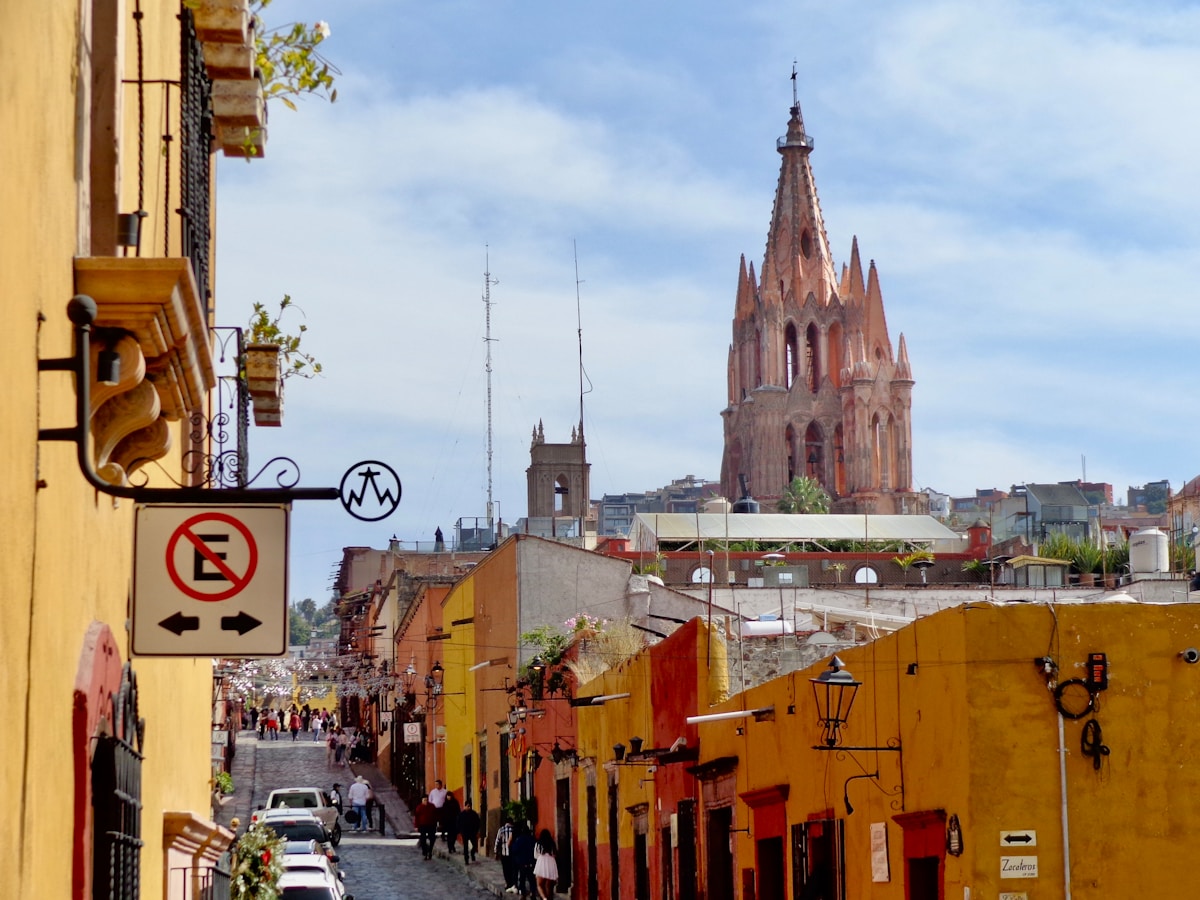
San Miguel de Allende sits in the heart of the Bajío - the high plateau of central Mexico that produced the colonial wealth, the architecture, and the independence movement that shaped the country. Almost everything within 100 km is historically significant, scenically dramatic, or both. A week based in San Miguel can yield excellent day trips without repeating a landscape.
Top Tours at a Glance
Here’s a quick comparison of top-rated guided tours on GetYourGuide:
| Tour | Duration | Price (from) | Group Size | Highlights |
|---|---|---|---|---|
| Guanajuato City Day Trip from San Miguel | Full day | from $65/person | Group | UNESCO colonial city, Callejón del Beso, mummy museum |
| Pozos Ghost Town + Hot Springs Day Trip | Half day | from $45/person | Small group | Abandoned mining town, natural thermal pools |
| Dolores Hidalgo + Queretaro Full Day | Full day | from $75/person | Group | Independence bell, Talavera tiles, UNESCO Querétaro |
| Agave + Mezcal Day Trip — Valle de Señor | 4 hrs | from $80/person | Small group | Artisanal mezcal distillery, agave field, tastings |
Browse all San Miguel de Allende tours → GetYourGuide
Guanajuato - 1.5 hours west
Distance: 95 km, approximately 1.5 hours by car or direct bus.
Guanajuato is the day trip from San Miguel de Allende. A former silver-mining city built on impossible terrain - a ravine so steep that the main road runs underground through the converted flood tunnels of the former Río Guanajuato - it is one of the most architecturally and atmospherically dramatic cities in Mexico.
What to do:
- Callejón del Beso (Alley of the Kiss) - two balconies 70 cm apart at a bend in an alley. According to legend (probably invented for tourism, and better for it), couples must kiss at the alley’s narrowest point or face seven years of bad luck. The alley is real, genuinely narrow, and worth seeing.
- Museo de las Momias - a collection of naturally mummified bodies exhumed from the Guanajuato cemetery when families couldn’t pay burial taxes in the 19th and 20th centuries. Genuinely unsettling, genuinely fascinating, and very Mexican in its combination of the macabre and the matter-of-fact. Admission approximately MXN $120–150 per person as of 2026.
- El Pípila viewpoint - take the funicular (approximately MXN $50) or walk up the stairs behind the city centre to the monumental statue of the independence hero El Pípila, where the view over the Guanajuato basin is the best in the Bajío.
- Teatro Juárez - a neoclassical theatre from 1903 with a Doric colonnade and an interior that mixes Moorish, Art Nouveau, and French Empire influences. Worth seeing inside if there’s a performance (check the calendar at the tourist office); otherwise the exterior is free to admire.
- Mercado Hidalgo - a 1910 wrought-iron market structure with vendors selling local sweets (cajeta - goat’s-milk caramel - from nearby Celaya), leather goods, and produce. The upper level has food stalls.
Getting there: Direct buses from San Miguel’s central bus terminal (Central Camionera) run several times daily via Flecha Amarilla - approximately 1.5 hours, MXN $100–130 each way. The bus drops at Guanajuato’s bus station, from which it’s a short taxi to the centre (MXN $40–60).
Dolores Hidalgo - 45 minutes north
Distance: 54 km, approximately 45 minutes by car.
Dolores Hidalgo is where the Mexican War of Independence began. On 16 September 1810, the parish priest Miguel Hidalgo rang his church bell and delivered the Grito de la Independencia (Cry of Independence) from its steps - calling on his congregation to overthrow Spanish rule. The bell (or a replica) now hangs in the National Palace in Mexico City, rung by the president each Independence Day.
The town itself is modest - a colonial plaza, the Parroquia de Nuestra Señora de los Dolores (the church, worth visiting for its churrigueresque facade), and the Museo Casa de Hidalgo (Hidalgo’s former residence, now a museum; approximately MXN $60 admission). The town is also famous for producing unusual paletas (ice lollies) - flavours include maize, mezcal, tequila, shrimp, and cheese. The vendors on the plaza near the church sell them from approximately MXN $20–40.
Why go: Dolores Hidalgo makes most sense combined with Guanajuato (both are on the Independence Route, Ruta de la Independencia) or on 15–16 September when the town fills for Independence celebrations and the Grito is re-enacted from the church steps with particular historical weight.
Getting there: Buses from San Miguel’s central terminal (Flecha Amarilla) run frequently - approximately 45 minutes, MXN $50–80 each way.
La Gruta and Escondido Place Hot Springs - 30 minutes east
Distance: 30 km, approximately 30 minutes by car.
The Guanajuato highlands sit above active geothermal zones. The hot springs complexes east of San Miguel are popular weekend destinations for residents - natural thermal pools at around 35–40°C in cave grottos and open-air pools.
La Gruta is the most famous - a cave pool (the gruta - grotto) accessible through a narrow entrance tunnel, with thermal water at approximately 38°C and a vaulted stone ceiling. Open-air pools surround the cave. Admission approximately MXN $200–250 per person (as of 2026); private rooms available for approximately MXN $400–500 per hour for smaller groups.
Escondido Place (2 km from La Gruta) is more developed, with multiple tiered pools at different temperatures, garden setting, and a restaurant. Admission approximately MXN $200–350.
Getting there: Colectivo taxis (shared minivans) run from the corner of Recreo and Canal streets in San Miguel toward Atotonilco and La Gruta - approximately MXN $30–40 per person, 30 minutes. A private taxi runs approximately MXN $150–200 each way.
Santuario de Atotonilco - 15 minutes north
Distance: 15 km, approximately 20 minutes by car.
The Sanctuary of Atotonilco is a baroque church complex begun in 1740, covered floor to ceiling in murals, paintings, and religious art in a style that has been described as the Mexican Sistine Chapel - though the effect is more fevered and folk-art than Michelangelo. The church is an active pilgrimage site; Hidalgo used its banner of the Virgin of Guadalupe as the battle standard of the independence movement.
The sanctuary has been a UNESCO World Heritage Site (as part of the wider San Miguel de Allende historic area) since 2008. Admission is free; photography is allowed. Best visited during weekday mornings when pilgrims and tour groups are fewer.
Getting there: Colectivo to La Gruta (see above) will drop you at the Atotonilco junction.
Querétaro - 1 hour south
Distance: 65 km, approximately 1 hour by car or bus.
Querétaro is a state capital and UNESCO World Heritage city with one of the best-preserved colonial cores in Mexico - arguably less visited than it deserves, possibly because it lacks the dramatic topography of Guanajuato or the romantic reputation of San Miguel. The Acueducto de Querétaro (a 74-arch 18th-century aqueduct still intact and visible from several streets) is the landmark image. The Templo de Santa Rosa de Viterbo has one of the most elaborate churrigueresque facades in Mexico.
For visitors with culinary interests, Querétaro is notable for its wine production - the Valle de Querétaro (see below) is the most serious wine-producing region in Mexico, and several wineries do direct tastings. The city’s food market (Mercado de la Cruz) is authentic and affordable.
Getting there: ETN and Primera Plus buses from San Miguel run several times daily - approximately 1 hour, MXN $100–150 each way. The Querétaro bus terminal is 5 km from the historic centre; taxi approximately MXN $80.
Valle de la Independencia - Bajío Wine Country
The highlands of Guanajuato and Querétaro states between approximately 1,800–2,100 m altitude produce Mexico’s most distinctive wines - conditions sufficiently extreme (hot days, cold nights, altitude UV) to concentrate both flavour and alcohol in ways Baja California’s maritime-influenced wines don’t. Production is small; most bottles are consumed domestically or at restaurant tables in the Bajío.
Notable wineries (day trips from SMA):
- Cava de Oro (San Miguel area) - 20 minutes from the city centre, a family-owned winery with tours and tastings. Approximately MXN $200–300 per person for a guided tasting as of 2026.
- Dos Buhos Winery (San Miguel area) - boutique organic winery; booking required for visits.
- Freixenet México (Guanajuato, near Dolores Hidalgo) - the Mexican outpost of the Spanish cava producer, with formal cellar tours and sparkling wine tastings. Approximately MXN $200–400 for a tour and tasting.
- La Redonda (Querétaro valley) - one of the oldest and most established Valle de Querétaro wineries, with a restaurant. Tours from approximately MXN $300 per person.
Wine tourism in the Bajío is less polished than Napa or even Baja California’s Valle de Guadalupe - but that’s part of the appeal. You’re likely to be tasting with the winemaker.
Agave and mezcal tours: Beyond wine, the Bajío highlands around San Miguel are home to artisan mezcal producers who cultivate native agave varieties across the high-altitude terrain. Half-day tours departing from San Miguel visit working distilleries — operations such as Valle de Señor, which offers guided agave field walks, traditional pit-roast demonstrations, and tastings of small-batch mezcal made from varieties including espadín and tobalá. Tours typically take 4 hours and cost approximately MXN $600–900 per person including transport and tastings.
Mineral de Pozos - 1 hour north
Distance: 65 km, approximately 1 hour by car.
Mineral de Pozos is a former silver and copper mining town that was one of the wealthiest communities in the Bajío during the 17th and 18th centuries, then was almost completely abandoned when the mines collapsed in the early 20th century. Unlike Guanajuato, which was rebuilt and has a functioning city around its colonial core, Pozos never recovered. The result is something rarer: a ghost town with genuine ruins - open shafts, collapsed mine buildings with vegetation growing through the walls, and an old processing plant still standing in partial form on the edge of town.
What to do:
- Mine ruins: The most striking part of Pozos is the cluster of ruined industrial structures east of the main plaza - particularly the Cinco Señores mine shaft complex and the remains of the Hacienda de Beneficio. Walking through these with a local guide provides historical context; on your own, the setting is dramatic but the history requires interpretation. Entry to the mine ruins area is free; local guides available at the main plaza entrance for approximately MXN $150–200 for a 1.5-hour tour.
- Main plaza and parish church: The central square has a colonial church (the Templo de San Pedro) in various stages of restoration. The plaza has a handful of small cafés and craft shops selling locally made instruments and pottery. The village has around 4,000 permanent residents and operates as an active community rather than a pure tourist site.
- Prehispanic instruments: Pozos is known for its craft tradition of making reproductions of Mesoamerican musical instruments - clay ocarinas, flutes, and drums based on archaeological finds. Several workshops in town sell and demonstrate these; prices range from approximately MXN $80–400 depending on size and complexity.
- Hiking: The surrounding semi-arid landscape (nopal cactus, agave, grassland) is accessible on foot from the edge of town. Trails around the mine ruins offer 1–2 hour circuits with minimal elevation change but dramatic abandoned-industrial scenery.
Combining with La Gruta hot springs: The hot springs at La Gruta are 30 minutes from Pozos in the direction of San Miguel - most tour operators (and drivers) combine both in a half-day circuit. Leave San Miguel at 9 am, reach Pozos for 2–3 hours, then stop at La Gruta on the return.
Getting there: No public buses run directly to Pozos. A private taxi from San Miguel costs approximately MXN $350–500 each way; most drivers will wait and return (negotiate a round-trip rate of approximately MXN $600–800 including waiting time). Guided tours that include Pozos from San Miguel are available on GetYourGuide - these typically combine Pozos with the hot springs and handle transport entirely.
When to visit: Pozos is small and can be done in 2–3 hours. Weekdays are significantly quieter - some of the craft workshops close Sunday afternoon. The dry season (November–April) is best for the mine ruin walks as the ground becomes muddy after summer rains.
Practical Notes
Private tours: Several operators in San Miguel offer day-trip combinations (Guanajuato + Dolores Hidalgo, hot springs + Atotonilco) with driver, guide, and hotel pick-up. Approximately USD $80–150 per person for a shared group tour, USD $200–400 for a private vehicle.
Driving: The roads between San Miguel, Guanajuato, Dolores Hidalgo, and Querétaro are all well-maintained toll highways (cuotas). A rental car gives maximum flexibility and is the best way to combine multiple destinations. Car rental from SMA airport or downtown offices approximately USD $35–60 per day.
Timing: Start early for Guanajuato - the underground tunnels and callejones (alleys) are best explored before tour groups arrive at 10am. La Gruta is busiest Saturday afternoons; weekday mornings are noticeably quieter.
Plan your trip: tours in San Miguel de Allende · car hire · travel insurance.
More San Miguel de Allende Guides
- Back to San Miguel de Allende Guide
- Food to Try in San Miguel de Allende
- Things to Do in San Miguel de Allende
Search hotels in San Miguel de Allende on Booking.com