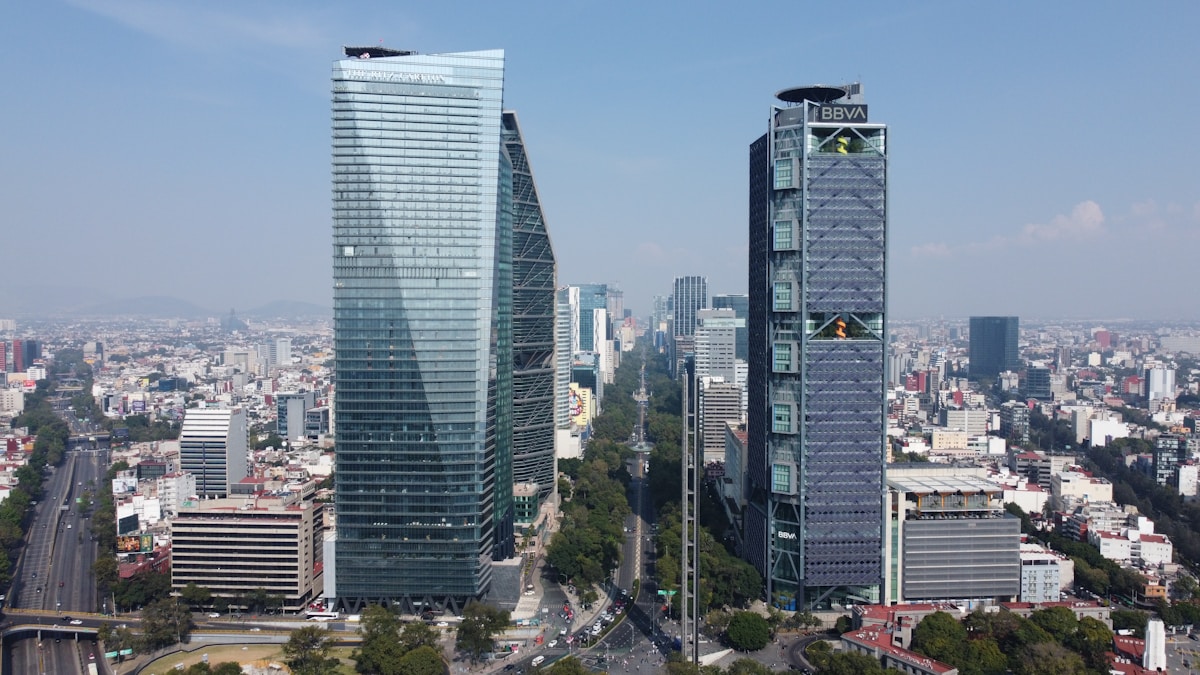
Mexico unveiled its 2026–2030 Sustainable Tourism Policy at a ministerial summit in Mexico City on 2 September 2026, setting out a five-year framework that will reshape how the country manages visitor numbers, protects sensitive ecosystems, and distributes tourism revenue to local communities.
What the Policy Covers
The framework targets four main areas: environmental carrying capacity at protected sites, certification standards for tour operators and accommodation providers, community-benefit requirements for concessions in biosphere reserves, and data transparency on visitor volumes.
Under the new rules, sites such as the Sian Ka’an Biosphere Reserve — which receives hundreds of thousands of visitors each year — will be subject to mandatory daily caps enforced through an online booking system. Operators running tours in Sian Ka’an will need to obtain updated concession permits by January 2027.
What Changes for Visitors
For most travellers, the immediate effect is administrative rather than practical. Popular natural areas may introduce timed-entry slots, similar to systems already in place at Chichen Itza and Teotihuacán. Booking ahead — especially for eco-tours to cenotes, jungle reserves, and coastal wetlands — will become increasingly important.
The policy also introduces a visitor contribution levy at certain federally managed sites, with proceeds ringfenced for conservation and community development programmes. Amounts have not yet been finalised but are expected to be in the range of MXN 50–200 per visit depending on site classification.
Tour operators certified under the new Sello Verde (Green Seal) scheme will be required to source a minimum percentage of staff and services from local communities and to publish annual sustainability reports.
Planning Your Trip Under the New Rules
If you’re visiting Mexico for the first time, the headline message is: research entry requirements for natural sites before you go. Many of the most requested experiences — snorkelling in cenotes, wildlife tours in coastal reserves, overnight stays in jungle camps — will move toward pre-booking rather than walk-up access.
The full policy document and implementation timeline is expected to be published on the Secretaría de Turismo website in October 2026, ahead of the January 2027 operator compliance deadline. In the meantime, browse Mexico tours and activities to see which operators are already running certified sustainable experiences across the country.