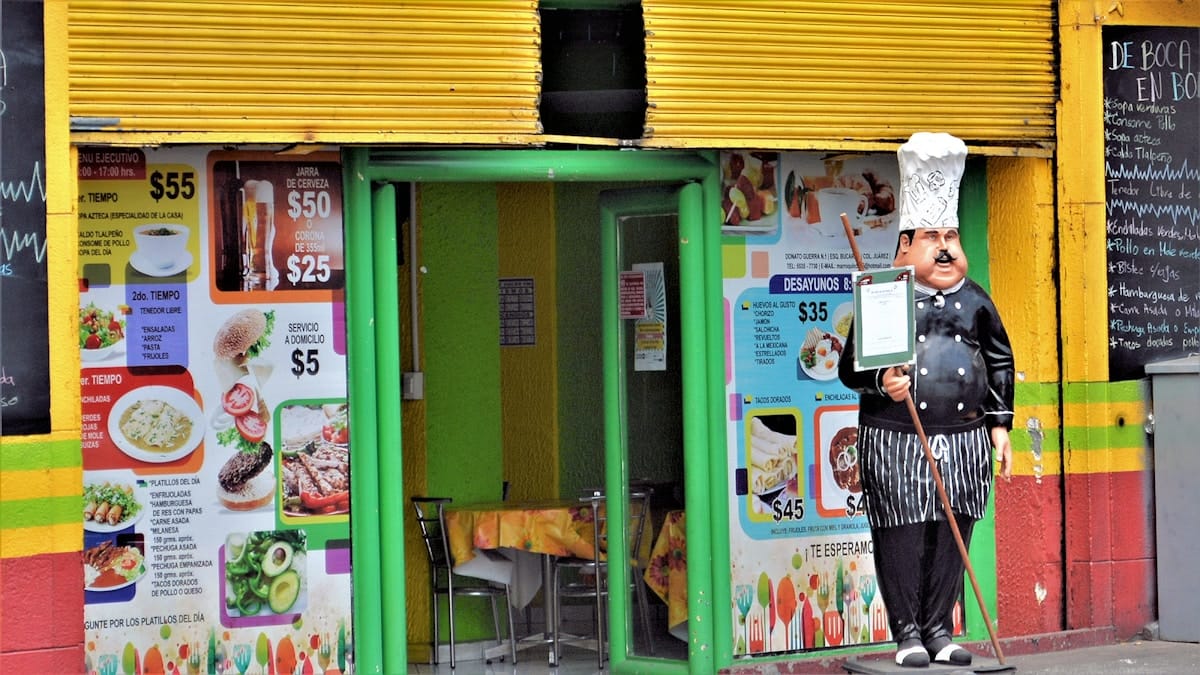
Mexico City has the most developed vegan food scene in Mexico - the intersection of a 22-million-person metropolis, a strong market food culture, and a growing international community has produced both dedicated vegan restaurants and a deep tradition of naturally plant-based dishes. Roma Norte and Condesa are the epicentres of the dedicated vegan scene, but every neighbourhood has options if you know what to look for. The traditional market system - tamales, nopales, esquites, fresh fruit - provides a parallel stream of vegan eating that predates the modern movement by centuries.
Traditional dishes that are naturally vegan
Not everything in Mexican cuisine involves meat. These preparations are inherently plant-based or easily made so:
Tacos de frijoles: Bean tacos - common at street stalls and market fondas. Usually plant-based, though the beans may have been fried in lard at traditional establishments. Ask “¿Los frijoles tienen manteca?” In Roma and Condesa, most restaurants use vegetable oil by default.
Tacos de nopales: Grilled or sautéed cactus paddles in a corn tortilla with salsa, onion, and coriander. Available at many taco stands, particularly in the mornings and at markets. No animal products.
Enfrijoladas: Tortillas dipped in thick black bean sauce, topped with onion, avocado, and salsa. Traditionally served with cheese or cream - specify “sin queso, sin crema” for a vegan version. The bean sauce itself is usually vegan.
Guacamole and totopos: Always vegan - avocado, lime, onion, cilantro, salt. Totopos (tortilla chips) are fried in vegetable oil at the vast majority of establishments.
Esquites: Corn kernels in a cup with chile, lime, epazote, and typically mayonnaise and cheese. Order “sin mayonesa, sin queso” - the corn with lime and chile alone is excellent.
Agua frescas: Jamaica (hibiscus), horchata (rice milk, cinnamon, sugar), tamarindo, limón - all naturally vegan and available at every market, juice stand, and comida corrida restaurant. Approximately MXN $15–30 per glass.
Tamales de rajas or frijoles: Corn masa tamales with chilli strips or beans. The filling is vegan, but the masa traditionally contains lard - ask specifically about lard-free masa. Market vendors who make vegan tamales exist, particularly in Roma and near health food markets.
Best vegan restaurants
Dedicated vegan
| Restaurant | Neighbourhood | Specialty | Price range |
|---|---|---|---|
| Por Siempre Vegana Taquería | Medellin, Roma Norte | Vegan suadero, barbacoa, al pastor tacos | MXN $30–60 per taco |
| Vegano Smart | Multiple locations | Fast-casual burgers, tacos, antojitos | MXN $80–150 per meal |
| Los Loosers | Roma Norte | Vegan comfort food, burgers, milkshakes | MXN $100–200 |
| La Pitahaya Vegana | Condesa | Vegan Mexican food, comida corrida format | MXN $90–150 |
| Blanca Flor | Mercado Medellín, Roma Sur | Market stall, plant-based comida corrida | MXN $60–100 |
| Forever Vegano | Roma Norte | Raw and cooked options, international menu | MXN $100–180 |
Por Siempre Vegana is the essential CDMX vegan experience - the vegan versions of suadero, barbacoa, and al pastor use soy protein and mushroom bases that convincingly replicate texture and flavour. Queue expected on weekends, particularly Saturday late morning. Open until approximately 4–5 pm daily (or until they run out).
Vegan-friendly (not exclusively vegan)
| Restaurant | Neighbourhood | Vegan offering | Price range |
|---|---|---|---|
| Quintonil | Polanco | Plant-forward tasting menu using indigenous ingredients | MXN $2,500–4,000 |
| Café Nin | Roma Norte | Vegan breakfast options, good coffee | MXN $100–200 |
| Ojo de Agua | Multiple locations | Juices, salads, plant-based breakfast bowls | MXN $80–160 |
| Raw Love | Roma Norte | Raw plant-based, smoothie bowls, desserts | MXN $100–200 |
| Lardo | Condesa | Mediterranean, multiple vegan mains | MXN $150–280 |
Markets: where and what to eat
Mercado de Medellín (Roma Sur)
The best market for vegan-curious eating in CDMX. Blanca Flor operates as a dedicated vegetarian/vegan comida corrida stall - daily changing menu with a set meal (soup, main, agua fresca) for approximately MXN $60–100. The market also has excellent fresh produce, artisan tofu vendors, and the city’s best selection of imported specialty foods (useful for stocking a kitchen).
Mercado de Jamaica
The city’s main flower market, but the food section has good produce vendors and fruit stands. Less tourist-oriented than Medellín - prices are lower, but finding dedicated vegan stalls requires exploration.
Mercado de San Juan
Known for gourmet ingredients - artisan cheeses, imported goods, exotic meats. Less useful for vegans specifically, but the produce quality is high. Several stalls sell mushrooms (huitlacoche, hongos, portobello) that are excellent for cooking.
Street food approach
The most practical strategy for vegan street food in CDMX:
- Morning: Fresh fruit at any puesto de frutas (approximately MXN $20–40 for a large cup). Tamales from a vendor who confirms no lard in the masa (some health-conscious vendors near organic markets). Atole (hot corn drink) - traditional atole is vegan; chocolate atole sometimes contains dairy
- Midday: Tacos de nopales, tacos de frijoles, or tostadas with guacamole from market stalls. Esquites sin mayonesa. Fresh jugo (juice) from a juice bar (naranja, zanahoria, verde)
- Afternoon/evening: Elote on the cob with lime and chile (sin mayonesa, sin queso). Churros from a street vendor (traditional churro dough is flour, water, salt - vegan; the chocolate dip may contain dairy). Tacos de papa (potato tacos) - available at some stands
Best neighbourhoods for vegan eating
Roma Norte: The highest concentration of dedicated vegan restaurants and vegan-friendly cafés. Walk Calle Medellín, Calle Orizaba, and Avenida Álvaro Obregón for the most options within a few blocks.
Condesa: Similar to Roma but slightly quieter. Good vegan cafés along Avenida Tamaulipas and around Parque México. Farmers’ markets on weekends sometimes have vegan vendors.
Coyoacán: The weekend market (Mercado de Coyoacán) has fruit, tostadas, and esquites. Several vegetarian-friendly restaurants around Jardín Centenario. Less dedicated vegan infrastructure than Roma but more traditional plant-based options.
Centro Histórico: The most challenging neighbourhood for strict vegans (traditional fondas dominate), but market fruit, agua frescas, and tacos de nopales are everywhere. The Mercado de San Juan has specialty ingredients.
Polanco: Upscale dining - Quintonil is the standout for plant-forward fine dining. Hotel restaurants and international restaurants generally accommodate vegan requests. Most expensive neighbourhood for eating.
What to watch for
Lard (manteca): Traditional CDMX cooking uses lard extensively - in tamales, refried beans, and sometimes on the comal for tortillas. Ask “¿Tiene manteca?” at market stalls and traditional restaurants. In Roma/Condesa restaurants targeting an international clientele, vegetable oil is standard - asking is less necessary.
Cheese (queso fresco) and cream (crema): Default toppings on many dishes - sopes, tostadas, enfrijoladas, enchiladas. Ask for “sin queso, sin crema” when ordering. This request is well understood in CDMX.
Chicharrón: Fried pork skin appears in many dishes as a default - sometimes blended into salsas or added to stews and gorditas. Less visible than whole chicharrón pieces, so ask specifically at traditional fondas.
Chicken broth (caldo de pollo): Used as a base in many soups, rice dishes, and some moles. Ask “¿El arroz/sopa lleva caldo de pollo?” - this is a common hidden animal product in otherwise plant-based-looking dishes.
Grocery and self-catering
For longer stays or preparing your own food:
- Chedraui, Soriana, La Comer: Plant milks (Alpura Vegetal, NotCo, Silk - approximately MXN $40–60/litre), tofu (approximately MXN $30–50), veggie burgers, and extensive produce sections
- Organic markets: Mercado el 100 (Roma Norte, Saturdays) has artisan vegan products, nut cheeses, plant-based charcuterie, organic produce
- Tianguis (weekly street markets): neighbourhood markets operating on specific days - the cheapest source of fresh produce. Seasonal fruits (mangos May–August, guavas October–February, tunas August–October) at approximately 30–50% less than supermarket prices
- Health food stores: Green Corner (Roma Norte), The Green Corner (Condesa) - dedicated health food shops with imported vegan products, supplements, and prepared foods
Plan your trip: tours in Mexico City · eSIM for Mexico.
Related City Guides
-
Mexico City Food Tours - guided tours that can be adapted for plant-based eaters
-
Street Food Guide to Mexico - which street foods are naturally vegan or can be modified
-
Mexico City Digital Nomad Guide - neighbourhood breakdown for longer stays in CDMX
-
Vegan Guide to Oaxaca - plant-based options in Oaxaca’s traditional cuisine