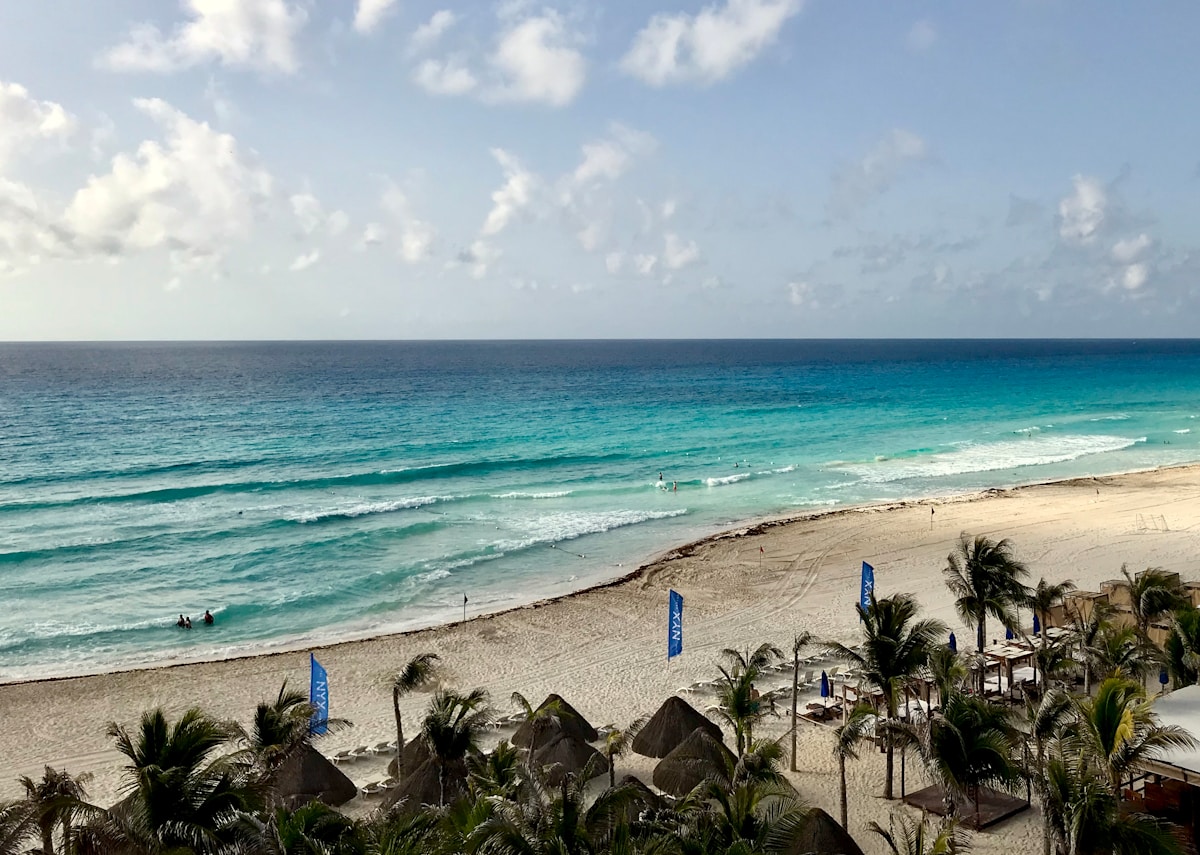
The 2026 Atlantic hurricane season officially opens on 1 June, giving travellers to Cancún, Playa del Carmen, and the wider Riviera Maya just days to review their plans. With the FIFA World Cup bringing an estimated five million visitors to Mexico between June and July, understanding seasonal weather risks is more important than ever this year.
What the 2026 Forecasts Say
Mexico’s National Meteorological Service (SMN) projects between 11 and 15 named Atlantic systems for the season. Colorado State University forecasters lean toward a below-average season, citing El Niño influence and elevated tropical wind shear in the Atlantic, with a headline figure of 13 named storms, six hurricanes, and two major hurricanes.
The two weeks either side of June 1 are historically the quietest stretch of any season, so the opening of summer does not signal immediate danger. Statistically, significant storm activity in the western Caribbean ramps up from mid-August.
What Visitors Should Do
Take out comprehensive travel insurance before you fly. Standard cancellation cover may not include weather disruptions unless you opt for a policy that specifically covers hurricanes or “cancel for any reason.” Read the fine print before departure. See our Mexico travel insurance guide for what to look for, or compare Mexico travel insurance options directly.
Monitor official forecasts. The National Hurricane Center (nhc.noaa.gov) and CONAGUA publish free, twice-daily updates once a system develops. Most Cancún resorts have evacuation and shelter protocols; ask yours at check-in.
Know your flexibility options. With direct and connecting flights to Cancún operating from dozens of cities - including recent new services from North America and Europe - rebooking in a weather disruption is more practical than it has ever been. Check what rescheduling rights your airline offers.
Check your accommodation refund policy. All-inclusive resorts typically have well-rehearsed emergency procedures, but smaller boutique hotels along the coast may have stricter cancellation terms.
For World Cup Travellers
Mexico City, Guadalajara, and Monterrey - the three World Cup host cities - sit inland and at altitude, making them largely unaffected by Atlantic storm systems. Visitors combining a match trip with time on the Caribbean coast should plan beach stays around any system activity rather than the other way around.
Cancún sits on a peninsula exposed to the Gulf and the Caribbean, as does Playa del Carmen. Both destinations have modern emergency infrastructure. Historically, most storms that reach the Yucatán Peninsula do so in September and October, after the World Cup ends.
Bottom Line
A below-average forecast does not mean zero risk. Travel insurance, flexible bookings, and a basic understanding of how tropical weather systems develop are the three best investments any visitor can make before arriving on Mexico’s Caribbean coast this summer.
Most of the season - especially June and early July - offers perfectly safe conditions. Cancún tours and activities run throughout this period, from snorkelling the reef to day trips to Chichén Itzá and Cobá.
For more on staying safe while exploring Mexico, see our full Mexico safety guide.