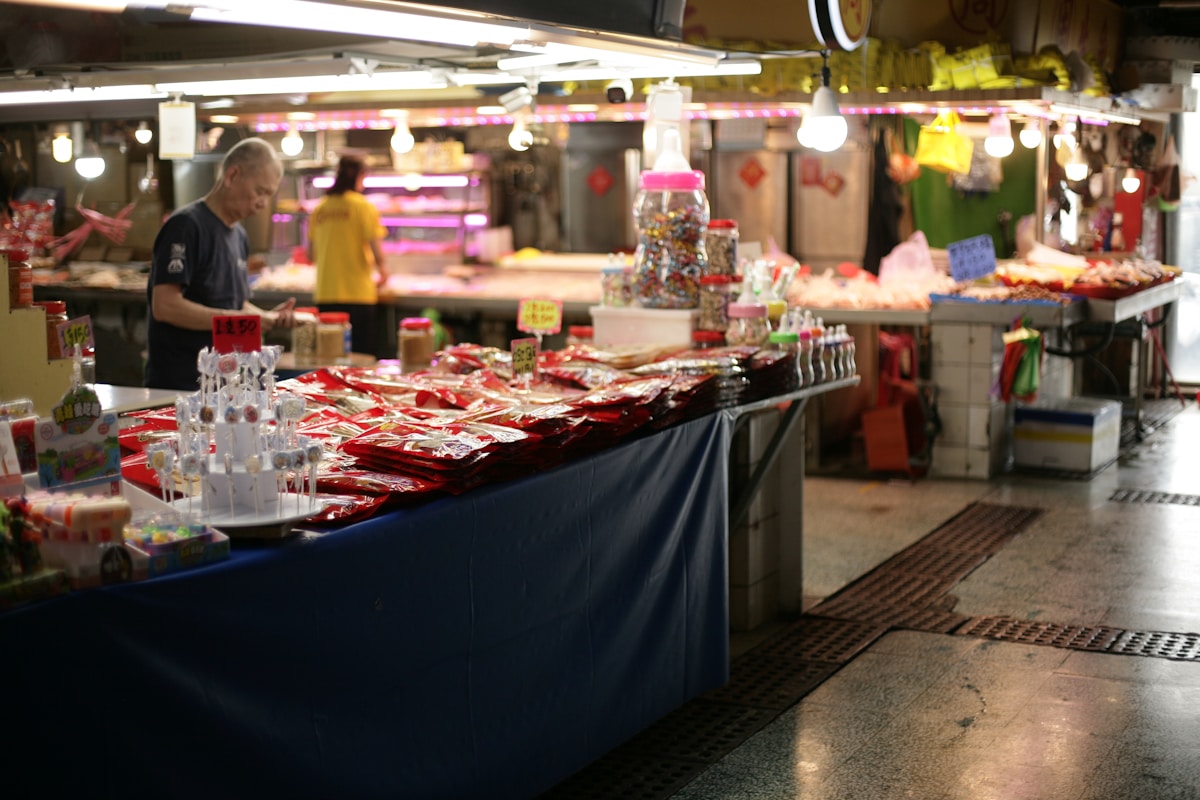
Mexico’s cost of living has made it one of the most popular expat destinations in the world, particularly for remote workers, retirees, and anyone whose income is pegged to a stronger currency. But “Mexico is cheap” understates the variation: costs in Tulum beach, Mexico City’s Polanco district, or San Miguel de Allende can rival Southern Europe, while smaller colonial cities and regional capitals remain genuinely affordable. This guide breaks down what you actually spend in 2026.
How to read this guide
All peso figures are approximate as of 2026 at approximately MXN 20 per USD. Exchange rates fluctuate; the peso has strengthened in recent years and may continue to do so. Costs are presented in three tiers:
- Budget: shared accommodation or basic private apartment, street food and home cooking, no car, minimal entertainment spending
- Mid-range: private furnished apartment, mix of cooking and restaurants, Uber for transport, gym membership, occasional weekend trips
- Comfortable: nice two-bedroom apartment, regular restaurant meals, car or full-time Uber reliance, regular healthcare spending, travel within Mexico
Rent
Rent is the biggest variable in any expat budget and varies more than any other category between cities.
Mexico City
Mexico City has the widest range of any Mexican city. The most popular expat neighbourhoods (Roma Norte, Condesa, Polanco, Juárez) command significant premiums:
- Studio or one-bedroom in Roma Norte/Condesa: MXN 12,000-20,000/month (USD 600-1,000)
- Two-bedroom in Roma Norte/Condesa: MXN 18,000-30,000/month (USD 900-1,500)
- Two-bedroom in Coyoacán or Narvarte: MXN 12,000-18,000/month (USD 600-900)
- Shared room in coliving space: MXN 5,000-9,000/month
Short-term furnished rentals through platforms like Airbnb run 30-60% higher than these figures. For stays over three months, negotiating directly with landlords typically yields monthly rates 20-30% below listed prices.
Oaxaca City
Oaxaca City sits at a sweet spot of quality, culture, and affordability:
- One-bedroom furnished apartment in Centro Histórico or Jalatlaco: MXN 8,000-14,000/month
- Two-bedroom house in Reforma or Xochimilco: MXN 10,000-18,000/month
- Studio in a shared complex: MXN 5,000-8,000/month
Demand from digital nomads and short-term visitors has pushed rents up 20-30% since 2022, but Oaxaca remains notably cheaper than Mexico City or San Miguel.
Guadalajara
Guadalajara is often overlooked by expats despite being Mexico’s second city. It offers Mexico City-level amenities at significantly lower cost:
- One-bedroom in Providencia or Zapopan: MXN 8,000-13,000/month
- Two-bedroom in Americana or Chapalita: MXN 10,000-16,000/month
Mérida
Mérida is among the cheapest major cities in Mexico for rent:
- One-bedroom in García Ginerés or Montejo: MXN 7,000-11,000/month
- Two-bedroom in Mérida Centro or Francisco de Montejo: MXN 9,000-15,000/month
San Miguel de Allende and Tulum
Both command Mexico’s highest rents outside Mexico City resort districts:
- San Miguel de Allende: two-bedroom MXN 18,000-30,000/month in the centro; MXN 12,000-18,000 further out
- Tulum town: two-bedroom MXN 12,000-20,000/month; beachfront accommodation is significantly higher
Food and groceries
Mexico’s food system offers dramatic savings compared to North America and Europe, particularly if you shop at local markets and eat at Mexican restaurants.
Groceries
Weekly grocery shopping at a local mercado or Walmart/Chedraui supermarket:
- Budget (mostly local produce, legumes, tortillas): MXN 600-900/week per person
- Mid-range (mix of imported and local, some meat): MXN 900-1,500/week per person
- Comfortable (imported products, quality meat, wine): MXN 1,500-2,500/week per person
Imported products (European cheese, specialty coffee, foreign wine) carry a significant premium. A decent bottle of imported wine runs MXN 250-500; Mexican wine from Baja California costs MXN 150-300. A cup of specialty coffee at a café: MXN 60-90.
Eating out
This is where Mexico’s value proposition is most apparent:
- Street food lunch (tacos, tostadas, tlayuda): MXN 60-120
- Comida corrida (set lunch, soup + main + agua fresca): MXN 80-130
- Mid-range restaurant dinner for two: MXN 600-1,200
- Upscale restaurant dinner for two: MXN 1,500-3,000+
- Beer at a local bar: MXN 40-70; mezcal shot at a mezcalería: MXN 80-150
Transport
Without a car
Mexico’s cities are generally manageable without a car if you live centrally. Mexico City’s Metro costs MXN 5 per trip - one of the world’s cheapest urban rail systems. Uber is widely available in all major cities:
- Mexico City: average Uber trip MXN 50-120
- Oaxaca City: average Uber trip MXN 60-100
- Guadalajara: average Uber trip MXN 50-90
- Monthly transport budget (Metro + Uber, 3-4 trips/day): MXN 2,000-4,000
Owning a car
A used compact car costs MXN 80,000-200,000. Monthly fuel costs for moderate driving: MXN 800-1,500. Annual car insurance: MXN 4,000-8,000. Parking in major cities: MXN 1,000-3,000/month depending on neighbourhood.
Importing a foreign-plated car is possible but complex - most long-term expats buy a Mexican-plated vehicle.
Intercity travel
ADO buses (first-class) between major cities cost MXN 200-600. Domestic flights run MXN 800-2,500 on Volaris, VivaAerobus, or Aeromexico. The Tren Maya (Yucatán Peninsula) costs MXN 250-820 depending on class and route.
Utilities and household
Internet
High-speed fibre internet (100-300 Mbps) runs MXN 400-700/month with Megacable, Izzi, or Telmex Infinitum. Speeds are reliable in major cities; rural and smaller town connections are less consistent.
Electricity
Mexico’s electricity pricing uses a tiered (DAC) system - usage below a threshold is subsidised, but heavy users (particularly those running air conditioning) can face significantly higher bills:
- Low consumption (no AC, mild climate): MXN 200-600 bimonthly
- Moderate consumption (some AC): MXN 800-2,000 bimonthly
- Heavy AC use (coastal cities in summer): MXN 3,000-6,000 bimonthly
Water and gas
Municipal water: MXN 100-300 bimonthly. Propane gas (for cooking, water heating): MXN 200-500/month depending on consumption.
Healthcare
Private healthcare is substantially cheaper than in the US or UK. Typical costs:
- General practitioner consultation: MXN 400-800
- Specialist consultation: MXN 800-1,500
- Blood test panel: MXN 300-800
- Dental cleaning: MXN 400-600
- Dental filling: MXN 600-1,200
- Private health insurance (per person, age 35-45): USD 80-150/month
- Private health insurance (per person, age 55-65): USD 150-300/month
IMSS public healthcare is available to legal residents from approximately MXN 3,000-5,000 annually and covers hospitalisation and major procedures.
Full monthly budget comparison
These figures are for a single person in a private furnished apartment with a moderate lifestyle. Add approximately 60-70% for couples.
| Category | Budget | Mid-range | Comfortable |
|---|---|---|---|
| Rent | MXN 6,000-9,000 | MXN 10,000-16,000 | MXN 16,000-25,000 |
| Groceries | MXN 1,800-2,800 | MXN 3,000-4,500 | MXN 5,000-8,000 |
| Eating out | MXN 800-1,500 | MXN 2,000-3,500 | MXN 4,000-7,000 |
| Transport | MXN 500-1,200 | MXN 1,500-2,500 | MXN 2,500-5,000 |
| Utilities + internet | MXN 700-1,200 | MXN 1,200-2,000 | MXN 2,000-3,500 |
| Health insurance | USD 80-100 | USD 100-150 | USD 150-300 |
| Entertainment + misc | MXN 500-1,000 | MXN 1,500-3,000 | MXN 3,000-6,000 |
| Total (approx USD) | USD 700-1,100 | USD 1,200-1,800 | USD 1,800-3,000 |
City modifier: these figures apply broadly to most Mexican cities. Add 30-40% for Mexico City’s Roma/Condesa, San Miguel de Allende, or Tulum beach strip. Subtract 15-25% for Mérida, Guadalajara outer neighbourhoods, Morelia, or smaller colonial cities.
What surprises expats about costs in Mexico
The rent gentrification effect: Neighbourhoods popular with expats have seen rent increases of 30-60% in the past three years in Mexico City (Roma Norte, Condesa), Oaxaca (Jalatlaco), and Tulum. The best value is typically found one or two neighbourhoods away from the most-Instagrammed areas.
AC bills in hot cities: Retirees and expats moving to coastal cities without experience of Mexican summers are regularly shocked by electricity bills. Mérida and Veracruz in August can run MXN 4,000-7,000 bimonthly for a two-bedroom running AC around the clock.
Import premiums: Any product not made in Mexico costs substantially more than its Mexican equivalent. Specialty coffee, imported spirits, European cheese, and international brands all carry premiums of 30-100%.
Healthcare is genuinely excellent for the price: Expats from the US consistently cite private healthcare quality as exceeding expectations. Dentistry in particular is a major saving - a full dental implant in Mexico City runs USD 800-1,500 versus USD 3,000-5,000 in the US.
City-by-city verdict
- Most affordable overall: Mérida, Morelia, San Cristóbal de las Casas
- Best value for quality of life: Oaxaca City, Guadalajara
- Best infrastructure: Mexico City, Guadalajara
- Most expensive: Tulum beach, Los Cabos, Polanco (Mexico City), San Miguel de Allende historic centre
- Best for retirees on a fixed income: Lake Chapala/Ajijic, Mérida, Oaxaca City