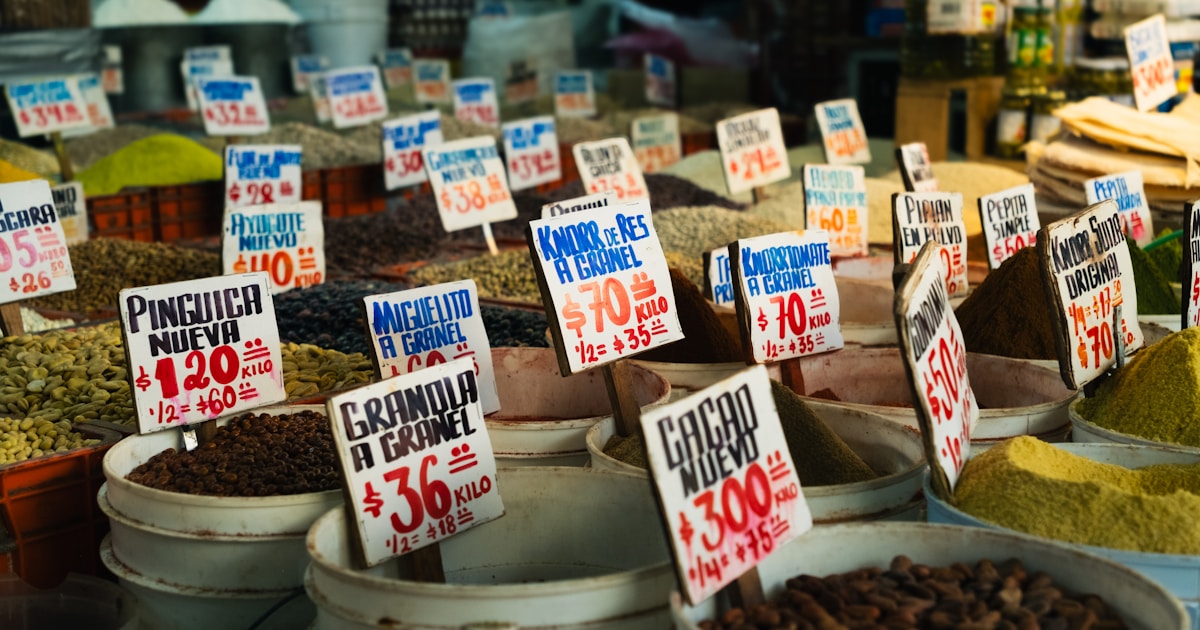
Mexican Spanish differs from the Spanish spoken in Spain in pronunciation, vocabulary, and certain expressions. Mexico does not use the “th” sound for “c” and “z” (that is a Castilian feature), and everyday speech includes words you will not find in a European Spanish textbook - güey (dude), chido (cool), and mande (a polite “pardon?” unique to Mexico). English is common in tourist corridors but limited elsewhere, so these phrases will serve you well from Oaxaca’s markets to Chiapas’ highland villages.
Greetings and Basics
| English | Mexican Spanish | Pronunciation |
|---|---|---|
| Hello | Hola | OH-lah |
| Good morning | Buenos días | BWEH-nohs DEE-ahs |
| Good afternoon | Buenas tardes | BWEH-nahs TAR-dehs |
| Good evening | Buenas noches | BWEH-nahs NOH-chehs |
| Goodbye | Adiós / Hasta luego | ah-dee-OHS / AH-stah LWEH-goh |
| Yes / No | Sí / No | SEE / NOH |
| Please | Por favor | por fah-VOR |
| Thank you | Gracias | GRAH-see-ahs |
| You’re welcome | De nada | deh NAH-dah |
| Excuse me / Pardon? | Disculpe / ¿Mande? | dees-KOOL-peh / MAHN-deh |
| I don’t understand | No entiendo | noh en-tee-EN-doh |
| Do you speak English? | ¿Habla inglés? | AH-blah in-GLEHS |
Note: ¿Mande? is the Mexican way to say “pardon?” or “what did you say?” - used instead of ¿cómo? or ¿qué? which can sound blunt.
Getting Around
| English | Mexican Spanish | Pronunciation |
|---|---|---|
| Where is…? | ¿Dónde está…? | DOHN-deh ehs-TAH |
| How much does it cost? | ¿Cuánto cuesta? | KWAN-toh KWEH-stah |
| Left / Right | Izquierda / Derecha | eez-kee-AIR-dah / deh-REH-chah |
| Straight ahead | Derecho | deh-REH-choh |
| Stop here | Pare aquí | PAH-reh ah-KEE |
| Bus station | Terminal de autobuses | tair-mee-NAL deh ow-toh-BOO-sehs |
| Airport | Aeropuerto | ah-eh-roh-PWAIR-toh |
| Taxi / Uber | Taxi / Uber | TAK-see / OO-ber |
| A ticket, please | Un boleto, por favor | oon boh-LEH-toh, por fah-VOR |
| How far is it? | ¿Qué tan lejos está? | keh tahn LEH-hohs ehs-TAH |
Food and Dining
| English | Mexican Spanish | Pronunciation |
|---|---|---|
| I would like… | Quisiera… | kee-see-AIR-ah |
| Water | Agua | AH-gwah |
| Beer | Cerveza | sair-VEH-sah |
| Coffee | Café | kah-FEH |
| The bill, please | La cuenta, por favor | lah KWEN-tah, por fah-VOR |
| Delicious | Riquísimo | ree-KEE-see-moh |
| Spicy | Picoso | pee-KOH-soh |
| Not spicy | Sin picante | seen pee-KAHN-teh |
| Tacos | Tacos | TAH-kohs |
| No meat | Sin carne | seen KAR-neh |
| A table for two | Mesa para dos | MEH-sah PAH-rah DOHS |
Note: In Mexico, picoso is more commonly used than picante in casual speech when describing spicy food.
Numbers
| Number | Spanish | Pronunciation |
|---|---|---|
| 1 | Uno | OO-noh |
| 2 | Dos | DOHS |
| 3 | Tres | TREHS |
| 4 | Cuatro | KWAH-troh |
| 5 | Cinco | SEEN-koh |
| 6 | Seis | SAYS |
| 7 | Siete | see-EH-teh |
| 8 | Ocho | OH-choh |
| 9 | Nueve | NWEH-veh |
| 10 | Diez | dee-EHS |
Emergency Phrases
| English | Mexican Spanish | Pronunciation |
|---|---|---|
| Help! | ¡Ayuda! | ah-YOO-dah |
| I need a doctor | Necesito un doctor | neh-seh-SEE-toh oon dok-TOR |
| Police | Policía | poh-lee-SEE-ah |
| Hospital | Hospital | ohs-pee-TAL |
| I am lost | Estoy perdido/a | ehs-TOY pair-DEE-doh/dah |
| Call an ambulance | Llame una ambulancia | YAH-meh OO-nah ahm-boo-LAHN-see-ah |
Mexican Spanish pronunciation is straightforward for English speakers. Every vowel has one consistent sound: “a” = ah, “e” = eh, “i” = ee, “o” = oh, “u” = oo. The letter “j” is always an “h” sound (lejos = LEH-hohs), “ll” is a “y” sound (llame = YAH-meh), and “ñ” is “ny” (año = AHN-yoh). The “h” is always silent. Mexicans speak more slowly and clearly than many other Spanish-speaking countries, which makes Mexico an excellent place to practice. Do not be afraid to try - a genuine attempt at Spanish, even imperfect, is always met with patience and encouragement.
Plan your trip: tours across Mexico · eSIM for Mexico · travel insurance.
Related Practical Guides
- First Time in Mexico - complete preparation guide for first-time visitors
- Safety in Mexico - which areas to avoid and how to navigate street situations
- Tipping in Mexico - what to tip at restaurants, hotels, and taxis
- Street Food Guide to Mexico - how to order at markets and taco stands
- Health in Mexico - pharmacies, medical care, and emergency contacts
Ready to Plan Your Trip?
See our itineraries for inspiration:
- 1 Week Mexico - one week covering Mexico City, Oaxaca and the beach
- 10 Days Mexico - ten days from the capital to the Caribbean
- 2 Weeks Mexico - the two-week Mexico circuit
- Budget Mexico Itinerary - a full Mexico trip on a budget