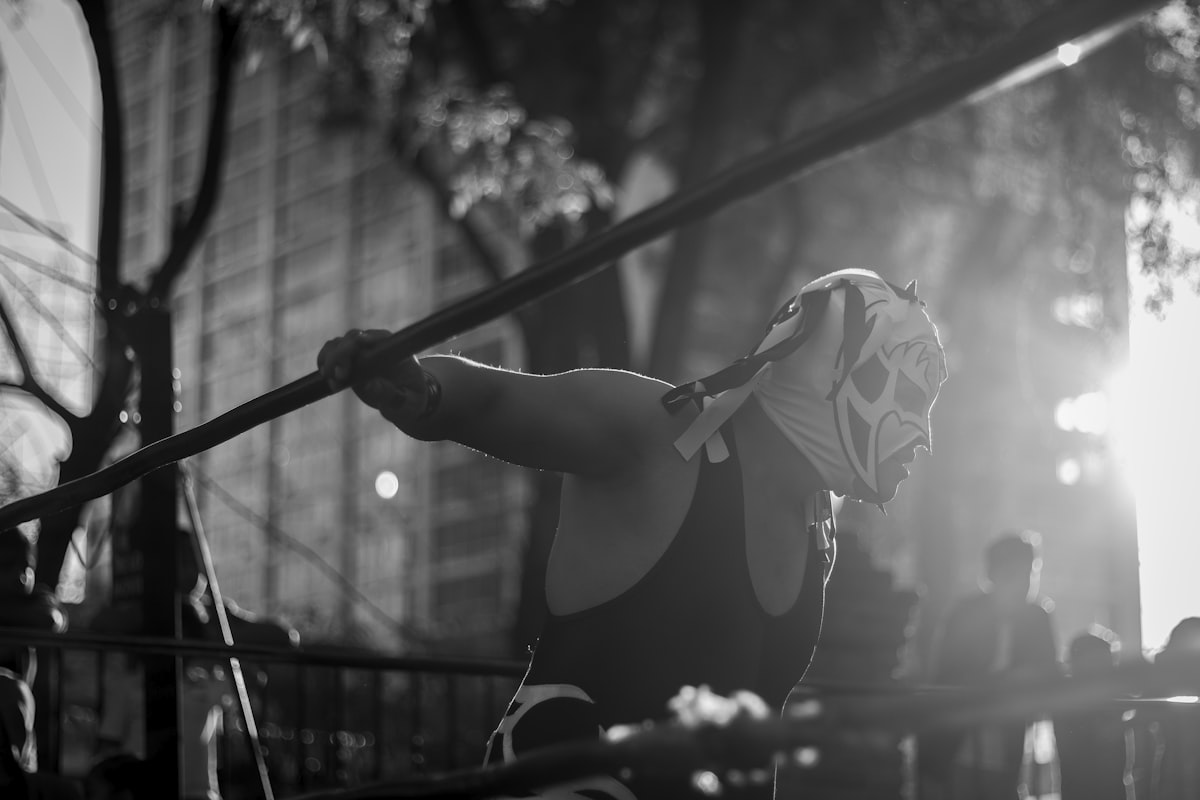
Lucha libre is one of the few things you absolutely cannot replicate anywhere else on earth. The combination of high-flying acrobatics, theatrical storytelling, outrageous costumes, and a roaring local crowd makes a live show one of the most viscerally Mexican experiences on offer in the capital. Whether you catch a regular Friday card at the iconic Arena México or a smaller bill at the older Arena Coliseo, you will leave with the same feeling: you should have done this on day one.
Top Tours at a Glance
Here’s a quick comparison of top-rated lucha libre experiences on GetYourGuide:
| Tour | Duration | Price (from) | Group Size | Highlights |
|---|---|---|---|---|
| Lucha Libre Night + Arena México Ticket | Evening (3–4 hrs) | from $45/person | Group | Reserved ringside seats, guided pre-show tour |
| Lucha Libre + Tepito & Mercado Night Tour | Evening (4 hrs) | from $55/person | Small group | Behind-the-scenes in Arena México, local street food |
| Lucha Libre VIP Ringside Experience | Evening (4 hrs) | from $80/person | Small group | Front-row seats, meet luchadores backstage |
| CDMX Night Tour + Lucha Libre Show | Evening (5 hrs) | from $65/person | Group | Centro Histórico walk + Arena Coliseo fight card |
| Arena México Self-Guided Ticket & Transport | Evening | from $30/person | Self-guided | Includes ticket + Metro directions + seat zone guide |
Browse all lucha libre tours → GetYourGuide
Arena México - The Cathedral of Lucha Libre
Arena México, located in the Doctores neighbourhood of Mexico City, is the spiritual home of Mexican wrestling. The venue seats around 16,500 people and has been staging fights since 1956 under the banner of CMLL (Consejo Mundial de Lucha Libre), the world’s oldest active professional wrestling organisation.
Schedule: The flagship CMLL show runs every Friday night. Doors open at approximately 7:30 pm; the first match starts around 8:30 pm. There are typically six to eight bouts on a card, with the main event finishing between 11 pm and midnight. CMLL also runs Tuesday cards, though these tend to feature developing talent rather than top-tier luchadores.
How to get there: Arena México sits on Calle Dr. Lavista near the intersection with Insurgentes Sur. The closest Metro station is Centro Médico (Line 3, green line) - it is a six-minute walk from the exit. Alternatively, metro Line 9 stops at Chilpancingo, also walkable. Uber and CDMX taxi apps work well; allow fifteen minutes from Roma Norte or Condesa, a little longer from Polanco. Avoid driving - parking in the area is limited and the walk from paid lots adds unnecessary stress.
Ticket tiers and prices (as of 2026):
| Section | MXN (approx.) | What you get |
|---|---|---|
| Gradas (upper bleachers) | MXN 120–200 | The highest rows - steep rake, good for full-ring overview |
| Azul (mid-level) | MXN 280–420 | Comfortable seats with decent sightlines |
| Roja (lower bowl) | MXN 500–650 | Closer action, less vertical distance to the ring |
| Ringside segunda | MXN 700–900 | Close to the ropes, good for photography |
| Ringside primera | MXN 900–1,200 | Closest seats to the mat - wrestlers land right in front of you |
Tickets can be purchased at the Arena México box office on the day (cash preferred, though cards are increasingly accepted), through the CMLL official website, or via platforms like Ticketmaster México. For special marquee events - particularly the annual anniversary show in September, or mask-vs-mask (apuesta) bouts - buy in advance. These sell out.
A practical note: the gradas feel high but the rake is steep enough that views are genuinely fine. Many locals sit in the gradas. If you are visiting with a group and want the energy of the crowd rather than proximity to the ring, the gradas are the value pick.
Arena Coliseo - Old Mexico, Smaller Scale
Three kilometres north of Arena México, in the Centro Histórico neighbourhood, Arena Coliseo has been running lucha libre since 1943. It seats around 4,000 people - compact by comparison, which means no seat is truly far from the action.
CMLL runs Tuesday night shows here, starting around 7:30 pm. Ticket prices range from approximately MXN 100 in the upper gallery to MXN 600 ringside. The venue has a distinctly old-school feel: the décor has barely changed in decades, and the acoustics amplify crowd noise in a way that larger arenas cannot. If you are in Mexico City on a Tuesday and have already seen Arena México, Arena Coliseo offers a different - and arguably more intimate - flavour of the same sport.
Getting there is straightforward: Metro Allende on Line 2 (blue) puts you within five minutes on foot.
What to Expect at a Show
Lucha libre operates on a world of archetypes. Técnicos are the skilled, rule-following good guys; rudos are the heels - cheating, taunting, and working the crowd. The narrative of each match is largely spontaneous, with wrestlers reading the audience and adjusting in real time. Do not worry about understanding the rules in detail; the crowd will tell you who to cheer and who to boo.
Noise and energy: Be prepared for a loud, participatory crowd. Spectators shout advice, hurl insults at rudos, chant for técnicos, and generally treat the show as an interactive event. Feel free to join in.
Masks: The lucha mask - the máscara - is central to the whole tradition. For mid-card luchadores, wearing a mask signals a complete identity: removing it in a losing apuesta match is a career-defining moment. When a luchador descends from the ring into the crowd after winning, you may well find one heading directly toward you with their hand extended. Stand up, shake it, and enjoy the moment.
Duration: A full card lasts roughly three to three-and-a-half hours. You do not have to stay for every match - but the main event is almost always worth the wait.
Food, Drink, and What to Buy
Concession stands inside both arenas sell elotes (corn cups with lime and chili), esquites, hot dogs, chips, and beer. Prices are reasonable - a beer runs approximately MXN 55–70, a corn cup around MXN 35–45 as of 2026. There are no sit-down food options inside.
For a pre-match meal, the streets around Arena México in Doctores host good taqueria options; most are open until 10 pm or later. The food stalls outside the venue sell tortas de tamal and churros from around 7:30 pm onward - a bag of churros from the stall directly on Calle Dr. Lavista is as classic a pre-fight ritual as the fight itself.
Mask stalls cluster around both arena entrances before every show. Prices run from approximately MXN 80 for a simple child-sized synthetic mask up to MXN 350–600 for a higher-quality replica styled after a current CMLL roster member - Místico, Último Guerrero, or La Máscara are among the perennial top sellers. Haggling is accepted; the vendor’s first price is rarely final. Do not buy from sellers who approach you on the metro - quality is significantly lower.
Combining Lucha Libre with a Street Food Tour
Several tours in Mexico City combine a Friday-night lucha libre ticket with a guided street food walk through the Doctores area beforehand. These tours typically begin around 6:30 pm at a pre-agreed meeting point in Roma Norte or Centro, cover two or three street food stops (tacos al pastor, quesadillas, champurrado), then head to the arena for the show, with a local guide to explain what is happening in the ring.
The advantage of booking this way is that you get context - a guide who can explain the storylines, point out the luchadores by name, and translate what the crowd is shouting. If it is your first time, this format makes the experience significantly richer. Look for tours with at least 4.5-star ratings and confirmed English-speaking guides; capacity is usually capped at around twelve people to keep the experience personal.
Who to Watch: Current CMLL Roster Highlights
Knowing a few names before you arrive makes the evening far more engaging. CMLL operates a full roster of around 80 active luchadores; here are the performers most likely to appear on a regular Friday card and worth watching for as of 2026:
- Místico - arguably CMLL’s most technically polished performer and one of the most recognisable names in lucha libre globally. His aerial sequences in the third fall of a six-man tag are reliably spectacular. Técnico.
- Último Guerrero - a veteran rudo and master of crowd manipulation. Has held almost every major CMLL championship. If there is a marquee singles match on the card, he is often in it.
- Volador Jr. - high-flying técnico with a signature back-stabber finish. Popular with first-time audiences because his sequences are easy to follow and genuinely fast.
- Soberano Jr. - one of the younger performers on the main roster with a style built around complex aerial combinations. Typically on mid-card to upper-mid-card matches.
- Stuka Jr. - a técnico known for the torpedo splash from the top rope to the floor. If the dive lands in front of your section, the noise is immediate.
CMLL publishes the full card for each Friday show on its website (CMLL.com) the week of the event. Checking the lineup tells you whether a championship match or apuesta (mask vs. mask, hair vs. hair) is scheduled - those events are worth rearranging an itinerary around.
Key Annual Events: When to Plan Around a Special Show
CMLL’s annual calendar has several events significant enough to determine when you visit Mexico City if you are a fan:
- Gran Premio del CMLL (annually in July): a single-fall elimination tournament featuring the full roster. Unusual format that gives you the chance to see every major luchador in a single night.
- Aniversario del CMLL (September): the most important show of the year. CMLL was founded in 1933; the anniversary show typically includes a main-event championship match or apuesta. Tickets sell out weeks in advance and prices for the best seats rise significantly. If your Mexico City dates fall in September, check the exact date and book early.
- Super Viernes especial events (throughout the year): championship defences, title tournaments, and special masked vs. unmasked matches appear on Friday nights without an official annual label. The CMLL website lists any upcoming special Friday events.
Box office and online booking: Tickets for regular Friday and Tuesday cards are available at the arena box office from approximately 5 pm on the day. For special events, purchase in advance via Ticketmaster México (ticketmaster.com.mx) or directly through CMLL.com. When buying at the arena, cash is preferred; the box office at Arena México accepts cards but the line for walk-up cash buyers moves faster.
Planning Your Night
A few practical points that save headaches:
- Friday is the right night for Arena México. If your trip does not include a Friday, Tuesday at Coliseo is the next best option.
- Arrive before 8 pm. The atmosphere builds quickly and the warm-up bouts are often surprisingly good.
- Bring small bills. The concession stands and mask vendors strongly prefer cash; ATMs near the venue can be busy.
- Dress casually. There is no dress code. Locals wear everything from replica wrestling shirts to office clothes.
- Keep an eye on your belongings on the Metro to and from the arena - the Friday-night post-show crowd on Line 3 is large and the carriages are packed.
For more ideas on spending your time in the capital, our Mexico City things to do guide covers the neighbourhood-by-neighbourhood highlights, and our Mexico City food guide covers where to eat before and after the fights.