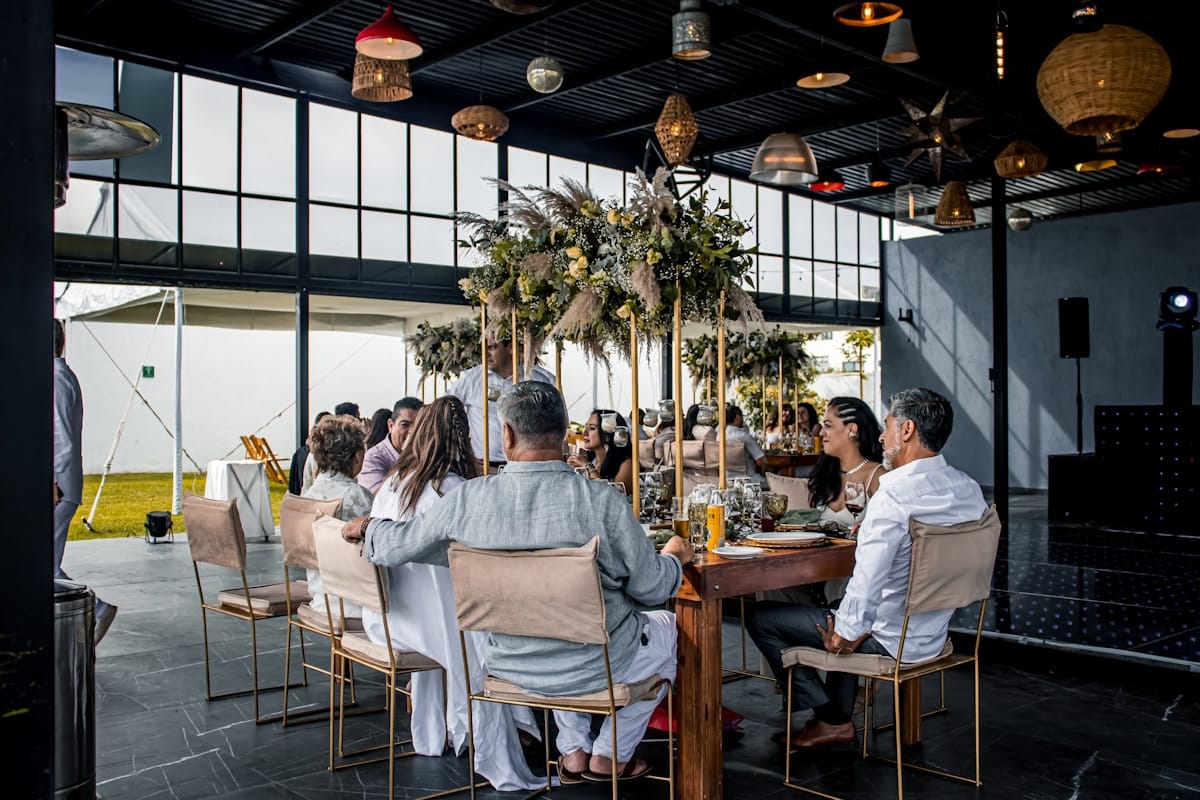
Puebla’s food culture is one of the most distinct in Mexico. The city gave its name to mole poblano, which many culinary historians regard as Mexico’s national dish, and every major culinary tradition in the country has a Pueblan counterpart - often more intense and more layered than versions found elsewhere. The cooking here draws on 16th-century convent traditions, indigenous Nahua techniques, and later Arab-Lebanese immigration that left visible traces in the local pastry culture.
Top Food Experiences at a Glance
| Tour | Duration | Price (from) | Group Size | Highlights |
|---|---|---|---|---|
| Puebla Mole & Street Food Tour | 3 hrs | from $40 | Up to 12 | Mole poblano, cemitas, chile en nogada (seasonal), guide |
| Cooking Class: Poblano Cuisine | 3 hrs | from $65 | Up to 8 | Market visit, mole negro, chiles en nogada, hands-on |
| Puebla Artisan Chocolate Walk | 2 hrs | from $35 | Small group | Barrio del Artista, chocolate factories, mole shops |
| Puebla Market & Breakfast Tour | 2.5 hrs | from $30 | Up to 15 | Mercado La Acocota, fresh juices, traditional breakfast |
Browse all Puebla food experiences → GetYourGuide
The Essential Dishes
Understanding what to order before you sit down saves a lot of time in Puebla.
Mole poblano is a sauce of extraordinary complexity - recipes traditionally include over 20 ingredients including mulato, ancho, and pasilla chillies; Mexican chocolate; almonds, pumpkin seeds, and sesame; cloves, cinnamon, black pepper; plantain; and often dried bread and tortilla for body. The resulting sauce is dark, faintly sweet, and distinctly complex. It is served over turkey (guajolote) or chicken, with rice and tortillas alongside.
Chiles en nogada is the most seasonal of Puebla’s signature dishes and the most visually dramatic. A large poblano pepper is roasted and stuffed with picadillo - minced pork and dried fruit - then covered in cold walnut cream (nogada) and sprinkled with pomegranate seeds and fresh parsley. The colours mirror the Mexican flag. Season runs August to September when fresh walnuts are available.
Cemitas are Puebla’s version of the torta sandwich, but distinct enough to merit their own category. The bread is a sesame-topped roll with a specific density; fillings traditionally include milanesa (breaded cutlet), Oaxacan cheese strings (quesillo), avocado, chipotle, and papalo herb. The papalo - a strong, peppery green specific to the region - is the flavour that distinguishes a cemita from any other sandwich in Mexico.
Chalupas are small oval tortillas fried in lard and topped with green or red salsa, shredded chicken or pork, and onion. They’re strictly a street food and breakfast item, not something you’ll find on restaurant menus.
Pipián sauce - made from ground pumpkin seeds, tomatillo, and green chillies - predates the Spanish conquest and appears in Pueblan cooking as a lighter alternative to mole, typically paired with chicken or vegetables.
Traditional Restaurants
Fonda de Santa Clara is the most historically established traditional restaurant in the city, with the main branch on Calle 3 Poniente near the Zócalo. The mole negro and mole poblano preparations here are authoritative, and the full menu covers the breadth of Pueblan cuisine from chalupas to pipián. Main dishes run approximately MXN 180–380. Expect queues at weekends; the restaurant fills with families from the city as much as tourists.
La Casita Poblana is a smaller, family-run restaurant in the historic centre with a narrower menu focused on the regional classics. The mole negro over turkey and the sopa de fideos (vermicelli soup) are the draws. Mains cost approximately MXN 150–280.
El Mural de los Poblanos occupies a colonial building on Calle 16 de Septiembre with murals depicting Puebla’s history across the dining room walls. This is the place to eat chiles en nogada during the August–September season - the kitchen takes it seriously, using fresh walnut nogada and seasonal picadillo. Outside season, the mole and pipián preparations are the best alternatives. Mains run approximately MXN 350–600.
Fine Dining
Mesón Sacristía de la Compañía operates as both a boutique hotel and a serious restaurant on Calle 6 Sur in the historic centre. The tasting menus draw on classic Pueblan techniques with updated presentations and a strong wine list. Tasting menus run approximately MXN 800–1,200 per person.
Street Food and Markets
Mercado El Alto near the Mercado Hidalgo on Avenida 18 Poniente is the main cemita market. Stalls here have operated for generations and each has its own slight variation in bread density, chipotle ratio, and filling options. A cemita costs approximately MXN 60–90.
Mercado 5 de Mayo serves chalupas in the morning market section from around 7am. A plate of four chalupas with coffee costs approximately MXN 50–80 and constitutes the most authentic Pueblan breakfast available. The market also has stands serving mole negro in a basic comida corrida format from midday for approximately MXN 80–120.
The Sweet Traditions
Puebla’s convent pastry tradition produces a distinctive set of sweets found nowhere else in Mexico.
Camotes - candied sweet potato rolls wrapped in paper and sold from shops along Calle 6 Oriente - are the city’s signature confection. Flavours include cinnamon, lime, vanilla, and coconut. Price approximately MXN 5–10 per piece.
Rompope is an egg-and-cinnamon liqueur created by Augustinian nuns in the 17th century and still sold in convents and throughout the historic centre.
Tortería La Lupita on Calle 7 Poniente is a long-established breakfast stop serving mollete (toasted bread with black bean and cheese) and café de olla. This is where office workers from the centro eat on weekday mornings and the service is fast and familial. Breakfast runs approximately MXN 60–120.
Price Guide
| Level | What to expect | Approximate cost per person |
|---|---|---|
| Street food | Cemitas, chalupas, market stalls | MXN 50–120 |
| Comida corrida | Set lunch at local restaurants | MXN 80–160 |
| Traditional sit-down | Fonda de Santa Clara, La Casita | MXN 180–380 |
| Upscale | El Mural, tasting menu restaurants | MXN 400–1,200 |
All prices are approximate as of 2026.
When to Visit for Food
The August–September window for chiles en nogada is the most important seasonal event in Puebla’s food calendar. If you’re timing a visit for this dish, make reservations at El Mural de los Poblanos or Fonda de Santa Clara as early as possible - demand significantly exceeds capacity during peak season.
Take a Guided Food Tour of Puebla
Puebla’s food geography isn’t immediately obvious from the street - the cemita market is a different location from the chalupa market, and the difference between a good mole negro and a poor one is impossible to judge without reference. A guided food tour in Puebla typically covers Mercado El Alto for cemitas, a morning chalupa vendor in Mercado 5 de Mayo, and a tasting at Fonda de Santa Clara or El Mural, giving you a working framework for the city’s cuisine before exploring independently. During August and September, chiles en nogada season, it’s worth booking a tour specifically oriented around the seasonal dish - guides who know which kitchens are using fresh walnuts versus substitutes will save you a disappointing meal. Browse food tours and cooking experiences in Puebla for current options.
For an introduction to Puebla’s food culture before you dive in independently, a guided food tour in Puebla covers the essential markets, street food stops, and at least one mole tasting in a format that’s hard to replicate on your own first visit.
Plan your trip: food tours in Puebla · travel insurance for Mexico · Mexico eSIM.