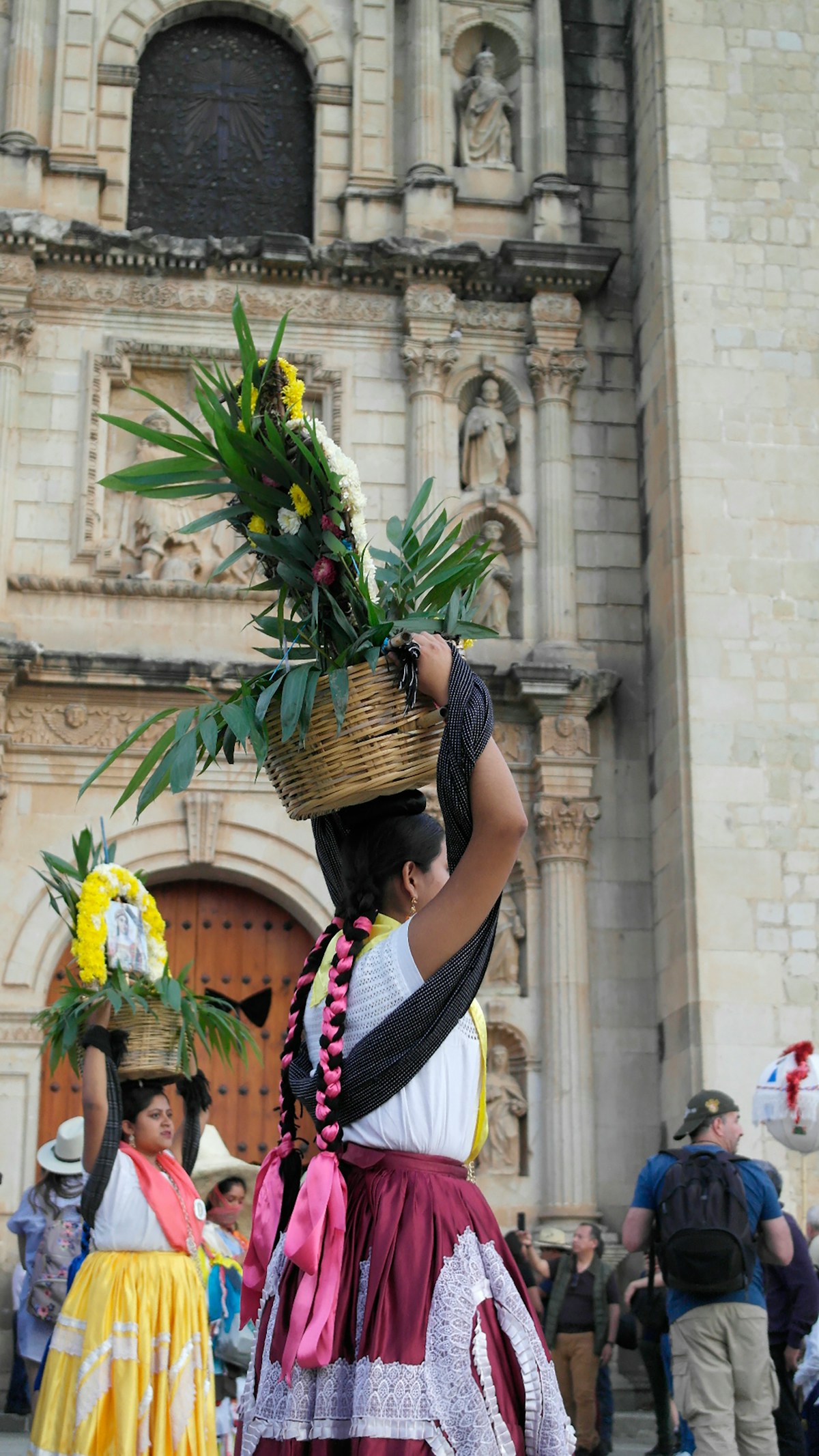
Mexico’s most emotionally charged national holiday is three weeks away. September 15–16 brings El Grito de Independencia — and if you happen to be in the country during that period, the experience is unlike anything else on the Mexican calendar.
What Happens on September 15
The main ceremony takes place at 11 pm on September 15. From the balcony of the National Palace on the Zócalo in Mexico City, the president rings the Campana de la Independencia and delivers the traditional shout — the Grito — naming the heroes of the 1810 uprising while crowds below echo back “¡Viva México!” Fireworks follow immediately, and the square, which can hold hundreds of thousands of people, turns into a giant outdoor celebration.
The same ceremony plays out simultaneously in every state capital and municipal plaza across the country. Guadalajara’s main square, Oaxaca’s Zócalo, the seafront in Veracruz, the central jardín in San Miguel de Allende — every city runs its own version, with local governors and mayors leading the call.
September 16: The Military Parade
The official holiday falls on September 16. In Mexico City, the morning brings the annual military parade through the Zócalo, with flyovers, cavalry, and schoolchildren marching in formation. The parade is free to watch and typically runs from around 10 am, though prime viewing spots on Madero and Juárez fill up well before then.
Most businesses, government offices, and attractions are closed on September 16. Museums occasionally open with reduced hours, so check ahead if you have specific sites planned.
Practical Tips for Travellers
The biggest advice: book accommodation early if you are visiting Mexico City for the September 15 ceremony. Hotels near the Zócalo sell out weeks in advance. The surrounding streets close to vehicles by late afternoon on the 15th, so plan to walk or use the Metro, and expect heavy crowds around Allende and Zócalo stations.
If you are outside the capital, the regional versions can actually be more intimate and easier to enjoy. Cities like Guanajuato, Oaxaca, and Puebla host excellent celebrations where you can get close to the action without the same density of crowds.
September is one of Mexico’s rainier months, particularly in the south and centre. Evening showers around the time of the Grito are common — what to expect in September in Mexico gives a full weather breakdown by region.
For context on Mexico’s broader festival calendar and how Independence Day fits into the annual rhythm, our guide to festivals and events in Mexico is a good starting point.
Getting the Timing Right
The Grito starts at 11 pm sharp. Plan to be in your viewing position by 9:30–10 pm at the latest. The crowds after the fireworks make navigation slow, so having a clear exit route and a meeting point if you are travelling with others is worth thinking through before the evening starts. For the days around Independence Day, Mexico City tours and activities — from Teotihuacán day trips and Frida Kahlo museum visits to historic centre walking tours — are worth booking in advance, as capacity is limited during the long weekend.