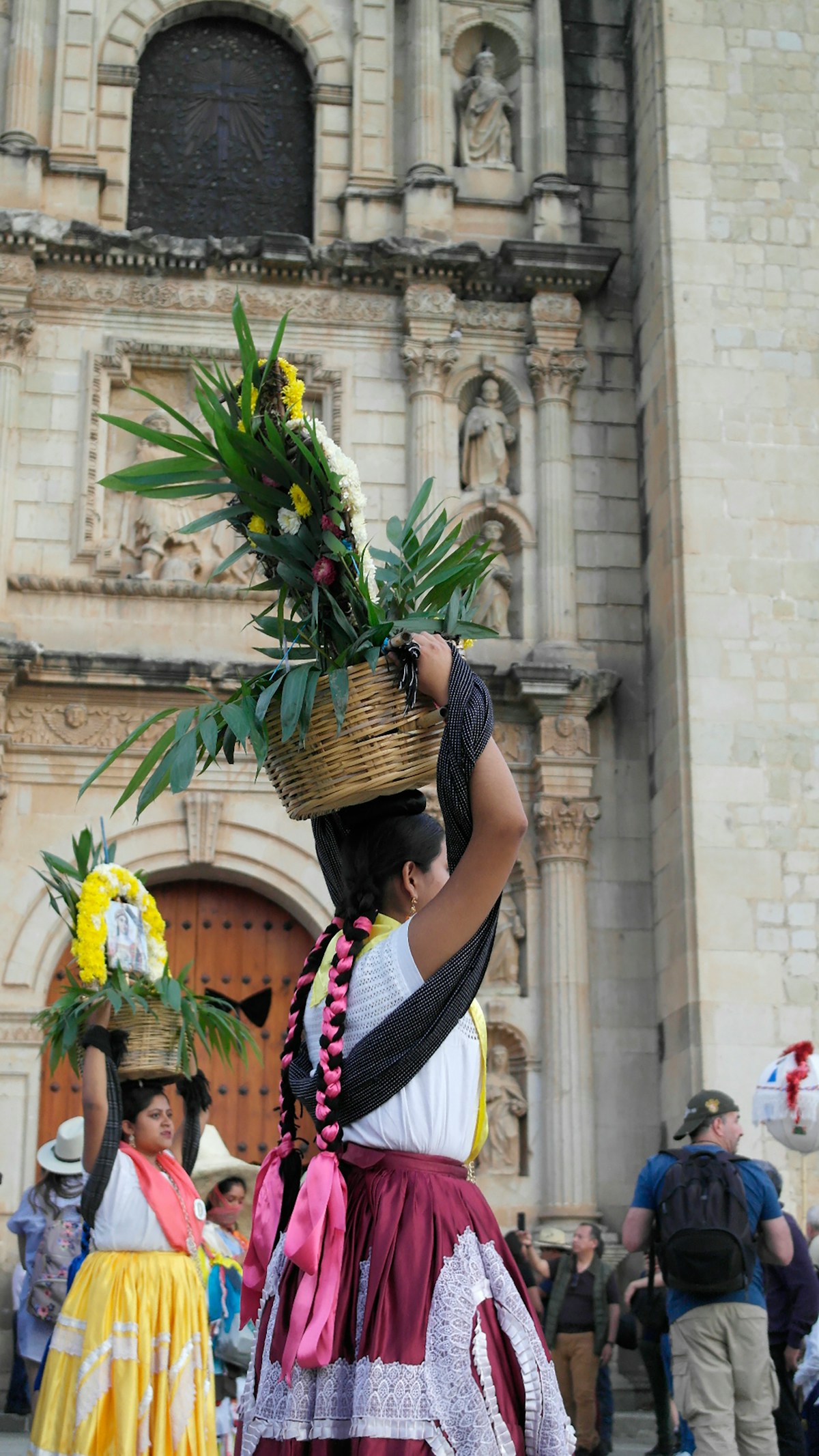
Mexico has one of the richest festival calendars in the world - rooted in pre-Columbian indigenous traditions, Catholic saint’s days brought by Spanish colonisers, and independence-era national commemorations. In many communities, these layers have merged into celebrations that blend Catholic and indigenous elements in ways found nowhere else.
This calendar covers the major national festivals and the most significant regional events, month by month.
Monthly Calendar
January
Día de Reyes (Epiphany) - 6 January Three Kings Day is, in Mexican tradition, the day children receive gifts (rather than Christmas Day). Across the country, families gather for Rosca de Reyes - a ring-shaped sweet bread containing small plastic figurines. Whoever finds the baby Jesus figure in their slice hosts a tamale party on Día de la Candelaria (2 February). Bakeries sell Rosca from late December; bakeries in Mexico City, Oaxaca, and Guadalajara bake enormous versions for communal street celebrations.
Día de la Candelaria - 2 February The conclusion of the Christmas season. In Tlacotalpan, Veracruz, the Candelaria festival includes a bull run through town streets and the floating of flower offerings on the Papaloapan River - one of Mexico’s more unusual regional celebrations.
February–March
Carnaval - Week before Ash Wednesday (dates vary; typically February–March)
Mexico’s Carnival tradition is strongest in Veracruz and Mazatlán.
Veracruz Carnaval is the oldest and largest in Mexico, dating to colonial times. The week before Ash Wednesday brings floats, traditional dancing, masked balls, and a procession down the Malecón. The “Quema del Mal Humor” (Burning of Bad Mood) opens the week - an effigy representing whoever politicians have annoyed most that year is publicly burned. Approximately 500,000 people attend over the week. Accommodation must be booked months in advance.
Mazatlán Carnaval is the second largest, with a similar structure of parades, dancing, and music along the beachfront. Mazatlán’s carnival has a more accessible, less frenetic character than Veracruz and is often recommended as the better introduction for first-timers.
Semana Santa (Holy Week) - Week before Easter The most widely observed religious observance in Mexico. Taxco is famous for its extraordinarily intense Semana Santa processions - hooded penitents (nazarenos) carry heavy timber crosses through the steep cobblestone streets in silent nighttime processions that have continued for centuries. San Cristóbal de las Casas in Chiapas has profound celebrations blending Catholic and indigenous Tzotzil Maya elements. The entire country quiets from Thursday–Sunday, with beaches and resorts filling to capacity.
April–May
Feria Nacional de San Marcos - April–May (Aguascalientes) Mexico’s largest annual fair, running approximately 25 days from late April. Bullfighting, rodeos (charreadas), concerts, cockfighting, and amusement rides in a purpose-built fairground. Approximately 9 million visitors annually. The fair has been held since 1828 and is a genuine portrait of popular Mexican culture.
Día del Trabajo (Labour Day) - 1 May National holiday. Major marches in Mexico City (Paseo de la Reforma and the Zócalo) and a general slow-down. Not a festival to plan around, but worth knowing about for transport and business closures.
Cinco de Mayo - 5 May Commemorates the Battle of Puebla (1862) where Mexican forces defeated the French. Primarily celebrated in Puebla, where the battle took place, with military parades and historical re-enactments. The date is widely misunderstood internationally as Mexican Independence Day - it is not. Puebla is the place to be; elsewhere in Mexico it passes relatively quietly.
June–July
Corpus Christi (Date varies - June) In Papantla, Veracruz, Corpus Christi is celebrated with the Danza de los Voladores (Dance of the Flyers) - four men tied at the ankles to ropes attached to a 30 m pole slowly unwind and descend while a fifth plays flute and drum at the top. This Totonac ritual, recognised by UNESCO, can be seen daily at El Tajín archaeological site and in Papantla town.
Guelaguetza - Last two Mondays of July (Oaxaca)
This is the defining event of Oaxacan cultural life. The word guelaguetza means “cooperative exchange” in Zapotec - a concept embedded in Oaxacan community tradition whereby neighbours give to neighbours without expectation of direct return.
The festival at the Estadio Guelaguetza (amphitheatre on Cerro del Fortín) brings eight indigenous delegations - Cañada, Costa, Istmo, Mixteca, Papaloapan, Sierra Juárez, Sierra Norte, and Valles Centrales - in full traditional dress to perform the dances of their region and share foods and crafts with the audience. Delegations throw gifts into the crowd: mezcal bottles, pine-apple drinks, pieces of warm bread, embroidered items.
Tickets (2026 approximate):
- Palco A/B (best seats, front section): MXN $3,000–3,500
- Palco C (upper section, still covered): MXN $1,500–2,000
- Guelaguetza (general admission, rear): MXN $300–500
- Free performances: in the Zócalo throughout July, no ticket required
Book accommodation 2–3 months ahead for the July festival weeks. The city’s best hotels (Casa Oaxaca, Quinta Real, Camino Real) fill in days of opening.
The same weeks feature additional events: the Festival de la Radish (Noche de Rábanos, December 23, see below) sister celebration, market fairs, mezcal tastings, and musical performances throughout the city.
August–September
Fiestas Patrias - 15–16 September (Independence celebrations)
Mexico’s Independence Day is 16 September, but the most significant moment is the night before - El Grito de Independencia (The Cry of Independence) at 11pm on 15 September. Every town’s main square (zócalo) fills as the president (in Mexico City) or local mayor (everywhere else) re-enacts Miguel Hidalgo’s 1810 call to arms, ringing a bell and shouting “¡Viva México!” to a responding crowd.
Mexico City’s Zócalo hosts the most spectacular version - over 100,000 people, fireworks, and the president appearing on the balcony of the National Palace (the original bell from Hidalgo’s church in Dolores Hidalgo is brought to the palace for the occasion). The square fills from early afternoon; arrive by 8pm to get a good position.
Dolores Hidalgo (Guanajuato) - where Hidalgo actually rang the bell in 1810 - celebrates with particular intensity and a more intimate, historically weighted character.
16 September brings military parades in every state capital.
October–November
Día de Muertos - 1–2 November
The most famous Mexican festival internationally, and genuinely one of the world’s extraordinary cultural experiences. Día de Muertos is not morbid - it is a celebration of the cycle of life that sees the dead return to visit the living on these two nights, welcomed back with their favourite foods, photographs, marigold (cempasúchil) flowers, and candles arranged in elaborate altars (ofrendas).
Oaxaca is the most visited destination for Day of the Dead:
- The Panteón General cemetery fills from dusk on 1 November with families tending marigold-covered graves by candlelight and sharing meals at the graveside
- The Alebrijes Parade (large papier-mâché creatures) moves through the city on 28–29 October
- Calle Bustamante and Calle García Vigil are lined with marigold markets from late October
- The community of Zaachila (30 km south) has a particularly atmospheric village cemetery celebration less crowded than the city
Pátzcuaro (Michoacán) is the other great destination:
- On the night of 1 November, Purépecha families take candle-lit canoes across Lake Pátzcuaro to the island of Janitzio, where the cemetery glows with candlelight visible from the mainland
- The event is one of Mexico’s most photographed - and therefore crowded - but retains genuine meaning for local families
Book Oaxaca and Pátzcuaro accommodation 3–4 months ahead for 31 October–2 November.
November–December
Día de la Revolución - 20 November National holiday commemorating the 1910 Mexican Revolution. Military and civic parades across Mexico. Mexico City’s parade on Paseo de la Reforma is the most elaborate.
Las Posadas - 16–24 December Nine nights of processions re-enacting Mary and Joseph’s search for shelter in Bethlehem. Each evening, a candlelit procession (typically starting at a church) moves through neighbourhood streets to a home hosting the posada, where participants sing traditional songs at the door before being invited in for tamales, ponche (warm fruit punch), and piñata-breaking. The most atmospheric Las Posadas celebrations are in San Miguel de Allende, Oaxaca, and the Centro Histórico of Mexico City. Visitors are generally welcome to observe and often to join local neighbourhood posadas.
Noche de Rábanos - 23 December (Oaxaca) The Night of Radishes - a unique Oaxacan tradition in which artisans carve nativity scenes, indigenous legends, and historical scenes out of enormous radishes (some the size of an arm). Displays fill the Zócalo from afternoon. An extremely specific and genuinely charming event that speaks to Oaxaca’s distinctive creative character.
Navidad and Año Nuevo (Christmas and New Year) 25 December and 31 December are both national holidays. Major beach resorts (Cancún, Los Cabos, Tulum, Puerto Vallarta) fill to capacity. Mexico City’s Zócalo and Paseo de la Reforma host fireworks on New Year’s Eve, and San Miguel de Allende has a famous all-night celebration.
Planning Around Festivals
Peak accommodation periods (book well in advance):
- Semana Santa (Holy Week): 3–4 months ahead, particularly beach resorts
- Guelaguetza (last two Mondays of July): 2–3 months ahead, all Oaxaca
- Día de Muertos (1–2 November): 3–4 months ahead, Oaxaca and Pátzcuaro
- Christmas–New Year: 4–6 months ahead, all major resorts
Transport during national holidays: ADO long-distance buses fill quickly; book online at the ADO website 1–2 weeks ahead. Domestic flights on high-demand routes (CDMX–Oaxaca, CDMX–Cancún) sell out weeks ahead of major holidays and prices roughly double.
Getting tickets for Guelaguetza: Tickets go on sale through the Centro de Espectáculos del Estado de Oaxaca and official outlets from approximately April–May. They sell out quickly. Several tour operators in Oaxaca City bundle Guelaguetza tickets with accommodation.
Plan your trip: tours in Oaxaca · flights to Mexico.
Related City Guides
- Oaxaca City Travel Guide
- Mexico City Travel Guide
- Veracruz Travel Guide
- Pátzcuaro Travel Guide
- Puebla Travel Guide
- Mazatlán Travel Guide
- Cancún Travel Guide
- San Miguel de Allende Travel Guide
Ready to Plan Your Trip?
See our itineraries for inspiration:
- 1 Week Mexico - one week covering Mexico City, Oaxaca and the beach
- 10 Days Mexico - ten days from the capital to the Caribbean
- 2 Weeks Mexico - the two-week Mexico circuit
- Budget Mexico Itinerary - a full Mexico trip on a budget