September is one of the quietest months for international tourism in Mexico and simultaneously one of the most atmospheric. Independence Day celebrations on 15-16 September are the most significant national event of the year, and low-season pricing makes this one of the most affordable months to travel.
The Grito de Independencia: Zócalo Fills with Hundreds of Thousands on the 15th
The Grito de Independencia (Cry of Independence) is performed by the President from the balcony of the Palacio Nacional in Mexico City’s Zócalo at 11 pm on 15 September, repeated by state governors in their capital cities simultaneously. Massive crowds gather with Mexican flags, face paint, and traditional food. The celebrations continue through 16 September with military parades and civic events.
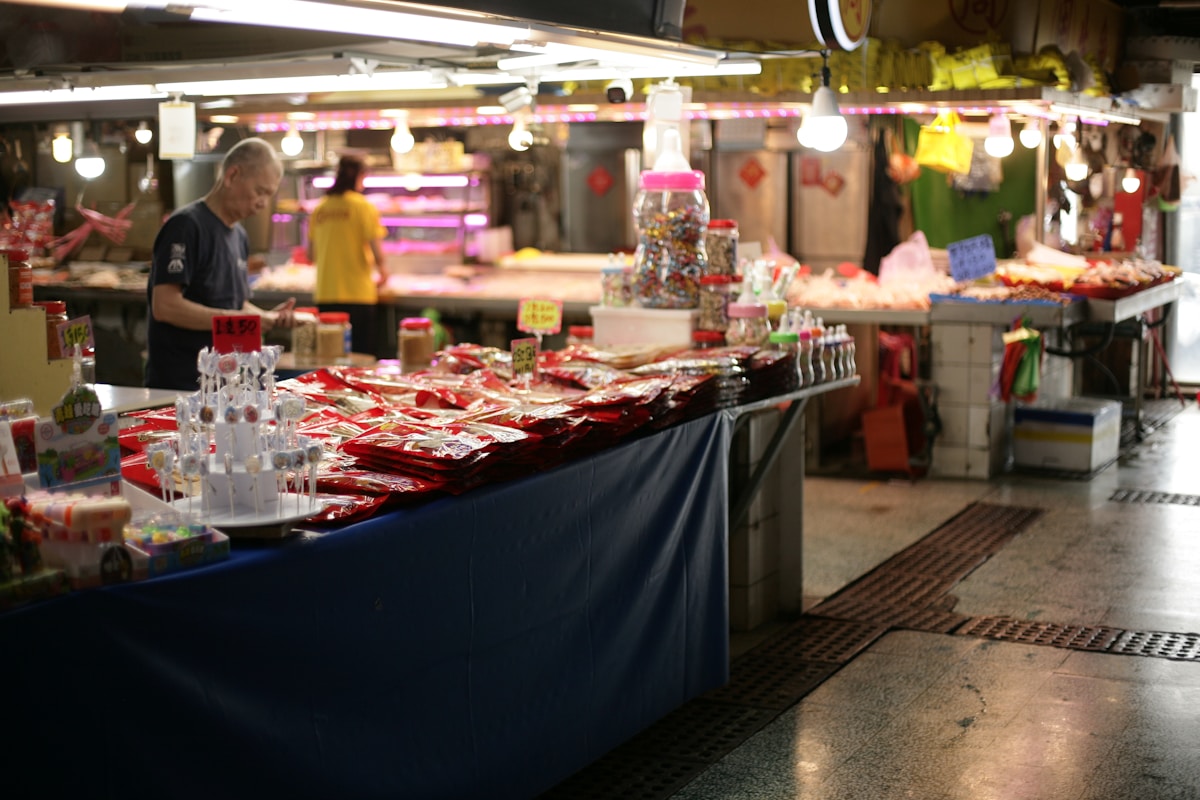
Mexico City on the night of 15 September: the Zócalo holds hundreds of thousands of people. The atmosphere is electric - fireworks, mariachi, street food vendors, and genuine patriotic pride. Book a hotel as close to the centre as possible.
Beyond the capital: every Mexican town has its own Grito ceremony in the main plaza. Smaller cities like Guanajuato, San Miguel de Allende, and Dolores Hidalgo (the actual birthplace of the independence movement) have especially atmospheric celebrations. Dolores Hidalgo re-enacts Father Hidalgo’s original 1810 Grito from the parish church balcony.
Mexico’s Lowest Prices and Fewest Tourists of the Year
September has the fewest international tourists of any month. Accommodation prices are at or near annual lows on the Caribbean coast. Some beach hotels in the Riviera Maya reduce services or partially close.
Where September works well: Mexico City, Oaxaca, Guadalajara, the colonial cities, and the highlands are at their greenest and most atmospheric. The landscape is lush from months of rain, waterfalls are at full volume, and the light has a soft quality that photographers appreciate.
Puebla’s Chiles en Nogada at Their Peak: Fresh Walnuts and Pomegranate in Season
September is the heart of chiles en nogada season (mid-August through late September). Puebla is the spiritual home of the dish - dozens of restaurants compete for the best version. Mexico City restaurants also feature it heavily. The dish uses seasonal ingredients (fresh walnuts, pomegranate) and represents the flag colours, making it especially popular around Independence Day.
Bioluminescent Bays Peak: Holbox Lagoon and Puerto Escondido’s Manialtepec
September-November is the best period for bioluminescent plankton in the waters near Holbox, Bacalar, and Laguna de Manialtepec (Puerto Escondido). Dark skies (new moon period) give the best effect. The Puerto Escondido lagoon tours specifically are excellent in September - warm water temperatures and plankton concentrations produce strong bioluminescent displays.
Caribbean Coast at Peak Hurricane Risk While Oaxaca Reaches Its Greenest
| City | Avg High °C | Avg Low °C | Rainfall mm | Humidity | Crowd Level | Best For |
|---|---|---|---|---|---|---|
| Mexico City | 21 | 13 | ~120 | High | Very Low | Independence Day (15–16 Sep); best green season prices |
| Cancún | 32 | 24 | ~225 | Very High | Very Low | Peak hurricane risk - refundable bookings only |
| Oaxaca | 25 | 15 | ~125 | High | Very Low | Lush landscape; chiles en nogada in restaurants |
| Puerto Vallarta | 32 | 23 | ~340 | Very High | Very Low | Wettest month on Pacific coast; mornings only |
| Los Cabos | 35 | 24 | ~40 | High | Very Low | Occasional tropical storm risk but drier than mainland |
| Guadalajara | 26 | 16 | ~130 | High | Very Low | Lowest prices of the year; mariachi festival |
| San Miguel de Allende | 26 | 14 | ~90 | High | Very Low | Independence Day atmosphere; exceptional value |
| Tulum | 32 | 23 | ~200 | Very High | Very Low | Deepest low season; book refundable - storm risk |
Regional variation note: September is Mexico’s wettest month overall. Cancún (sea level, Caribbean) records approximately 225 mm - its highest of the year - combined with peak hurricane risk. Mexico City (2,240 m) receives around 120 mm with daily afternoon rain but stays cool at 18–22°C and is unaffected by hurricane risk. Oaxaca (1,550 m) receives approximately 125 mm and remains pleasantly cool. Puerto Vallarta on the Pacific peaks at around 340 mm - its wettest month by far. Los Cabos is significantly drier at approximately 40 mm, though occasional Pacific tropical storms can affect Baja in September. San Miguel de Allende (1,900 m) averages around 90 mm with its altitude keeping temperatures in the mid-20s. Tulum and Cancún share similar Caribbean coast conditions - 200+ mm, high humidity, and genuine storm risk. The altitude difference between highland cities and the coasts provides both a temperature and a safety advantage in September. Read our hurricane season guide and buy travel insurance before booking.
Caribbean coast: highest hurricane risk of the year. Average temperature 32-34°C with frequent rain. Travel insurance is non-negotiable. Check forecasts regularly. Book Oaxaca City tours for the green-season highlands.
Pacific coast: still rainy season but the Pacific side has fewer extreme weather events than the Caribbean. Puerto Escondido surf remains powerful.
Mexico City: green, lush, daily afternoon rain, cool nights (12-16°C). Pleasant for urban exploration if you plan mornings outdoors and afternoons in museums, markets, or restaurants.
Oaxaca: September is the wettest month in the Oaxaca valley. The surrounding hills are vividly green - the landscape is at its most photogenic even if the rain is more frequent.
Four Non-Negotiable Steps for Any Caribbean Coast September Booking
Caribbean coast September bookings require:
- Hurricane-inclusive travel insurance (check the fine print on “known storm” exclusions - some policies won’t cover storms that are already named at the time of booking)
- Fully refundable hotel rates
- Flexible return flights if possible
- A backup itinerary focused on inland destinations that can be activated at short notice
Cenote Water Levels at Their Highest - Clarity Lowest in Open Cenotes
Cenote water levels are at their highest in September after months of rain. Some cenotes that have shallow sections in the dry season become fully swimmable. Water clarity is at its lowest point of the year in open cenotes, but underground cenotes (like Cenote Suytun near Valladolid) maintain better visibility year-round.
Plan your trip: tours across Mexico · flights to Mexico · travel insurance.
Related City Guides
Plan Your Trip
Build the trip around September 15: the Grito de Independencia ceremony in Mexico City’s Zócalo draws hundreds of thousands, and Guanajuato - birthplace of the independence movement - celebrates with particular intensity around the Jardín de la Unión and Teatro Juárez. Book both cities at least a month in advance for September 14–16. The rest of the month is deep low season with exceptional hotel deals across the country. Bioluminescent nights in the Holbox lagoons are most vivid in warm, calm September - add a night or two at the end of the trip.
You may also find these useful: Mexico Weather in October and Mexico Weather in November.
Recent update from our news desk: Mexico Independence Day: What to Expect on September 15–16.
- 10 Days Mexico - CDMX and Guanajuato combination
- Mexico City to Oaxaca - highland circuit
- Budget Mexico Itinerary