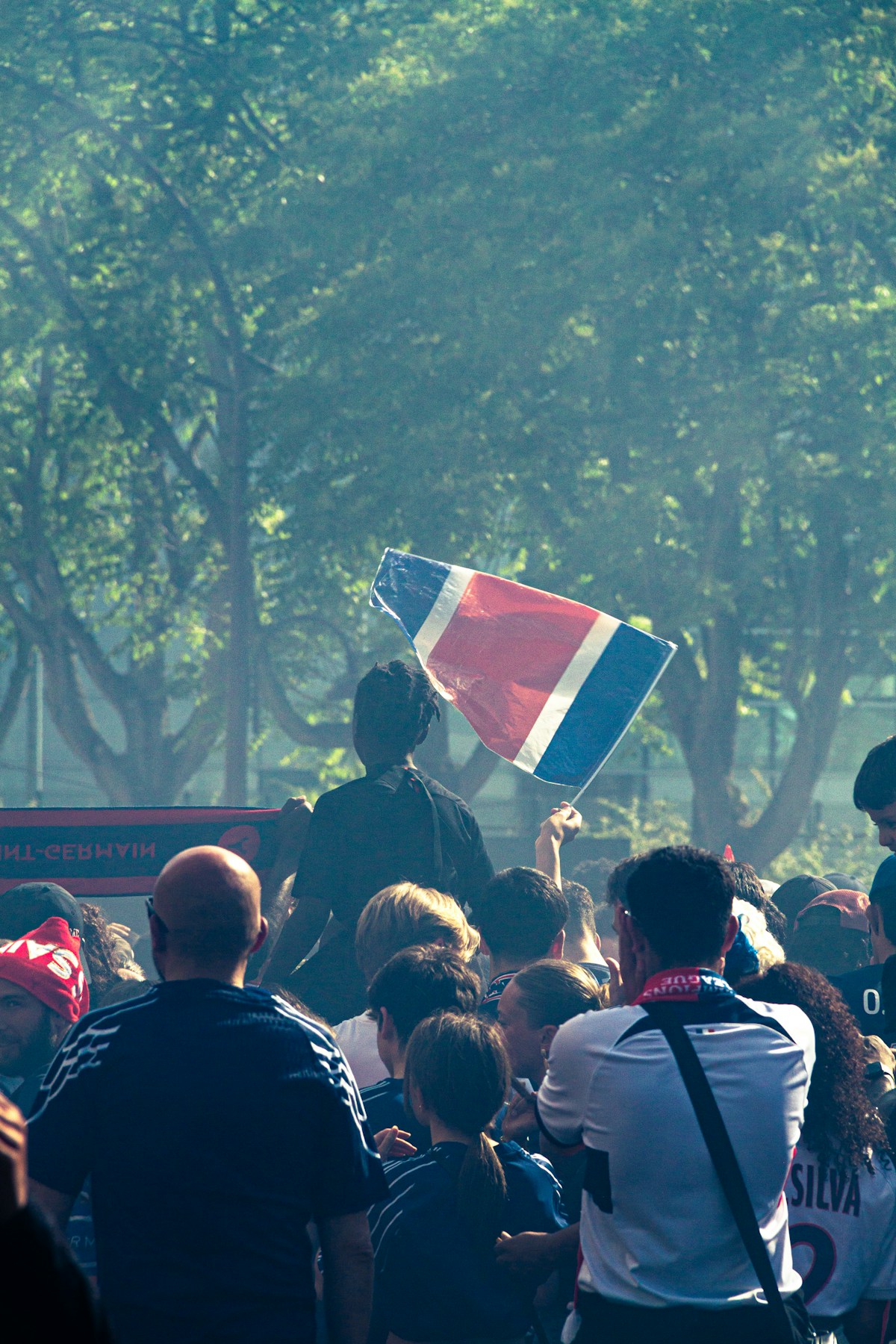
Mexico co-hosts the 2026 FIFA World Cup alongside the United States and Canada, staging 13 of the tournament’s 104 matches across three cities: Mexico City (Estadio Azteca), Guadalajara (Estadio Akron), and Monterrey (Estadio BBVA). The tournament runs from 11 June to 19 July 2026.
This guide covers everything you need to plan a trip around the matches - from tickets and fan zones to getting between cities and where to stay.
Mexico’s Host Cities at a Glance
| City | Stadium | Capacity | Matches | Stages |
|---|---|---|---|---|
| Mexico City | Estadio Azteca | ~87,523 | 5 | Group + Round of 32 + Round of 16 |
| Guadalajara | Estadio Akron | ~49,850 | 4 | Group stage only |
| Monterrey | Estadio BBVA | ~53,460 | 4 | Group + Round of 32 |
Mexico City hosts the opening match of the entire tournament on June 11 - Mexico vs South Africa at Estadio Azteca - making it the first stadium in history to host three World Cup opening fixtures.
Full Match Schedule - Mexico
Mexico City (Estadio Azteca)
| Date | Match | Stage |
|---|---|---|
| 11 June | Mexico vs South Africa | Group A (Opening Match) |
| ~17 June | Uzbekistan vs Colombia | Group K |
| 24 June | Czechia vs Mexico | Group A |
| Late June | Round of 32 | Knockout |
| Early July | Round of 16 | Knockout |
Guadalajara (Estadio Akron)
| Date | Match | Stage |
|---|---|---|
| 11 June | South Korea vs Czechia | Group A |
| 18 June | Mexico vs South Korea | Group A |
| 23 June | Colombia vs Congo DR | Group E |
| 26 June | Uruguay vs Spain | Group I |
Monterrey (Estadio BBVA)
| Date | Match | Stage |
|---|---|---|
| 14 June | Sweden vs Tunisia | Group F |
| 20 June | Tunisia vs Japan | Group F |
| 24 June | South Africa vs South Korea | Group A |
| 29 June | Group F Winner vs Group C Runner-up | Round of 32 |
All dates and kick-off times are subject to change - verify at fifa.com/en/tournaments/mens/worldcup/canadamexicousa2026/scores-fixtures.
Tickets
All match tickets must be purchased through the official FIFA ticketing platform at fifa.com. There is no authorised secondary market. Buying from third-party sellers carries significant fraud risk - counterfeit tickets are well-documented at major tournaments, and resale is explicitly illegal in Mexico.
If you arrive without a ticket, the fan festival sites in each city are a genuine alternative - match day atmosphere is strong, entry is free, and no ticket is required.
Ticket price tiers vary by match and seat category. Mexico’s group stage matches sold out rapidly after general sale opened. Knockout-round tickets become available as the bracket fills - follow the FIFA ticketing site for availability alerts.
Fan Festivals
Each host city runs an official FIFA Fan Festival for the full 39-day tournament period, June 11 to July 19. Entry is free; no ticket or registration required for general areas.
| City | Location | Notable Features |
|---|---|---|
| Mexico City | Zócalo (Plaza de la Constitución) | Live broadcasts, music, cultural programming across all 16 boroughs |
| Guadalajara | Plaza Liberación (between the Cathedral and Teatro Degollado) | Free entry; additional sites at Parque Rojo and Plaza Las Américas, Zapopan |
| Monterrey | Parque Fundidora | Free general entry; paid VIP zone from approx. MXN 800–1,900 for concerts/events |
Travelling Between Host Cities
If you are attending matches in more than one city, flying is the practical choice. All three routes are direct and under 1.5 hours in the air - but book well ahead, as demand is high across the tournament window.
| Route | Flight time | Approximate fare (booked ahead, as of 2026) | Bus time |
|---|---|---|---|
| Mexico City → Guadalajara | ~1 hour | From MXN 600 | 5–6 hours |
| Mexico City → Monterrey | ~1.5 hours | From MXN 700 | 10–11 hours |
| Guadalajara → Monterrey | ~1.5 hours | From MXN 600 | 7–8 hours |
Main carriers: Aeroméxico, Volaris, VivaAerobus, Interjet. Volaris launched additional routes to all three host cities ahead of the tournament. Book directly through airline websites for best prices and flexible cancellation policies.
Long-distance buses (ETN, Primera Plus, Omnibus de Mexico) are comfortable and reliable for the shorter routes, but impractical for tight match schedules.
Entry Requirements and Visas
Mexico does not require a visa for stays up to 180 days for most nationalities including the US, EU, UK, Canada, and Australia. The DNR tourist permit (formerly FMM) is issued on arrival at a cost of approximately MXN 983 as of 2026; many airlines include this in the ticket price - check your confirmation before travel.
No additional entry requirements have been introduced for the World Cup. There is no dedicated World Cup fan ID card system required for Mexico matches, unlike some previous tournaments - a valid ticket and passport are sufficient for stadium entry.
Passport validity requirements vary by nationality - most countries require at least six months’ validity beyond your planned departure date. Confirm the current requirements with your government’s travel advisory service before booking.
Getting Around Host Cities
Mexico City: Use the Metro (MXN 5 per ride) and Metrobús for most journeys. For Estadio Azteca, take Metro Line 2 to Tasqueña then the Tren Ligero. Uber is widely available. Avoid street-flagged taxis - use Uber or hotel-dispatched radio taxis only.
Guadalajara: No direct metro line to Estadio Akron. Uber is the practical standard for stadium transport. The Macrobús BRT covers the main tourist corridors but not the stadium itself. Uber from the historic centre costs approximately MXN 150–250 as of 2026.
Monterrey: Metro Lines 1 and 2 provide partial coverage - use metro plus Uber for the final stretch to the stadium. Uber from central hotels costs approximately MXN 120–200 as of 2026.
Money and Costs
Mexico uses the Mexican peso (MXN). Card payments (Visa, Mastercard) are widely accepted in hotels, restaurants, and stadium concessions. ATMs are plentiful in tourist areas. Carry some cash for street food, transport, and smaller vendors.
Estimated daily budget (as of 2026):
- Budget traveller (hostel, street food, public transport): MXN 600–1,000/day
- Mid-range (mid-range hotel, sit-down meals, Uber): MXN 1,800–3,000/day
- Comfort (hotel 3–4 star, restaurant dining, private transfers): MXN 4,000–7,000+/day
World Cup pricing inflation is real - hotel rates near stadiums on match days can double or triple standard rates. Booking early with free cancellation is the safest approach for accommodation.
Safety Overview
The three host city states - CDMX (Mexico City), Jalisco, and Nuevo León - are among Mexico’s safer states for international tourism. Current U.S. State Department advisories as of 2026:
- Mexico City (CDMX): Level 2 - Exercise Increased Caution
- Jalisco (Guadalajara): Level 3 - Exercise Increased Caution
- Nuevo León (Monterrey): Level 2 - Exercise Increased Caution
The Level 3 for Jalisco reflects activity in specific non-tourist areas; the historic centre and Zapopan tourist corridor are the standard visitor zones and are actively policed during the tournament.
Key safety rules for the World Cup period:
- Use Uber or hotel-arranged taxis only - never flag street cabs
- Keep your passport photocopy separate from the original
- Use ATMs inside banks or hotels rather than standalone street machines
- Register your travel with your country’s embassy notification service
- Keep phone in a front pocket or money belt in crowds
For detailed safety information by region, see our Mexico safety guide.
Plan your trip: flights to Mexico · travel insurance.
Detailed City Guides
For stadium transport, local hotel recommendations, and match-day tips for each host city:
- FIFA World Cup 2026 - Mexico City (Estadio Azteca)
- FIFA World Cup 2026 - Guadalajara (Estadio Akron)
- FIFA World Cup 2026 - Monterrey (Estadio BBVA)
Ready to Plan Your Trip?
See our itineraries for inspiration:
- 1 Week Mexico - one week covering Mexico City, Oaxaca and the beach
- 10 Days Mexico - ten days from the capital to the Caribbean
- 2 Weeks Mexico - the two-week Mexico circuit
- Budget Mexico Itinerary - a full Mexico trip on a budget