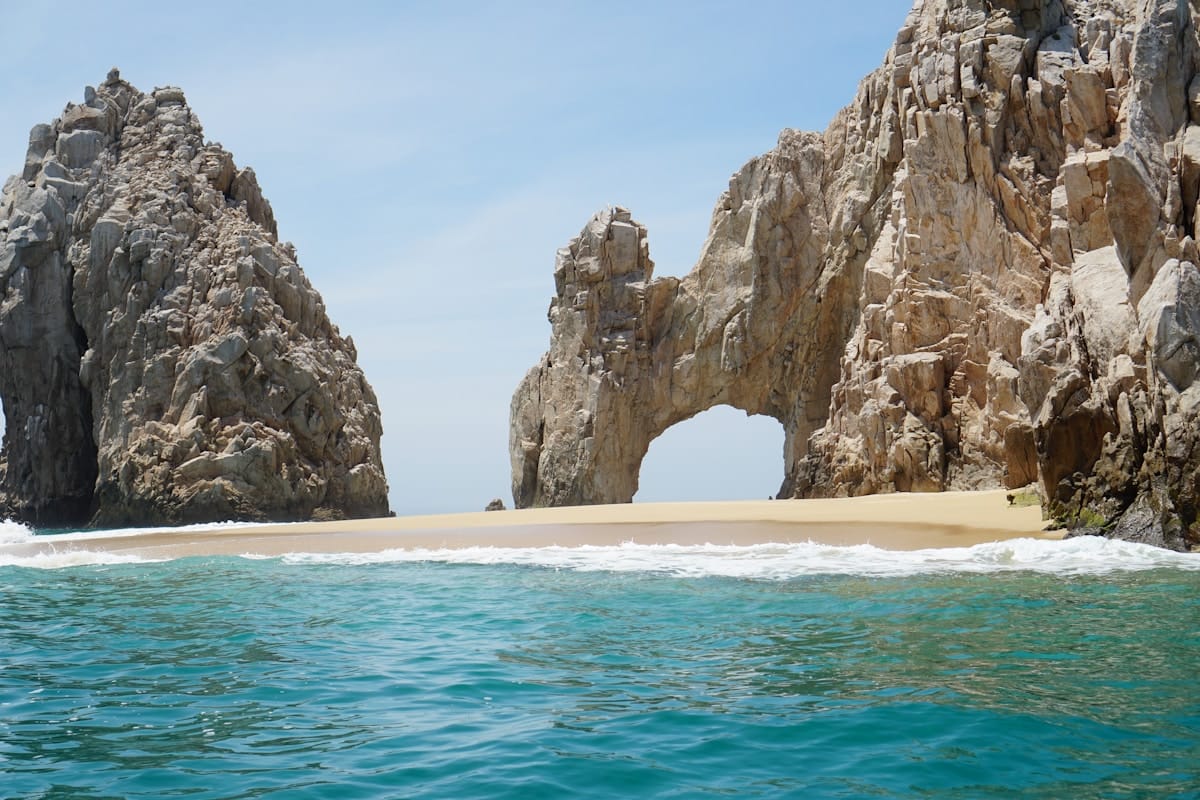
Los Cabos sits at the confluence of the Pacific Ocean and the Sea of Cortez - two bodies of water with completely different character. The Pacific side (west) has rough surf and dramatic beaches; the Sea of Cortez side (east) has calm, clear water with exceptional marine life. This meeting shapes most of the best activities in the area.
Top Tours at a Glance
| Tour | Duration | Price (from) | Group Size | Highlights |
|---|---|---|---|---|
| El Arco & Land’s End Snorkel Tour | 2.5 hrs | from $45 | Up to 20 | Sea arch, sea lions, snorkelling |
| Whale Watching Tour (Dec–Mar) | 2.5 hrs | from $55 | Small group | Humpback whales, marine biologist guide |
| Sport Fishing Charter – Half Day | 4 hrs | from $90 | Up to 4 | Marlin, dorado, open bar, equipment |
| Cabo Pulmo Dive & Snorkel Day Trip | Full day | from $110 | Small group | Marine park, coral reef, transport included |
| ATV Desert Adventure | 3 hrs | from $80 | Small group | Sonoran Desert canyons, Pacific views |
Browse all Los Cabos tours → GetYourGuide
Activity overview
| Activity | Cost | Season | Duration |
|---|---|---|---|
| El Arco water taxi | ~MXN $200–300/person | Year-round | 30–45 min |
| Glass-bottom boat tour | ~MXN $300–500/person | Year-round | 1–1.5 hours |
| Sport fishing charter | From ~USD $250/boat (half day) | Year-round (peak Apr–Nov) | Half/full day |
| Whale watching | ~USD $50–80/person | Dec–Mar | 2–3 hours |
| Whale shark swim | ~USD $100–150/person | Oct–Feb | Full day (near La Paz) |
| Cabo Pulmo snorkelling | ~USD $100–150/person | Year-round | Full day |
| Art Walk (San José) | Free | Thu evenings, Nov–Jun | 2–3 hours |
| Costa Azul surfing | Board rental ~MXN $200/hr | Year-round | - |
All prices approximate, as of 2026.
El Arco and Land’s End
The granite rock arch at the southern tip of the Baja Peninsula - where the Pacific meets the Sea of Cortez - is the defining image of Los Cabos. Water taxis from the Cabo San Lucas marina reach Playa del Amor (Lover’s Beach) directly below the arch (approximately MXN $200–300 return, negotiate at the pier). The beach has a Pacific-facing side (rough water, no swimming) and a Sea of Cortez side (calm, swimmable).
Glass-bottom boat tours (approximately MXN $300–500) show the underwater rock formations, sea fans, and fish below the arch. Sea lion colonies live on the rocks at Land’s End and are visible (and audible) from the water.
The water around the arch itself has strong currents - swimming is at the beach, not around the rocks.
Whale watching (December–March)
Both Cabo San Lucas and San José del Cabo have operators running half-day whale watching tours during humpback whale season. The whales come to the waters around the cape to breed and give birth. Tours depart from the marina (approximately USD $50–80 per person, 2–3 hours). Mother-calf pairs are commonly sighted. Cabo Adventures and Baja Outback are established operators.
Whale shark swimming (October–February)
The whale shark experience is primarily based around La Paz (3 hours north), but Los Cabos operators offer full-day packages including transport, boat, snorkel gear, and guide (approximately USD $100–150 per person). The swim is in the Sea of Cortez near La Paz - you snorkel alongside the world’s largest fish (7–12 m) in clear, shallow water.
Sport fishing
Los Cabos is one of the world’s most famous sport fishing destinations. The offshore waters have the highest concentrations of striped marlin, blue marlin, dorado (mahi-mahi), yellowfin tuna, and sailfish on the Pacific coast of the Americas.
Charter boats range from basic pangas (small open boats, approximately USD $250/half day, 2–3 anglers) to luxury sportfishers (approximately USD $800–1,500/day, 4–6 anglers). The marina has dozens of operators - compare prices and reviews. Pisces Sportfishing and Solmar Fleet are long-established. Season is year-round, with peak marlin fishing April–November.
San José del Cabo art walk
The Thursday evening art walk (5–9 pm, November–June season) opens approximately 15 galleries in the historic district simultaneously. The cobblestone streets around the mission church and the art district are at their liveliest - gallerists pour wine, music plays, and the atmosphere is festive but not rowdy. Free and self-guided. Worth building a Thursday into your itinerary specifically for this.
Beaches and snorkelling
Playa Santa María (Corridor, km 12) - a protected cove with calm water and good snorkelling directly from shore. Coral, tropical fish, and occasional rays. No facilities - bring your own gear and water. One of the few safe swimming beaches on the Corridor.
Playa Chileno (Corridor, km 14) - another calm bay with reef snorkelling. Public facilities (restrooms, showers), a lifeguard, and equipment rental (approximately MXN $150 for snorkel gear). The most accessible Corridor beach for families.
Costa Azul (near San José, km 29) - the most consistent surf break in Los Cabos. Right-hand point break suitable for intermediate to advanced surfers. Board rental from shops at the beach (approximately MXN $200/hour). Costa Azul Surf Shop offers lessons.
Playa El Médano (Cabo San Lucas) - the main party beach. Calm, sheltered water, beach clubs (Mango Deck, The Office), parasailing, jet skis, and a loud atmosphere. Not for those seeking tranquility.
Cabo Pulmo National Park
80 km north on the Sea of Cortez coast. One of the most pristine coral reefs in the Eastern Pacific - a marine park where fishing has been banned since 1995, resulting in a dramatic recovery of fish populations. Schools of thousands of jacks, large groupers, sea turtles, and occasional bull sharks. The snorkelling is exceptional (from shore, approximately USD $5 park fee); diving is even better (operators from Los Cabos run full-day trips, approximately USD $100–150 per person including transport and 2-tank dive). Worth the day trip for anyone interested in marine life.
Desert activities
The surrounding landscape is Sonoran Desert - dramatically different from the ocean. ATV tours run into the desert canyons behind the resort strip (approximately USD $80–120/person, 2–3 hours). Camel rides are available at several ranches (approximately USD $60–80). The cactus sanctuary near San José introduces the range of Baja cactus species. The contrast of desert and ocean is part of the Los Cabos visual identity.
Practical tips
- Two towns: Cabo San Lucas = party, marina, nightlife. San José del Cabo = quiet, art, food. The Corridor = resorts. Choose your base accordingly.
- Transport: Taxis between the two towns approximately MXN $400–600. Uber is available. Renting a car gives the most flexibility for Corridor beaches and Cabo Pulmo.
- Swimming safety: Most Corridor beaches have strong currents. Only swim at Santa María, Chileno, and El Médano. The Pacific beaches (west of the arch) are rough.
More Los Cabos Guides
Plan your trip: tours in Los Cabos · travel insurance.
See Also
- Whale Watching in Baja California - grey whale lagoons and humpback watching off Los Cabos
- Todos Santos Travel Guide - the art town 80 km north with a completely different character from the resort strip
- La Paz Travel Guide - 160 km north, Baja’s most liveable city with whale sharks, sea lions, and open-water diving
- Pacific Coast Beaches - how the Corridor beaches compare with the rest of Mexico’s Pacific coast
Search hotels in Los Cabos on Booking.com
- Tulum vs Los Cabos - Caribbean vs Pacific: which Mexican beach resort fits your trip