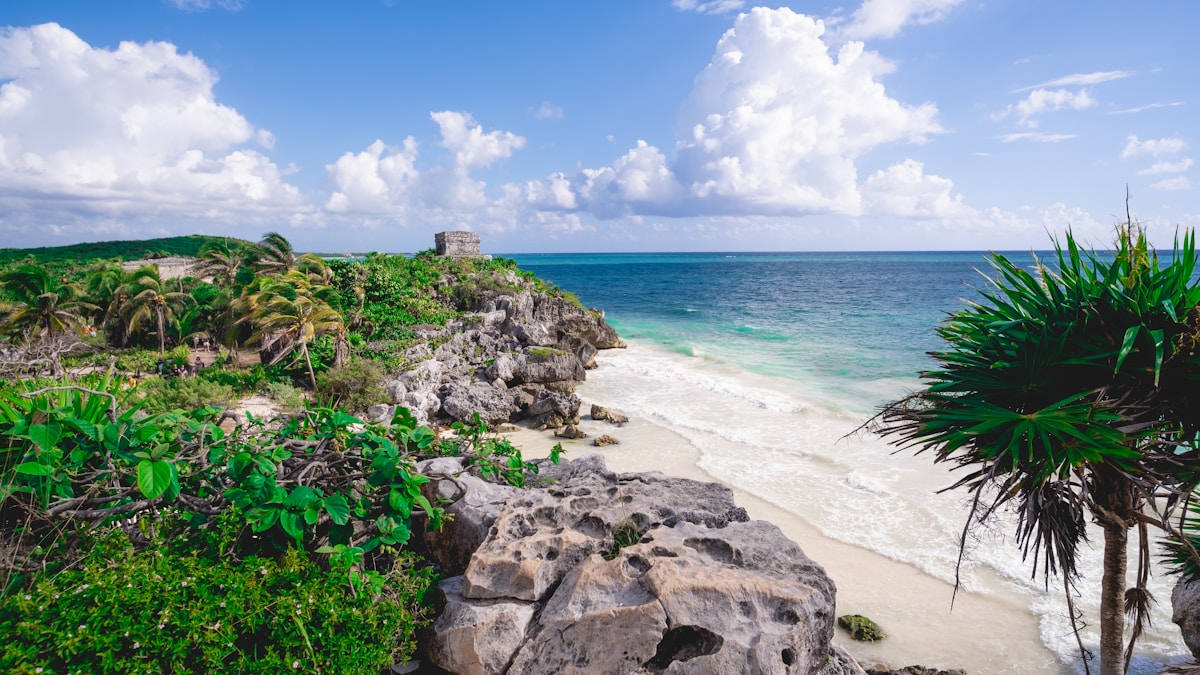
Tulum and Los Cabos have become Mexico’s two most aspirational beach resort destinations - both photographed heavily, both positioned at the premium end, both drawing visitors who want something beyond the standard all-inclusive. But they deliver radically different experiences. Tulum is Caribbean jungle, cenotes, Maya ruins, and bohemian beach clubs. Cabo is Pacific desert, dramatic rock formations, world-class sport fishing, and a significant luxury hotel corridor. Here’s how they compare.
Quick Verdict
| Tulum | Los Cabos | |
|---|---|---|
| Coast | Caribbean (Quintana Roo) | Pacific + Sea of Cortez (Baja California Sur) |
| Aesthetic | Boho-eco, jungle palms, cenotes | Desert cliffs, rock arches, Pacific drama |
| Beach quality | Exceptional (when sargassum-free) | Variable - El Médano good, Pacific rough |
| Ruins | Maya clifftop ruins above the beach | None nearby |
| Nightlife | Jungle clubs, DJ sets (Papaya Playa Project) | Bars + clubs (Marina, Médano Beach) |
| Sport fishing | Not a focus | World-class marlin, dorado |
| Daily budget | MXN $1,500–6,000+ | MXN $1,500–8,000+ |
| Best for | Yoga retreats, cenote lovers, design hotel fans | Honeymooners, fishing enthusiasts, golfers |
Getting There
Tulum used to be served by Cancún Airport (CUN), requiring a 130 km drive south (approximately 2 hours). As of late 2023, the new Felipe Carrillo Puerto International Airport adjacent to Tulum’s hotel zone has opened - dedicated Tulum airport service is expanding, with carriers adding direct routes. For now, many visitors still arrive via Cancún. ADO buses run the Cancún–Tulum route approximately every hour for approximately MXN $220 as of 2026.
Los Cabos International Airport (SJD) is one of Mexico’s busiest holiday airports, with extensive direct connections from US and Canadian cities. Flight times from the US West Coast are 2.5–3 hours; from the East Coast, 5–6 hours. European connections are limited - most route via the US.
Beaches
Tulum’s hotel zone beach (Zona Hotelera) runs approximately 8 km along the Caribbean, backed by palm trees and boutique eco-hotels. The water is shallow, warm, and exceptionally clear - when conditions are right, it’s one of the most beautiful beaches in Mexico. The Tulum ruins (entry approximately MXN $95 as of 2026, open 8am–5pm daily) sit on a limestone cliff directly above the beach - a combination of archaeology and beach access that exists nowhere else in Mexico.
However, sargassum seaweed is a serious and recurring issue in Tulum’s hotel zone from approximately April–September. Heavy sargassum events turn the beach area into a malodorous and visually unappealing experience. Hotels manage removal but cannot control the volumes during peak seaweed season. Check current conditions before booking April–September dates.
Cabo San Lucas beaches: Playa El Médano (sheltered bay, east of the Marina, walking distance from town) is the main swimming beach and generally calm. It has beach clubs, watersports rentals, and a busy social atmosphere. Pacific-facing beaches (Playa Solmar, Playa Santa María, Chileno Bay) are more dramatically beautiful but require strong swimming ability or are snorkelling-rather-than-swimming venues due to Pacific swell and undertow. The iconic image of Los Cabos - the El Arco (Arch) at Land’s End, with the Sea of Cortez meeting the Pacific - is best seen by boat tour from Cabo San Lucas Marina (approximately MXN $400–700/person as of 2026).
Cenotes (Tulum Only)
One of Tulum’s greatest advantages over Cabo - or any Pacific Mexico destination - is the extraordinary cenote access. The Yucatan Peninsula sits above one of the world’s largest underground river systems, with thousands of cenotes (sinkholes) forming natural swimming holes and caves.
Gran Cenote (4 km from Tulum town, approximately MXN $400 entry as of 2026): Cave and open-water snorkelling with turtles, clear freshwater pools. Dos Ojos (approximately MXN $450 entry): Advanced cave diving and snorkelling in a twin-cenote system. Cenote Calavera (near Gran Cenote, approximately MXN $350): Cliff-jump platform into vivid blue pool. These are among Mexico’s most popular natural attractions and exist nowhere near Cabo. Read more on the Tulum city hub.
Food and Nightlife
Tulum has developed a food scene that blends health-focused and international restaurant concepts with a premium price tag. Hartwood (Carretera Tulum–Boca Paila Km 7.6, mains approximately MXN $350–600 as of 2026) is the destination restaurant - wood-fire cooking with a sustainable local sourcing ethos and a famous queue. Gitano (Km 7, tequila garden, mains approximately MXN $280–450) is the archetype of the jungle-chic Tulum dining experience.
Tulum nightlife is defined by outdoor jungle clubs: Papaya Playa Project (beachfront, full moon parties, DJ sets), Batey (Tulum town, rum bar in a repurposed farm truck), and a string of sunset cocktail beach clubs along the hotel zone. The scene runs late and has attracted significant DJ talent.
Los Cabos has a more conventional resort-town food and nightlife scene. La Lupita Taco & Mezcal (San José del Cabo, tacos approximately MXN $120 each as of 2026) is an excellent taquería. Edith’s (Playa El Médano, Cabo San Lucas, mains approximately MXN $350–650) is a long-standing Cabo institution. For nightlife, the Médano Beach Club strip and Marina area have bars and clubs; El Squid Roe is the town’s famous multi-level club. The scene is louder and more openly commercial than Tulum’s curated jungle-chic aesthetic.
Accommodation
Tulum is defined by boutique eco-hotels and palapa-roofed cabins. Azulik (Km 5 Zona Hotelera, adults-only, approximately MXN $6,000–12,000/night as of 2026) is the most architecturally dramatic eco-hotel in Mexico - treehouse-style rooms over the jungle with open-air bathrooms. Be Tulum (Km 10, approximately MXN $4,000–7,000/night) is slightly more polished. Mezzanine (Km 4.5, approximately MXN $2,500–4,000/night) hits the mid-range boutique category well. Budget accommodation is essentially absent from the hotel zone - Tulum pueblo (town) has guesthouses from approximately MXN $500–1,000/night.
Los Cabos ranges from mega-luxury to mid-range in the Tourist Corridor and San José del Cabo. Las Ventanas al Paraíso (Corridor, approximately MXN $12,000–25,000/night as of 2026) is among Mexico’s most celebrated luxury hotels. Esperanza Auberge (Punta Ballena, approximately MXN $8,000–15,000/night) competes for the top tier. Hacienda del Mar (Corridor, approximately MXN $3,000–5,500/night) represents the upper mid-range. El Ganzo (San José del Cabo Marina, approximately MXN $2,500–4,000/night) is an excellent design hotel with a music-focused identity.
When to Visit
Tulum is best November–March (dry, sargassum-free, optimal temperatures 26–30°C). April–June: pleasant but sargassum risk rising. July–October: hurricane season and sargassum peak - higher risk period, though some enjoy lower prices if they’re flexible on beach conditions.
Los Cabos has a particularly pleasant climate November–May (sunny, warm days, cool evenings). Summer (June–September) brings heat, humidity, and occasional hurricane risk from the Pacific. The Christmas–New Year and Semana Santa periods are the busiest and most expensive.
Verdict
Choose Tulum if you want the cenote-and-Caribbean combination, yoga retreat culture, boho-eco hotel aesthetics, jungle nightlife, and proximity to Mayan ruins. Go November–March to maximise the beach experience.
Choose Los Cabos if Pacific scenery, sport fishing, world-class golf, luxury resort amenities, and the dramatic Arch at Land’s End appeal. Also choose Cabo for honeymoons where privacy and luxury amenities matter more than beach party culture.
Both are premium-priced destinations where budget matters. For similar beaches at lower cost, consider Playa del Carmen (more developed) or Holbox (undeveloped, no cars). For Baja Peninsula on a tighter budget, La Paz is a compelling alternative to Los Cabos.
Plan your trip: tours in Tulum · flights to Mexico · travel insurance.
Related City Guides
Ready to Plan Your Trip?
See our itineraries for inspiration:
- 10 Days Yucatan - ten days through the Yucatán Peninsula
- Yucatan Road Trip - a ten-day Yucatán road trip
- 10 Days Mexico - ten days from the capital to the Caribbean
- 2 Weeks Mexico - the two-week Mexico circuit