Chiapas cuisine is one of Mexico’s most underappreciated regional traditions. Unlike the chile-forward heat of Oaxaca or the citrus brightness of the Yucatán, Chiapanecan food is subtle, herb-driven, and deeply connected to indigenous Tzotzil and Tzeltal cooking traditions — punctuated by a French-influenced café culture that arrived with 19th-century European settlers. San Cristóbal is the best single city in Chiapas to experience all of this, with markets serving traditional chipilin and bean tamales alongside excellent coffee roasters and a growing number of serious restaurants.
Top Food Experiences at a Glance
| Tour | Duration | Price (from) | Group Size | Highlights |
|---|---|---|---|---|
| San Cristóbal Market & Street Food Tour | 3 hrs | from $35 | Up to 12 | Mercado Municipal, jovel tamales, pozol, local guide |
| Cooking Class: Chiapas Cuisine | 3 hrs | from $60 | Up to 8 | Chiapas ingredients, jovel cheese, traditional tamales |
| Chiapas Coffee & Amber Tour | 2.5 hrs | from $40 | Small group | Specialty coffee tastings, amber workshop visit, chocolate |
| San Cristóbal Mezcal & Pox Tasting | 2 hrs | from $40 | Small group | Chiapas pox (sugarcane spirit), mezcal, local food pairings |
Browse all San Cristóbal food experiences → GetYourGuide
The essential dishes
Sopa de pan
Sopa de pan (bread soup) is the dish most specific to San Cristóbal and Chiapas. Despite the name, it is closer to a bread pudding or cazuela — layers of oven-dried bread, plantain, raisins, sweet potato, tomato, dried chiles, and local spices baked with chicken broth until the bread absorbs the liquid and the top caramelises. The result is simultaneously savoury and subtly sweet, with a depth that comes from the long baking time.
It is traditionally served at celebrations and Sunday meals. Restaurants that do it well: Restaurante El Fogón de Jovel (16 de Septiembre 11) — a reliable, longstanding option with a full Chiapanecan menu — and Restaurant TierrAdentro (Real de Guadalupe 20).
Chipilín tamales
Chipilín is a leguminous plant with small, aromatic leaves — a staple of Chiapas and Guatemala but rarely found in other parts of Mexico. Its flavour is grassy and mildly bitter, similar to fresh epazote but lighter. In tamales, chipilín leaves are mixed into the masa before steaming, giving the exterior a speckled green-grey colour and a herbal note that cuts through the richness of lard in the dough.
Black bean chipilín tamales (MXN 20–30 each) are sold at the Mercado Municipal from early morning and are gone by 10:00. Eat them for breakfast with a cup of pozol.
Pozol
Pozol is a cold drink with pre-Hispanic origins, made from fermented masa (maize dough) dissolved in water, sometimes with cacao. It is opaque, thick, and mildly sour from the fermentation. Versions with chocolate (pozol de cacao) are sweeter and more approachable for first-time tasters.
Pozol is sold in the market and by street vendors in large clay mugs, typically in the morning. It is filling enough to serve as breakfast. Cost: MXN 20–40 per serving. It is an acquired taste — the fermented sourness can be surprising — but it is an authentic part of Chiapanecan daily life.
Tasajo de Chiapas
Like Oaxaca, Chiapas has its own version of tasajo — thinly sliced, marinated, and partially dried beef cooked on a charcoal grill. The Chiapas version tends to be thinner and slightly different in marinade (more use of local herbs and less of the achiote paste common in Oaxacan preparations). Served with tortillas, black beans, and a simple salsa. Available at the Mercado Municipal meat stalls and at traditional restaurants.
Cochito Chiapaneco
Cochito is the festive pork dish of Chiapas — chunks of pork marinated in a sauce of dried chiles, tomato, vinegar, garlic, and local spices (including hierba santa), then slow-cooked until the meat falls apart. The result is tangy, slightly sweet, and aromatic. It appears at family gatherings, traditional restaurants, and occasionally at market comedores on weekend lunches.
Restaurante El Fogón de Jovel and Casa del Pan (Dr. Navarro 10) both serve cochito reliably.
Tamales de bola
Tamales de bola (round tamales) are a Chiapanecan style distinct from the folded rectangular tamales more common in central Mexico. The masa is shaped into a sphere, filled with black bean paste and a piece of chicken or pork, and wrapped in banana leaf before steaming. The banana leaf imparts a faintly vegetal, grassy flavour to the exterior. Sold at the Mercado Municipal for MXN 25–35 each.
Tostadas de frijol and antojitos
The everyday street food of San Cristóbal leans toward:
- Tostadas — crispy tortillas topped with refried black beans, crumbled cheese, salsa, and cream. MXN 20–30 each.
- Enfrijoladas — tortillas submerged in black bean sauce, topped with fresh cheese, onion, and sour cream. MXN 60–90 at a comedor.
- Memelas — oval masa patties cooked on a comal, served with salsa and bean paste. A filling MXN 25–40 breakfast option.
Markets
Mercado Municipal
The main city market occupies a full block near the Templo del Carmen, one block west of Real de Guadalupe. Enter from Avenida General Utrilla or Calle Honduras. Inside: produce vendors selling local chiles (chipotle, morita, pasilla), herbs (chipilín, hierba santa, fresh epazote), and tropical fruits from lower-altitude Chiapas (mamey, nance, tamarind).
The cocineras (female cooks) section in the rear operates from 07:00 to 15:00. A three-course set meal — soup, main (often cochito, mole, or chicken in tomato sauce), agua fresca, and tortillas — costs MXN 70–100. The quality is consistently good; identify the stall with the most occupied plastic stools and start there.
Morning: the best time for tamales, atole (a thick hot maize drink), and pozol. These are gone by 09:00–10:00. Go before visiting Santo Domingo.
Mercado de Santo Domingo (Artesanías)
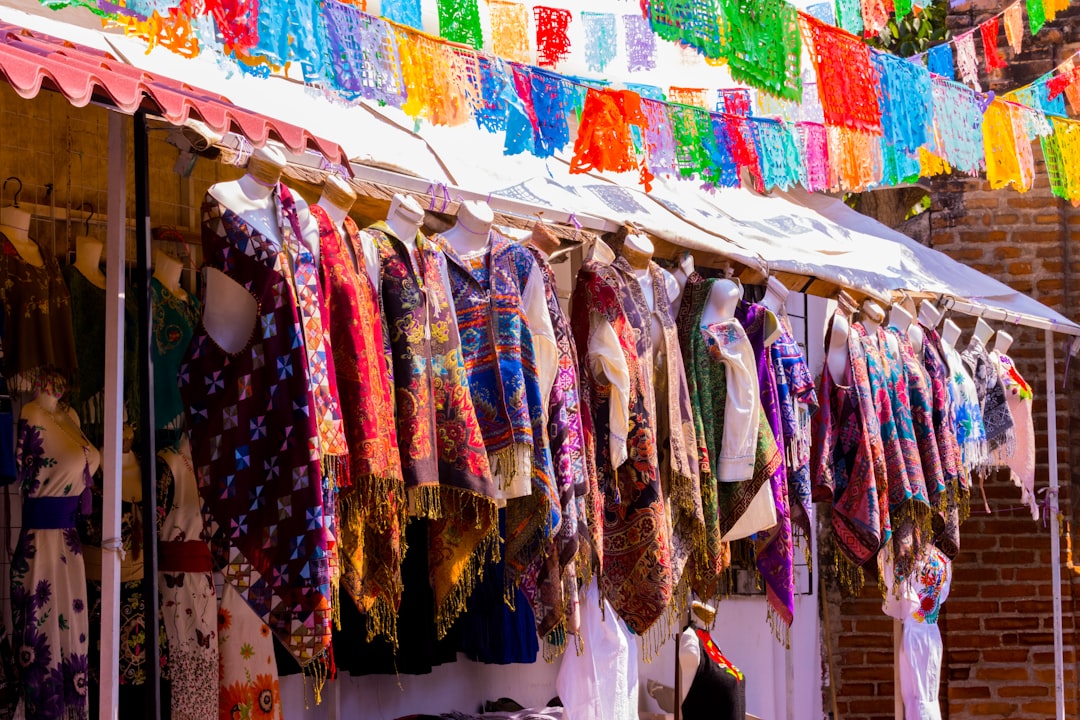
This open-air market occupies the forecourt of the Santo Domingo church and spills along the adjacent streets. It is primarily a craft and textile market — Tzotzil weavings, amber jewellery, embroidered blouses — but food vendors are also present.
Look for: women selling small bundles of dried chipilín, fresh queso de bola (a regional cheese moulded into balls), and handmade sugar-cane sweets (ponche candies, tamarind lollipops). These are not easily found elsewhere in the city.
Coffee
San Cristóbal has a genuine coffee culture, fed by the highland Chiapas growing regions (particularly the cooperative farms around Ocosingo and Tenejapa). The city has more serious coffee shops per block than almost anywhere in Mexico outside Mexico City.
Cafeología (Real de Guadalupe 15B) — bright, third-wave café with single-origin Chiapas beans and pour-over options. The staff can explain the growing region and cooperative behind each coffee. Filter and espresso from MXN 40–70.
El Horno (Insurgentes 9) — attached to a bakery, popular with locals and travellers alike. Good for breakfast (fresh pan dulce, croissants, and coffee). MXN 35–60 per drink.
Café Bar Revolución (20 de Noviembre 11) — local institution with a relaxed atmosphere, books for sale, and a good range of regional coffees. Live music some evenings.
Why so much French influence? Several hundred French colonists arrived in Chiapas in the 1840s–1860s, settling in what became the Soconusco region. Their baking traditions — pan de yema, baguette-style breads, and pastries — merged with local ingredients and remain visible in the breadmaking traditions of the region and in the croissant-and-coffee café culture of San Cristóbal.
Restaurants
Budget (MXN 60–120 per person)
- Cocinas comunitarias around Mercado Municipal — the most authentic and cheapest option for a full meal, MXN 70–100 for a set lunch.
- Los Girasoles (Real de Guadalupe 11) — vegetarian and vegan options, set menu at lunch.
- Restaurant La Paloma (Hidalgo 3) — reliable comida corrida (set lunch menu) with regional dishes.
Mid-range (MXN 150–300 per person)
- La Casa del Pan Papalotl (Dr. Navarro 10) — a vegetarian-focused restaurant attached to a small ecological centre. The menu changes daily and uses locally sourced Chiapanecan ingredients. Known for excellent bread (baked on premises), sopa de pan, and herb-rich soups. Closes by 19:00.
- Restaurante El Fogón de Jovel (16 de Septiembre 11) — the most reliable traditional Chiapanecan kitchen in the city. Order the cochito or the mole; avoid the tourist-menu version and ask for the platos de la región. Set lunch MXN 120–160, à la carte MXN 180–280.
- TierrAdentro (Real de Guadalupe 20) — good sopa de pan and a wine list.
Higher end (MXN 300+ per person)
- El Secreto (Real de Guadalupe 60) — creative Chiapanecan cuisine in a candlelit setting, popular for evening dining.
- Na Bolom museum restaurant (Vicente Guerrero 33) — set menu in the courtyard of the historic Dominican convent-turned-museum. The food is secondary to the setting, but the experience is unusual and worth it once.
Drinks
Posh — a traditional sugarcane or maize distillate produced by Tzotzil communities, considered sacred in the context of religious ceremonies (a version appears in the Chamula church rituals). Artisanal posh has been commercialised and is now available in a range of qualities at mezcalerías and craft spirits shops in the centro. It is lighter and less smoky than Oaxacan mezcal, with a gentle sweetness. MXN 50–100 for a tasting pour.
Craft beer — Chiapas has a small craft brewing scene. Cervecería Constelación and Cerveza Mexa have local presence; look for Chiapas-brewed options on tap at bars along Real de Guadalupe.
Ponche — a warm fruit punch made from tejocotes, cane sugar, tamarind, guava, and cinnamon. It is the traditional holiday drink of Chiapas but appears at markets and some restaurants year-round.
Take a Guided Food Tour of San Cristóbal
San Cristóbal’s food is deeply rooted in Tzotzil and Tzeltal traditions that don’t translate well from a tourist-facing menu - a guide makes the difference between eating a competent version of sopa de pan and eating it at the kitchen that prepares it for local celebrations. Market tours that begin before 09:00 catch the chipilín tamale vendors before they sell out, introduce the cocineras section at Mercado Municipal during peak service, and explain why a pozol made with cacao from the lowlands tastes different from one made with highland-grown cacao. The coffee-and-amber combination tours are a Chiapas-specific format worth adding to a food-focused day, combining specialty coffee tastings at highland cooperative roasters with a visit to an amber workshop - an unusual pairing that works well in this city. Browse food and cultural tours in San Cristóbal for current options.
Practical notes
-
Market eating is best from 07:00–14:00; most comedores close by 16:00.
-
The highland altitude means your body processes food and alcohol differently than at sea level; be moderate with both on the first day.
-
San Cristóbal is significantly cheaper for food than Oaxaca or Mexico City. A full day of eating — market breakfast, comedor lunch, street snacks, and a restaurant dinner — rarely exceeds MXN 300–400 per person.
-
Cash is universal in markets and comedores; most restaurants along Real de Guadalupe now accept cards.
-
Chiapas tap water is not safe to drink. Use purified water for everything, including rinsing fruit.
Plan your trip: food and cultural tours in San Cristóbal · travel insurance for Mexico · Mexico eSIM.