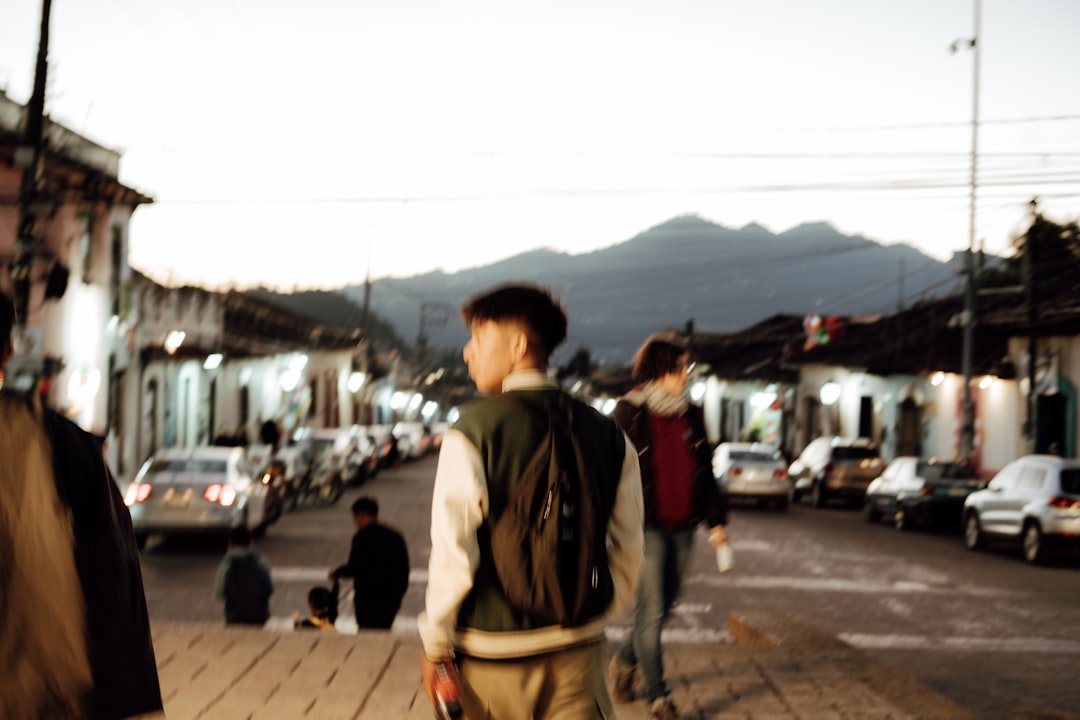
San Cristóbal de las Casas sits in a highland valley at 2,200 m in the state of Chiapas, about 80 km from the Guatemalan border. The historic centre is compact and entirely walkable; almost every sight, restaurant, and market within the colonial grid is reachable on foot in under 15 minutes from the Zócalo. Getting around to surrounding villages, canyons, and ruins requires colectivos, shared vans, or OCC buses — all cheap and well-organised by Mexican standards.
Top Tours for Exploring San Cristóbal
| Tour | Duration | Price (from) | Group Size | Highlights |
|---|---|---|---|---|
| San Cristóbal City Walking Tour | 2.5 hrs | from $25 | Up to 15 | Real de Guadalupe, Na Bolom museum, artisan markets |
| Chamula & Zinacantán Village Day Trip | 4 hrs | from $30 | Up to 15 | Tzotzil ceremonies, textile weaving, local customs |
| Sumidero Canyon Boat Tour | Full day | from $55 | Up to 20 | Dramatic canyon walls, crocodiles, waterfall stops |
| Bike Tour: San Cristóbal to El Arcotete | 4 hrs | from $35 | Up to 12 | Pine forest, natural arch, cenote, cycling downhill |
Browse all San Cristóbal tours → GetYourGuide
Walking the centro
The pedestrian spine of San Cristóbal runs along Real de Guadalupe (east from the Zócalo toward Guadalupe church) and Diego de Mazariegos (west). Both are partially or fully closed to traffic and lined with craft shops, coffee houses, and restaurants.
Key distances from the Plaza 31 de Marzo (the main square):
- Mercado Municipal: 6 min walk
- Templo de Santo Domingo: 8 min walk
- Mercado de Santo Domingo (textile and craft market): immediately outside Santo Domingo
- Guadalupe church (hilltop views): 15 min walk uphill
- Na Bolom cultural centre: 12 min walk
The centro is paved in colonial-era cobblestones that are uneven and occasionally steep toward the hillside churches. Comfortable walking shoes are more important here than in most Mexican cities.
Altitude note: San Cristóbal at 2,200 m is noticeably cooler than coastal Mexico (average 15–18°C year-round, dropping to 5–10°C at night). The altitude can cause mild breathlessness for the first day, especially during uphill walks to the hilltop churches. Pace yourself and drink water.
Colectivos to indigenous villages
The most important transport decision in San Cristóbal is knowing how to reach the surrounding Tzotzil and Tzeltal villages — Chamula, Zinacantán, Amatenango, and others. Colectivos (shared minivans) are the standard option.
Colectivos to Chamula and Zinacantán depart from the market area near the Mercado Municipal, on Calle Honduras or Utrilla. They leave when full (every 15–20 min during daytime). Both villages are 8–12 km from the centro.
| Village | Fare | Journey | Note |
|---|---|---|---|
| San Juan Chamula | MXN 20–25 each way | 20 min | No photography inside the church |
| Zinacantán | MXN 20–25 each way | 20 min | Textile workshops open to visitors |
| Amatenango del Valle (pottery) | MXN 30–40 each way | 45 min | Women potters fire clay in outdoor kilns |
| Tenejapa (Tzeltal village) | MXN 30–35 each way | 50 min | Thursday market is the main draw |
For Chamula and Zinacantán, many travellers visit both in a half-day by taking a colectivo to one, walking between them (25-minute walk through agricultural land), and returning from the other. You can also combine them on a guided tour, which adds historical context to the religious syncretism of the churches.
Do not enter Chamula church without permission. Photography inside is forbidden and enforced by community police. Outside photography is generally tolerated but ask first and respect refusals.
Colectivos and combis to day-trip destinations
For longer day trips from San Cristóbal:
Cañón del Sumidero — colectivos to Chiapa de Corzo (the launch point for canyon boat tours) depart from near the OCC terminal. Journey time approximately 1 hour, cost MXN 40–50. From Chiapa de Corzo, boat tours run MXN 200–250 per person.
Agua Azul and Misol-Há waterfalls — no direct colectivo service; tours and shared transport leave from near the ADO/OCC terminal. Expect to pay MXN 200–350 per person for a combined transfer-and-entry day trip. Independent travel is possible by taking the Palenque bus and asking to be let off at the turnoff, then negotiating local transport.
Lagunas de Montebello — shared transport departs from the second-class terminal. The journey to the lake area takes 2–2.5 hours each way.
Buses to Palenque, Tuxtla, and beyond
OCC and ADO terminal — Calle Insurgentes (the main road at the west edge of the centro, about 1 km from the Zócalo). This is the departure point for first-class intercity buses.
| Route | Operator | Approx fare | Journey time |
|---|---|---|---|
| San Cristóbal → Palenque | OCC / ADO | MXN 200–260 | 5 h |
| San Cristóbal → Tuxtla Gutiérrez | OCC | MXN 80–120 | 1.5 h |
| San Cristóbal → Oaxaca City | OCC | MXN 400–550 | 11–12 h (overnight) |
| San Cristóbal → Mexico City | ADO | MXN 800–1,200 | 14–15 h (overnight) |
| San Cristóbal → Mérida | OCC | MXN 550–700 | 10 h (overnight) |
For Palenque, the 05:00 or 06:00 first bus gets you to the ruins before the midday heat sets in — Palenque in the jungle is significantly hotter than highland San Cristóbal, often 30°C+ by early afternoon.
Second-class terminal (near Mercado Municipal) — handles shorter routes and destinations served by local operators: Comitán, Las Margaritas (gateway to Lagunas de Montebello), and cross-border routes to Guatemala.
Taxis
Taxis are available throughout the centro and are generally affordable. Fixed rates are common; agree before you get in.
Typical fare ranges (as of 2026):
- Within the centro: MXN 30–50
- Centro to OCC bus terminal: MXN 40–60
- Centro to Aeropuerto de Chiapa (San Cristóbal has no commercial airport): N/A
Getting to and from San Cristóbal by air: The nearest commercial airport is Ángel Albino Corzo International Airport in Tuxtla Gutiérrez (TGZ), about 75 km and 1.5 hours away by road. Shared airport transfers (OCC and local operators) connect Tuxtla airport to San Cristóbal for approximately MXN 200–300 per person. Private transfers cost MXN 500–700.
Alternatively, VivaAerobus and Aeromar serve Tuxtla Gutiérrez with connections from Mexico City. Flying into Tuxtla and taking the transfer to San Cristóbal adds about 2 hours to your journey but is far more convenient than overland travel from Mexico City (14+ hours by bus).
Tuktuk and pedicab
Three-wheeled tuktuks (electric rickshaws) operate in San Cristóbal and are popular for short trips, particularly for tourists who want to avoid cobblestone climbs with luggage. They cover routes around the centro and to the bus terminal. Fares are typically MXN 20–40 for a short hop.
They are not suitable for longer distances or road trips outside the city.
Car hire
San Cristóbal has a small number of rental agencies, though availability is limited compared to larger cities. Renting a car is useful for:
- Self-guided routes to Montebello Lakes (2.5 h each way)
- Exploring remote Tzeltal communities in the highlands
- Combining Chamula, Zinacantán, and Amatenango in a single day without colectivo logistics
Roads in the Chiapas highlands are mostly paved but can be narrow, winding, and occasionally unmarked. A 4x4 or high-clearance vehicle is advisable for the wet season (June–October) if heading off main routes.
Fuel is readily available in San Cristóbal; less so in remote communities.
Practical notes
- Carry small change (MXN 10 and 20 coins) for colectivos — drivers rarely have exact change for MXN 100+ bills.
- Colectivo drivers expect you to squeeze in; personal space norms are different from European or North American expectations. A standard van takes 10–12 passengers.
- The city’s altitude means rainy afternoon weather can appear quickly even in the dry season. A rain layer is useful year-round.
- Night buses to Oaxaca and Mexico City are reliable and comfortable at the first-class level; book OCC or ADO (not cheaper alternatives) for overnight journeys.
Search hotels in San Cristóbal de las Casas on Booking.com
- If you are travelling onward to Guatemala, shared shuttle services run from San Cristóbal to Quetzaltenango or Antigua, typically departing at 07:00. These can be booked through tour agencies on Real de Guadalupe for approximately MXN 400–600 (USD 20–30).